2026 Best CNC Machine Buyer Guide and Top Recommendations?
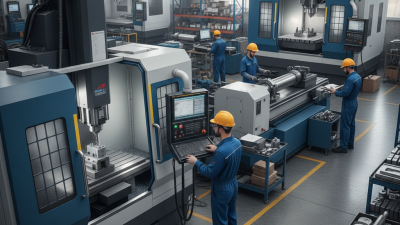
In today's manufacturing landscape, the CNC machine plays a vital role. These machines revolutionize how projects are executed. They bring precision and efficiency to various industries, from aerospace to woodworking. With the continuous advancement in technology, selecting the right CNC machine requires substantial knowledge.
The 2026 Best CNC Machine Buyer Guide aims to clarify this complex process. It addresses key aspects to consider when purchasing a CNC machine. Factors such as material compatibility, software integration, and overall machine durability are critical. Additionally, understanding the nuances of different models can aid in making an informed decision.
This guide also offers top recommendations based on expert reviews and user experiences. Readers may reflect on their specific needs and how these machines fit into their workflow. With numerous options available, the journey to finding the ideal CNC machine can be daunting yet rewarding.
Understanding CNC Machines: Types and Functions Explained
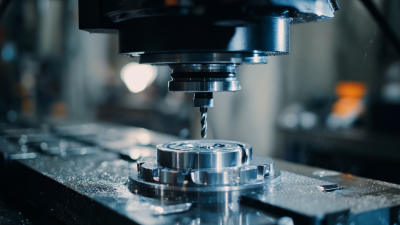
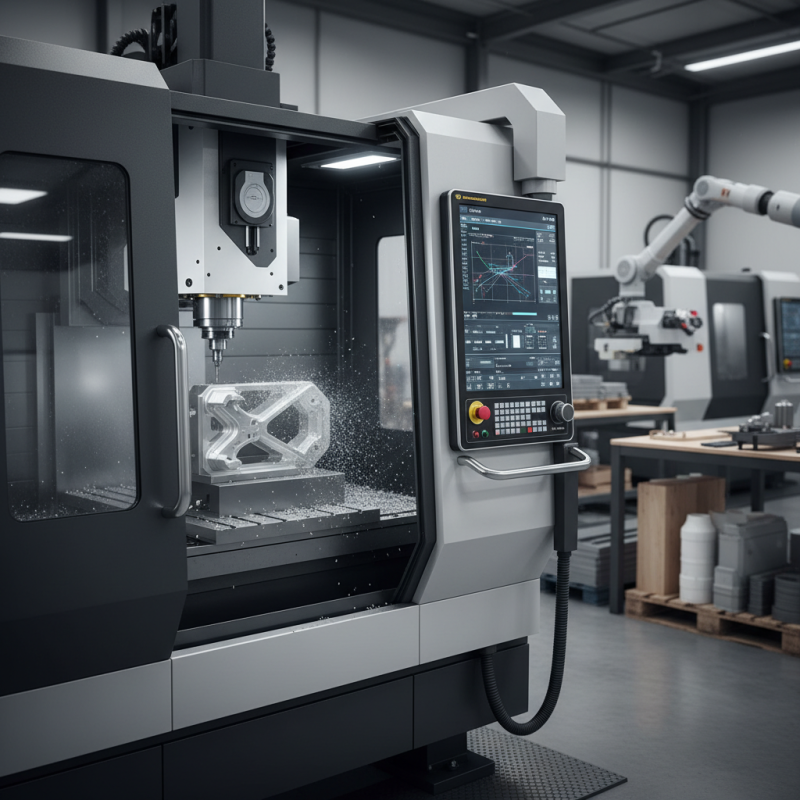
CNC machines are integral to modern manufacturing. They automate tasks that traditionally required manual labor. Various types exist, each serving unique functions. For instance, milling machines cut material into specific shapes. They excel in precision and speed.
Laser cutters offer an alternative. They use focused light to slice through materials. Their advantage lies in creating intricate designs without physical contact. This minimizes wear and tear on tools. However, precision laser cutting requires careful setup. Improper settings can lead to poor-quality outputs.
Plasma cutters are another option. They are known for handling thick metals. While faster than laser devices, they can produce a rough edge. Users must frequently calibrate these machines for optimal results. The right CNC machine depends on your specific needs and budget. Taking time to assess these factors is crucial.
2026 Best CNC Machine Buyer Guide: CNC Machine Types and Functions
Key Features to Consider When Buying a CNC Machine
When purchasing a CNC machine, several key features can significantly impact your decision. First, consider the machine’s size and workspace. A larger workspace allows for bigger projects, but it also requires more floor space. If the workspace is too small for your needs, you may find yourself limited in your capabilities.
Next, look at the machine's precision and repeatability. These metrics define how accurately the CNC machine can produce parts. Precision is crucial for detailed work. If a machine consistently produces parts with slight variations, it can lead to costly errors.
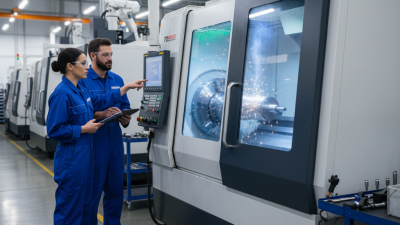
Another important consideration is the software compatibility. Ensure the CNC machine can work with the CAD/CAM software you use. If the software doesn’t integrate well, it can lead to frustration and limited functionality. Evaluate the learning curve as well. Some machines come with user-friendly interfaces, while others may require extensive training to utilize effectively.
Always remember that your specific needs dictate these features; blindly following trends can lead to poor choices. Think critically about what you really need from a CNC machine. Prioritizing features that match your projects will lead to greater satisfaction.
Top CNC Machine Brands and Models Reviewed for 2026
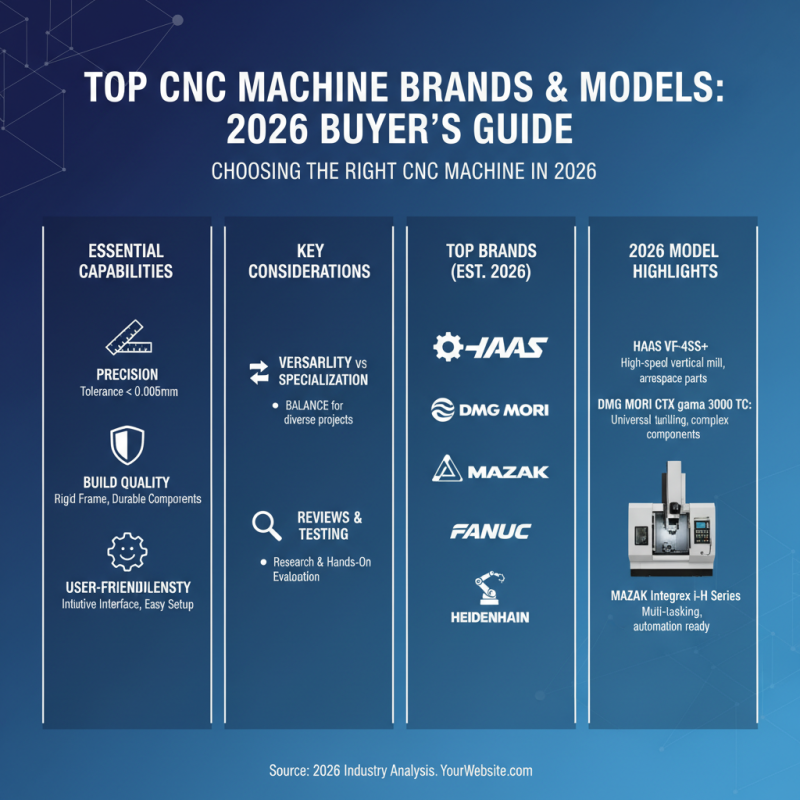
Choosing the right CNC machine in 2026 can be overwhelming. The market offers various brands and models, each with its unique features. Focus on essential capabilities like precision, build quality, and user-friendliness. Look for machines that provide a balance between versatility and specialization. Reviews can guide you, but personal testing is crucial.
Performance varies widely across models. Some machines excel in speed, while others shine in detail. Pay attention to power consumption and maintenance needs. A reliable machine can lower operational costs over time. Always verify the reputation of the manufacturer.
Tips for buyers: Check for customer support options. Good technical assistance can save you from potential headaches. Consider joining online forums or communities. These spaces are rich with practical experiences and insights. Lastly, be critical when reading reviews. Look for signs of bias. Authentic feedback is key to making an informed purchase.
Budgeting for Your CNC Machine: Cost and Financing Options
When budgeting for your CNC machine, it's essential to account for both the purchase price and additional costs. CNC machines vary widely in price. Basic models may start around a few thousand dollars, while advanced systems can exceed tens of thousands. Understanding what you need is vital. Assess your project requirements and future production goals.
Financing options can significantly ease the burden. Options include loans, leasing, and payment plans. Each choice has pros and cons. Leasing often has lower upfront costs, but total expenses can be higher over time. You'll want to compare interest rates and terms. Keep in mind that additional expenses, such as maintenance and software, can accumulate quickly.
Consider potential returns on investment. Will this machine enhance productivity? Can it help you take on more clients? Evaluating these factors can guide your decision. Remember, investing in a CNC machine is not just a purchase; it's a step toward growth. Take time to reflect on your financing strategy carefully. Balancing costs with opportunities can lead to greater success in the long run.
2026 Best CNC Machine Buyer Guide and Top Recommendations
| Machine Type |
Price Range |
Key Features |
Recommended Use |
Financing Options |
| Entry-Level CNC Router |
$1,000 - $3,000 |
Beginner-friendly, Easy setup |
Hobby projects, Woodworking |
Monthly installments, Lease-to-own |
| Mid-Range CNC Mill |
$5,000 - $15,000 |
High precision, Enhanced capabilities |
Small businesses, Metalworking |
Financing plans, Business loans |
| Industrial CNC Machine |
$20,000 - $100,000 |
Heavy-duty, Advanced automation |
Large-scale manufacturing |
Capital investment, Equipment financing |
| CNC Plasma Cutter |
$3,000 - $10,000 |
Versatile cutting, Fast operation |
Metal fabrication, Sign making |
Leasing options, Installment plans |