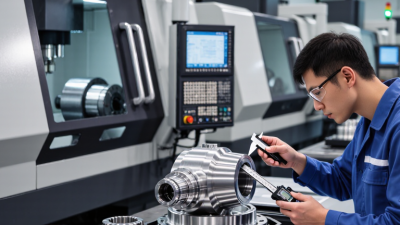
Choosing among the 2026 best CNC machining prototyping services is not just a price comparison. A prototype must answer practical questions: Does the part fit? Can the chosen material withstand the load? Will the design machine reliably? CNC machining can produce accurate parts in metals and plastics, often with useful surface finishes and functional details. But results depend on geometry, material, tolerances, inspection, and the provider’s process controls. Small details matter.
Manufacturing researcher Dr. David Dornfeld’s work emphasizes evaluating manufacturing choices through measurable outcomes and broader impacts. A fair paraphrase for prototype buyers is: “Choose a process that proves the design, not one that merely looks impressive.” That is a guiding principle for this article, not a verbatim quotation. It matters when a bright finish distracts from a misaligned hole or an unverified tolerance. Looks can deceive.
This guide compares cnc machining prototyping providers by capability, material options, engineering support, quality checks, lead time, and cost transparency. It also considers whether a shop asks useful questions before quoting, such as which dimensions control assembly and which surfaces need inspection. A low quote may exclude finishing or metrology; a fast promise may depend on design changes. Sometimes, the first cut is wrong. That is worth admitting: prototype work includes uncertainty, and a dependable service makes assumptions visible, reports issues, and supports sensible revisions. Use the comparisons to match the service to the part’s real purpose, whether that means testing fit, function, or a route toward production.

In 2026, CNC machining prototyping services help product teams evaluate real parts before committing to production. They translate CAD files into cut components using processes such as milling and turning. Designers can inspect fit, surface finish, and assembly clearances in physical form. Useful feedback arrives early.
Service providers may review geometry, flag thin walls or difficult setups, and suggest practical changes before machining. They can work with metals and engineering plastics, depending on part function, availability, and required properties. A prototype quote should clarify material grade, tolerances, quantity, finish, and inspection scope. Small details matter. Some providers also offer deburring or basic surface finishing.
A bearing seat may need tighter measurement than a cosmetic cover. Sharp internal corners can also require design changes. Clear communication about critical dimensions reduces avoidable rework, though it cannot remove every machining variation. One limitation deserves attention: prototype parts may not behave exactly like parts made through high-volume processes. Treat results as evidence, not a promise.
What CNC Machining Prototyping Services Provide in 2026
CNC prototyping services provide machined parts to drawing specifications, along with material and finishing options. This chart shows the ISO 2768-1 medium class (m) general tolerance values for linear dimensions; tighter drawing tolerances take precedence, and achievable accuracy depends on the part, material, and process.
A CNC prototype begins as a CAD model, but the first cut depends on more than geometry. An engineer checks wall thickness, tool access, material choice, and critical dimensions before preparing toolpaths. CAM software then converts those paths into machine instructions. A machinist selects the stock, secures it in a vise, and checks the setup. Cutting starts. Chips curl away as the part takes shape, while measurements help catch errors before they repeat.
The process suits parts that need realistic materials, precise features, or functional testing. A milled aluminum housing, for example, can reveal whether a connector clears a rib or a lid seats properly. Deloitte’s 2024 manufacturing industry outlook reported that 86% of surveyed executives expected smart manufacturing to drive competitiveness within five years. Digital workflows support that shift, but software cannot replace sound inspection. A prototype may still expose a flaw in the drawing—or in the assumptions behind it.
Tips: Mark the dimensions that affect fit or function. Confirm tolerances with the machining team before quoting; unnecessarily tight tolerances can add setup and inspection time. Ask how the part will be held, too. A clamp mark in the wrong place can spoil an otherwise useful test. And remember: one prototype is evidence, not proof.
For prototypes that need quick iteration, aluminum 6061-T6 is often a practical starting point. It cuts readily, accepts thin walls, and keeps part weight low. ASM Handbook property tables report tensile strength around 270–310 MPa, depending on product form and condition. That range is useful, but not a design guarantee. Check the stock specification before relying on it.
The geometry should guide the machining process. Three-axis milling suits flat brackets, pockets, and housings; turning is efficient for shafts and sleeves. Deep cavities may need longer tools, which can flex and leave visible chatter marks. The Machining Data Handbook explains that cutting conditions depend on the work material, tool, and setup. In practice, a conservative first cut can reveal vibration before it ruins a prototype. Sometimes it takes a second setup.
For wet environments or repeated handling, 304 stainless steel offers greater corrosion resistance, though machining usually takes longer than aluminum. ASM property tables place its tensile strength near 515 MPa or higher, depending on specification. POM can suit low-load clips and sliding parts; PEEK is a stronger option when heat or chemical exposure matters. Plastics can deform from clamping pressure, so use broad, soft jaws and check dimensions after the part cools. A beautiful surface finish is not always the most useful prototype feature.
| Prototype Requirement | Suitable Material | Typical Characteristics | Suitable CNC Processes | Good Fit For | Selection Notes |
|---|---|---|---|---|---|
| General-purpose metal parts with a balance of cost, strength, and machinability | Aluminum 6061-T6 | Low density (about 2.70 g/cm³); good strength-to-weight ratio; corrosion resistant in many environments; readily machined. | 3-axis or 5-axis milling; CNC turning for rotational features; drilling and tapping. | Housings, brackets, fixtures, frames, and functional engineering prototypes. | A versatile starting choice. Anodizing can improve surface protection and provide a decorative finish, but coating thickness can affect fits and dimensions. |
| Higher strength-to-weight ratio for a metal prototype | Aluminum 7075-T6 | Low density (about 2.81 g/cm³); high strength for an aluminum alloy; lower corrosion resistance than many common aluminum grades. | 3-axis or 5-axis milling; CNC turning where geometry is rotational. | Lightweight structural parts, high-load brackets, and performance-oriented prototypes. | Often costs more than 6061 and may be less suitable for corrosive environments without appropriate protection. Confirm the required temper and finish. |
| Corrosion resistance and easy availability for indoor or general-purpose use | Stainless steel 304 | Density about 8.0 g/cm³; good general corrosion resistance; tough and prone to work hardening during machining. | CNC turning; 3-axis or 5-axis milling; drilling and tapping with suitable tooling and cutting parameters. | Fluid-handling components, brackets, enclosures, and durable functional prototypes. | Use sharp tools and avoid prolonged rubbing or dwell, which can harden the surface. It is not the best choice for every chloride-rich environment. |
| Improved resistance to chloride-related corrosion | Stainless steel 316 | Density about 8.0 g/cm³; molybdenum-containing stainless steel with better resistance to many chloride environments than 304. | CNC turning; 3-axis or 5-axis milling; drilling and tapping. | Marine-adjacent hardware, chemical-processing prototypes, and components exposed to some corrosive media. | Corrosion performance depends on the specific chemical, concentration, temperature, and surface condition; validate for the intended service environment. |
| Low-cost steel prototype that can be machined and finished readily | Low-carbon steel 1018 | Density about 7.87 g/cm³; moderate strength and good weldability; generally straightforward to machine. | CNC turning; 3-axis milling; drilling, tapping, and slotting. | Fixtures, shafts, general mechanical parts, and early-stage load-bearing prototypes. | Unprotected surfaces can rust. Consider a suitable coating or plating when corrosion protection is needed. |
| High strength and heat resistance where weight is important | Titanium alloy Ti-6Al-4V | Density about 4.43 g/cm³; high strength-to-weight ratio and good corrosion resistance; more difficult to machine than aluminum. | 5-axis milling for complex forms; CNC turning for rotational parts; machining with rigid setups and appropriate tooling. | High-performance structural prototypes, medical-device development, and demanding aerospace-style components. | Higher material and machining costs are common. Heat buildup and tool wear require careful process planning; confirm the required grade and condition. |
| Fast machining of small parts with good conductivity and finish | Free-machining brass, such as C360 | Density about 8.5 g/cm³; excellent machinability and good electrical and thermal conductivity. | CNC turning; milling; drilling and tapping. | Connectors, fittings, knobs, valve components, and small precision prototypes. | Check applicable lead-content rules for the intended use. For drinking-water or other regulated applications, select a compliant lead-free alloy and verify requirements. |
| Low-friction, lightweight engineering plastic components | Acetal (POM) | Density about 1.4 g/cm³; low friction, good wear behavior, and good dimensional stability for many machined parts. | 3-axis milling; CNC turning; drilling and pocketing. | Gears, bushings, rollers, spacers, and functional prototypes with moving interfaces. | Allow for material-specific thermal expansion and part geometry. Plastic grades and properties vary; confirm chemical and temperature compatibility. |
| Engineering plastic prototype for higher-temperature or chemical-service conditions | PEEK | High-performance thermoplastic with strong heat and chemical resistance relative to common engineering plastics; density about 1.3 g/cm³. | 3-axis or 5-axis milling; CNC turning; drilling with controlled feeds and sharp tools. | Insulators, fluid-contact components, and lightweight parts for demanding service conditions. | Material cost is high. Control heat and clamping stress during machining, and verify the specific grade against the required temperature and chemical exposure. |
Process and data note: CNC milling is generally suited to prismatic features, pockets, and complex surfaces; CNC turning is suited to rotational parts such as shafts and bushings. 5-axis machining can reduce setups for complex geometry. Density values are approximate typical values; actual properties vary by grade, temper, supplier, and test method. Final tolerances, lead time, finish, and cost depend on geometry, material condition, tooling, and inspection requirements.
A useful comparison starts with your part, not a provider’s machine list. Share a clear drawing, material, target quantity, and critical dimensions. Then ask which tolerances they can hold consistently, and how they verify them. A small aluminum bracket may need different checks than a thin-walled plastic housing. Details matter.
Review the proposed process, too. Ask whether the part needs three-axis or five-axis machining, special workholding, or secondary finishing. Request a sample inspection report or a description of their measurement tools. Clarify how they handle design changes, surface finish, and material certification. Ask directly. A precise answer about a difficult feature is more useful than a broad claim about capability.
Compare lead times and quotes line by line. Check whether setup, finishing, inspection, and shipping are included. Confirm what happens if a first article misses a dimension. Still, a polished quote cannot reveal every shop-floor constraint. I would also ask what feature they would simplify to reduce cost or machining risk. That conversation can expose trade-offs early, though it may not produce a perfect design on the first try. A prototype is a test, not a promise.
Before choosing a CNC machining service in 2026, check how clearly the team reviews your design. Send a drawing or 3D model and ask which features may affect cost, fit, or machining time. A useful reply should mention specific details, such as a thin wall, a deep pocket, or a tight tolerance. Vague promises are not enough. Ask how proposed changes will be approved before production.
Material knowledge matters. Confirm the exact grade, how it will be verified, and whether the shop can provide inspection records. Ask what measurements are checked and how results are reported. For a prototype with a close-fitting bore, for example, learn whether its diameter is measured with suitable equipment. Small details matter. Also compare quoted lead times with the steps they include, such as finishing, inspection, and shipping. A low price may leave these unclear.
Communication deserves a practical test. Ask who will answer technical questions and how quickly design issues are raised. Notice whether the service explains trade-offs plainly, rather than agreeing to every request. I would also ask for feedback after the first part; it can reveal a problem that the drawing missed. That step is easy to overlook. No checklist guarantees a perfect prototype, and I might still miss a detail. But clear documentation, traceable checks, and candid discussion make a choice more dependable.