2026 Top Trends in Precision CNC Machining for Future Industries?

As industries evolve, precision CNC machining emerges as a crucial force shaping future technologies. This fabrication process focuses on accuracy and efficiency. It plays a key role in sectors such as aerospace, automotive, and medical devices. High precision holds immense significance in these fields. However, the rapid advancements bring challenges and reflections.

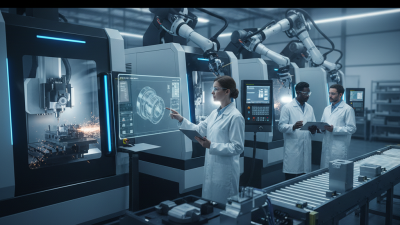
One notable trend is the integration of automation. Automated CNC machines increase productivity and reduce human errors. Yet, reliance on automation raises concerns about job displacement. Additionally, the demand for complex geometries is on the rise. Precision CNC machining faces pressure to adapt and innovate continuously. This evolution must also consider sustainable practices.

While these trends highlight progress, they also demand careful scrutiny. Can the industry balance innovation with ethical considerations? Ensuring skills development for workers remains a pressing issue. Precision CNC machining isn't just about technology; it involves people and communities. As we look forward to 2026, it is vital to reflect on these aspects. The future should embrace both advancement and responsibility.
2026 Top Trends in Precision CNC Machining for Future Industries?

Emerging Technologies Driving CNC Machining Innovations in 2026

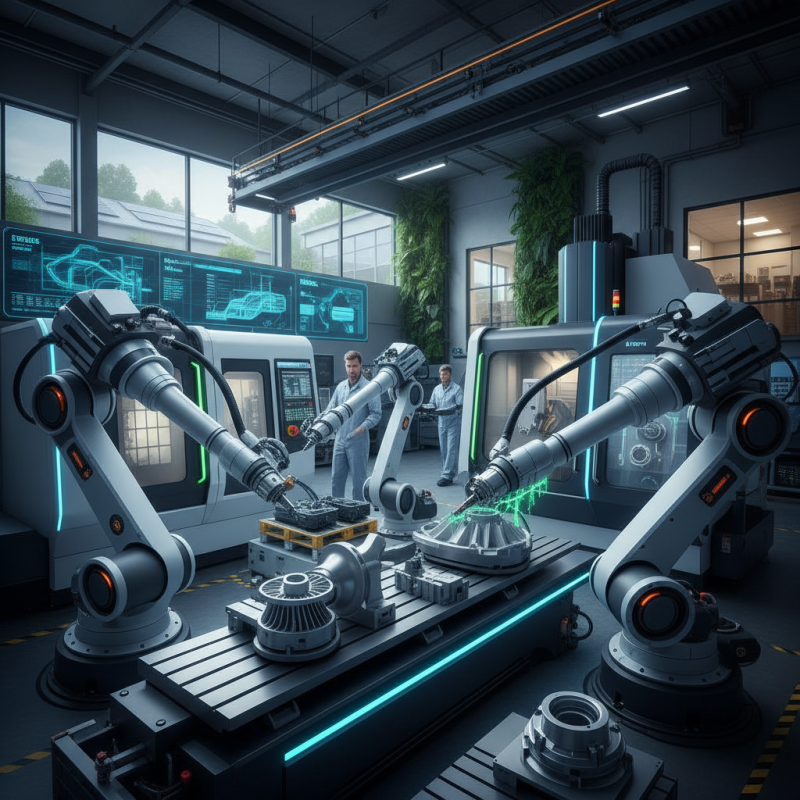
In 2026, precision CNC machining is set to evolve significantly. Emerging technologies are shaping this transformation. Innovations like AI-driven automation and IoT integration will enhance efficiency and precision. Manufacturers can expect greater accuracy in their machining processes. This shift will also reduce waste and lower operational costs.

Tips: Focus on investing in training for your workforce. Workers will need to adapt to new tools and technologies. Encourage an open mindset to embrace change. Collaborate with tech companies to stay updated.

Another exciting trend is the use of advanced materials. Industries are moving towards lighter and stronger composites. CNC machining will need to adjust to these new materials. This can lead to challenges in tool selection and programming. Keep in mind that the learning curve can be steep.

Tips: Experiment with small-scale projects first. Understand how different materials behave during machining. Document your findings for future reference. This will be invaluable as you transition to more complex tasks. Embrace the learning process, as it often reveals unexpected insights.
2026 Top Trends in Precision CNC Machining

Sustainable Practices Shaping the Future of Precision Machining

Sustainable practices in precision CNC machining are gaining traction. The growing need for eco-friendly production methods is evident. According to a recent industry report, nearly 75% of manufacturers are adopting green technologies. These efforts focus on reducing waste and energy consumption in machining processes.

One critical area is the use of recyclable materials. Reports show that about 60% of CNC machined parts can be made from recycled raw materials. This shift not only lowers material costs but also minimizes environmental impact. However, many companies struggle with the transition. Finding reliable suppliers and ensuring material quality can pose challenges.

Energy-efficient machinery is another focus. Data indicates that implementing new equipment can reduce energy usage by up to 30%. Yet, the initial investment remains a barrier for many. Businesses often hesitate. The cost can be daunting, and the return on investment isn’t always clear. The journey toward sustainability may be fraught with issues, but it is essential for future competitiveness.

Smart Manufacturing: The Role of IoT in CNC Machining Processes

2026 Top Trends in Precision CNC Machining for Future Industries?

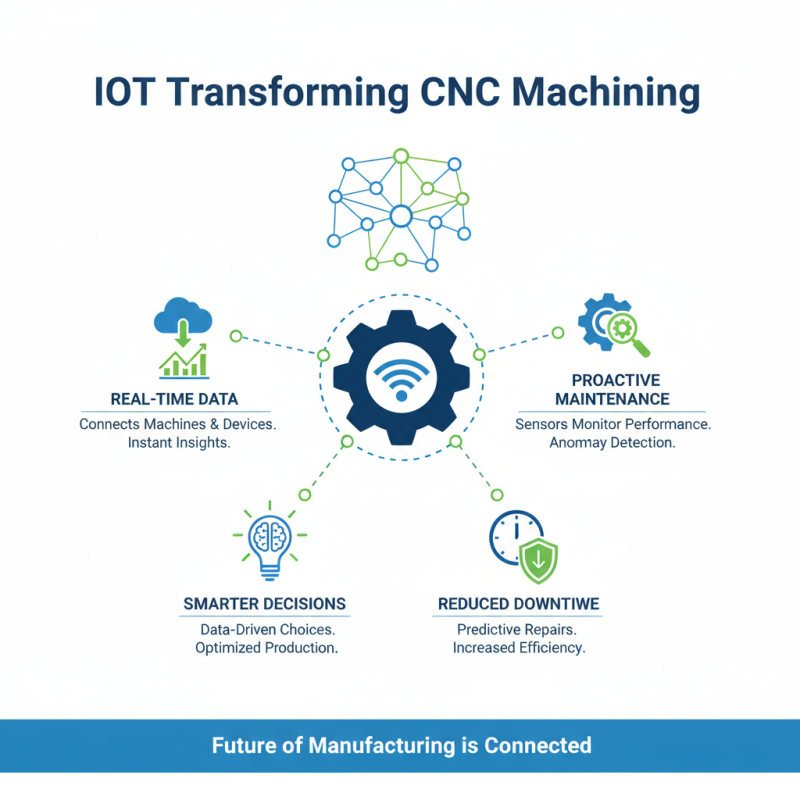
The Internet of Things (IoT) is transforming CNC machining. By connecting machines and devices, manufacturers gain real-time data. This data empowers them to make smarter decisions. IoT sensors monitor equipment performance. They detect anomalies before they lead to breakdowns. This proactive approach can significantly reduce downtime.

Smart manufacturing relies heavily on data analytics. However, not all manufacturers are ready to embrace this change. Some still cling to traditional methods. They might miss opportunities for optimization. Data integration can seem overwhelming. It requires investment in technology and training. The shift may bring uncertainty, but the potential benefits are enormous.

Incorporating IoT into CNC processes can also improve efficiency. Automation allows for rapid adjustments in production. However, hackers can target these connected systems. Cybersecurity is a concern we must address. As industries evolve, continuous adaptation is essential. Manufacturers should not overlook the importance of robust security measures while integrating new technologies.

Advanced Materials Revolutionizing CNC Machining Capabilities

2026 Top Trends in Precision CNC Machining for Future Industries?

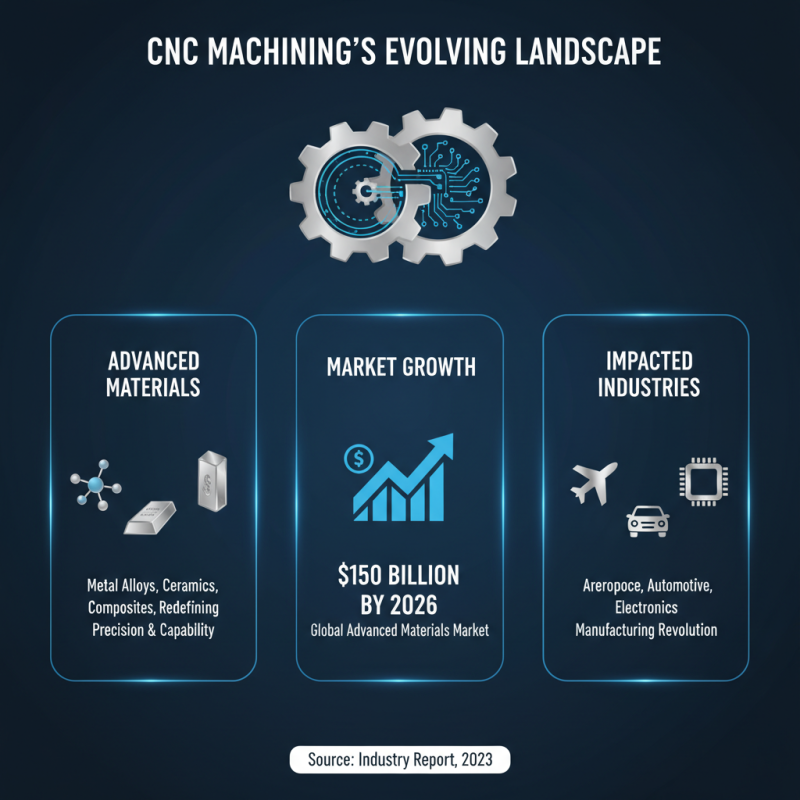
The landscape of CNC machining is set for significant transformation. Advanced materials are redefining capabilities and precision. Metal alloys, ceramics, and composites are increasingly used in manufacturing. A recent report states that the global advanced materials market is expected to reach $150 billion by 2026. This shift impacts industries like aerospace, automotive, and electronics.

High-performance materials offer better strength and durability. They enhance machining efficiency and reduce operational costs. However, integrating these materials into CNC processes isn’t straightforward. Operators may face challenges in tooling and machine calibration. The learning curve can be steep. Not all machines can handle these new materials effectively.

**Tip:** Invest in training. Equip your team with knowledge on advanced materials.

Additionally, sustainability is a key concern. Many advanced materials are eco-friendly, yet their lifecycle can pose issues. An awareness of how these materials degrade and how to recycle them is crucial for future practices.

**Tip:** Evaluate your material choices based on sustainability. This decision can affect both costs and public perception.

Embracing advanced materials requires a willingness to adapt. Organizations must rethink their approach to tooling, processes, and waste management. It's about taking calculated risks for potential long-term gains.

Workforce Development and Training for Future CNC Machining Trends

As industries continue to evolve, precision CNC machining is becoming more critical. Training the workforce is essential to keep up with emerging trends. Programs must adapt to new technologies and techniques. Future CNC machinists will need a blend of technical skills and critical thinking.

Hands-on training is crucial. Apprenticeships and on-the-job learning provide invaluable experience. However, many training programs still lack sufficient practical components. This gap can hinder skill development. It’s vital to address these issues. Emerging tools like virtual reality can enhance training experiences, offering simulations of real machining scenarios.

Collaboration between educational institutions and industries is necessary. Developing a curriculum that focuses on current market needs is essential. Yet, many schools may struggle to keep pace with technological advancements. This disconnect can lead to a workforce that is unprepared for the challenges ahead. Future training programs must emphasize adaptability to foster a more skilled, ready workforce for CNC machining.

2026 Top Trends in Precision CNC Machining for Future Industries

Trend Description Expected Impact Workforce Requirements Training Focus
Automation Integration Incorporating advanced robotics and AI to enhance machining processes. Increased efficiency and precision leading to lower operational costs. Skilled technicians for programming and maintaining automated systems. Focus on programming languages and robotics training.
Sustainable Practices Adopting eco-friendly materials and reducing waste in manufacturing. Enhanced corporate responsibility and potential cost savings from reduced waste. Awareness of sustainable practices and materials science knowledge. Training on lifecycle analysis and sustainable material selection.
Advanced Materials Use of high-performance alloys and composites in CNC machining. Improved product performance and durability. Knowledge of new material properties and machining techniques. Focused training on material science and cutting-edge machining processes.
Digital Twin Technology Creating virtual replicas of CNC machines for optimized performance. Enhanced predictive maintenance and real-time performance tracking. Expertise in simulation software and data analysis. Training on simulation technology and data interpretation skills.
Remote Monitoring Utilizing IoT for machine health monitoring and performance analytics. Increased uptime and efficiency through proactive maintenance. Technicians skilled in IoT devices and cloud platforms. Focus on IoT systems, cybersecurity, and cloud computing.
Scroll to Top