What is a Bent-axis Motor and How Does It Work?
In the realm of hydraulic systems, the Bent-axis Motor has carved out a significant position. This motor type offers high efficiency and reliability. According to industry reports, its efficiency rates can reach up to 93%. Such performance makes it a preferred choice in various applications, including construction and agriculture.
The Bent-axis Motor operates by converting hydraulic energy into mechanical energy. This conversion process involves a unique design that enables the motor to handle high pressures. Many manufacturers recommend these motors for operations requiring precise control. However, some challenges exist. For example, maintaining optimal performance can be tricky due to wear or contamination.
In conclusion, recognizing the advantages and limitations of the Bent-axis Motor is crucial. Its potential in the market is undeniable, but users should remain vigilant about its maintenance needs. A well-informed approach can lead to the most effective use of this technology.
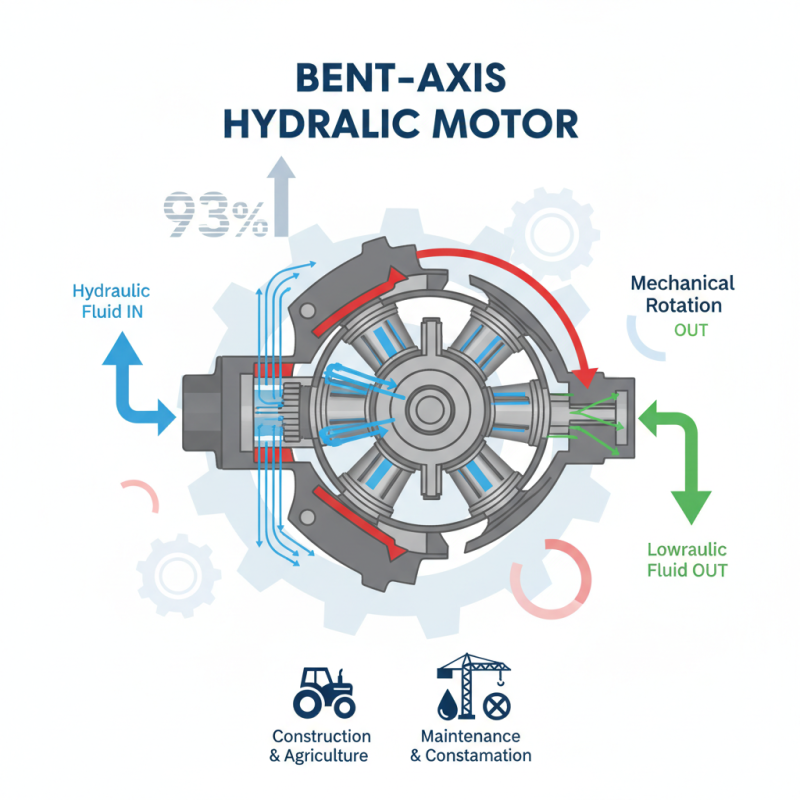
Introduction to Bent-axis Motors
Bent-axis motors are a crucial component in various hydraulic systems. These motors convert hydraulic energy into mechanical energy through their innovative design. The unique bent-axis configuration allows for higher torque and efficiency. This configuration leads to reduced wear and tear, resulting in longer service life in demanding applications.
In recent industry reports, it was indicated that bent-axis motors can achieve efficiency rates above 90%. This high efficiency reduces energy consumption, making them a popular choice in industrial applications. However, despite these benefits, some challenges exist, like their sensitivity to operating conditions. Operators must consistently monitor parameters such as pressure and temperature to maintain optimal performance.
Moreover, the manufacturing process for bent-axis motors requires precision and quality control. A small defect can significantly affect the motor's output and lifespan. As the industry evolves, future designs may need to address these reliability concerns while enhancing performance. It’s essential for engineers to continue exploring innovative materials and designs to improve overall functionality.
Bent-axis Motor Efficiency Comparison
Principle of Operation for Bent-axis Motors
Bent-axis motors are hydraulic actuators commonly used in various applications. They operate on a unique principle that sets them apart from traditional motors. The core idea is simple: a rotor is mounted at an angle to the shaft. This design enables a more efficient power transmission. When the hydraulic fluid flows in, it pushes the rotor in a rotational motion, converting hydraulic energy into mechanical energy.
Attention to the angle during assembly is crucial. A small error can lead to inefficiency or failure. Also, the quality of hydraulic fluid matters; impurities can cause wear and performance issues. Regular maintenance helps to avoid these pitfalls.
Tips:
Keep the motor clean. Regular inspections can prevent bigger problems. Don't overlook the importance of using the right hydraulic oil. It ensures smooth operation. Finally, be mindful of the motor's thermal limits. Excess heat can degrade performance over time.
Key Components of a Bent-axis Motor
A bent-axis motor is a unique design used in hydraulic systems. Understanding its key components helps clarify its operation. The first key element is the rotor. This component spins as fluid enters. The bent axis means the rotor is mounted at an angle. This angle enables efficient force conversion, maximizing output.
The second essential part is the cylinder block. It houses pistons that move in sync with the rotor. Each piston compresses hydraulic fluid, generating power. Reports indicate that proper piston design can improve efficiency by up to 20%. This efficiency decrease often results from friction and wear over time, requiring regular maintenance.
Lastly, the motor’s casing is vital for protection. It keeps the internal parts secure. A durable casing can withstand high pressures, ensuring long-term functionality. However, even the best designs sometimes face leaks or failures. Engineers continually look for ways to enhance durability while minimizing costs. Understanding these components can lead to improved designs and operations in various applications.
Advantages of Bent-axis Motor Design
A bent-axis motor is an innovative design in hydraulic systems, known for its efficiency and compact size. One key advantage is its high power-to-weight ratio. This feature makes it ideal for applications where space and weight are critical. The motor’s unique geometry allows for high torque at lower speeds, which is essential in many scenarios.
Another significant benefit is the simplified design. Bent-axis motors can reduce the number of components needed. Fewer parts mean less maintenance and lower production costs. This aspect can be a game-changer for manufacturers looking to streamline processes. Additionally, these motors tend to operate cooler, which can extend their lifespan.
However, there can be drawbacks. The bent-axis configuration may introduce complexities in hydraulic fluid management. Users often need to carefully assess compatibility with existing systems. This consideration can lead to unexpected challenges during integration. The trade-offs require in-depth analysis before choosing a bent-axis design.
Applications of Bent-axis Motors in Industries
Bent-axis motors are gaining traction in various industries due to their unique design and efficiency. These motors use a bent axis configuration, which allows for compact construction and high torque output. Industries such as aerospace and manufacturing are adopting bent-axis motors for their specific advantages. According to a report from MarketsandMarkets, the global market for hydraulic motors is expected to reach $8.9 billion by 2026, with bent-axis motors playing a significant role in this growth.
In the aerospace sector, bent-axis motors are utilized in flight control systems and landing gear actuation. Their lightweight and compact design is crucial for aircraft's efficiency. The automotive industry also benefits from these motors in hybrid and electric vehicles. This adoption is driven by the need for improved energy efficiency and reduced emissions. An International Energy Agency report highlights that electric vehicle sales are projected to rise to 145 million by 2030, increasing demand for efficient motor solutions.
However, challenges remain. The manufacturing processes for bent-axis motors can be complex and costly. Engineers need to ensure precision in the assembly to avoid inefficiencies. Moreover, while these motors are praised for their performance, they may not be suitable for all applications. Understanding the context and requirements of each industry is vital for optimal use. This ongoing assessment will shape future advancements in bent-axis motor technology.
What is a Bent-axis Motor and How Does It Work? - Applications of Bent-axis Motors in Industries
| Application Area | Key Advantages | Typical Use Cases |
| Construction Equipment | High torque density, compact design | Excavators, loaders |
| Agricultural Machinery | Efficient power transmission | Tractors, harvesters |
| Automotive Industry | Smooth operation, responsive control | Electric vehicles, hybrid systems |
| Industrial Automation | Low maintenance, high reliability | Robotics, conveyor systems |
| Aerospace | Lightweight, high performance | Flight control systems, UAVs |