Best Bellows Protection Solutions for Global Buyers?
In the world of machinery and equipment, "Bellows Protection" plays a critical role. This crucial component guards against dust, debris, and other contaminants that can damage vital parts. According to John Anderson, a leading expert in the industry, “Effective Bellows Protection extends the lifespan of machinery significantly.”
Global buyers face numerous challenges in selecting the best solutions. Not all bellows are created equal. Factors such as material, application, and environment can greatly influence effectiveness. Companies must evaluate these elements carefully. Ensuring reliable protection might seem straightforward, but it often requires deeper understanding.
Consider the intricacies of different environments. For instance, harsh industrial settings demand robust materials. Buyers must reflect on their specific needs. Choosing the wrong type may lead to costly setbacks. Ultimately, studying professional insights and user experiences is invaluable. It shapes better decisions and outcomes.
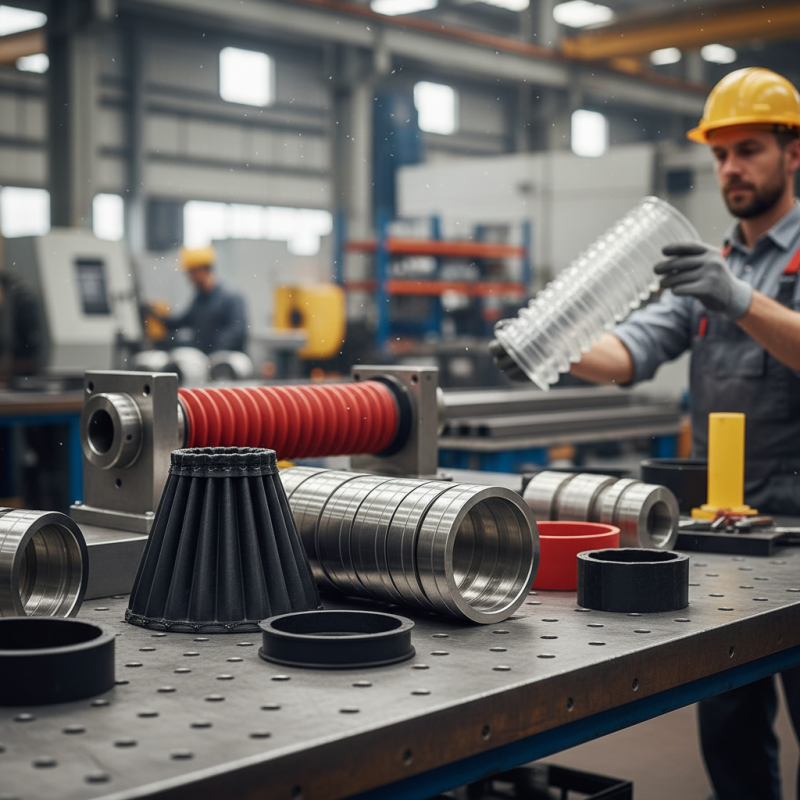
Best Materials for Bellows: A Comparison of Durability and Cost
When choosing the best materials for bellows, durability and cost are key factors. Common materials include rubber, metal, and thermoplastic. Each has unique characteristics influencing performance and longevity.
Rubber is flexible and cost-effective. It resists wear but may degrade over time under harsh conditions. Metal bellows offer strength and reliability, yet they can be more expensive and heavier. Thermoplastics provide a balance of durability and affordability.
Understanding usage scenarios is crucial. For instance, rubber might be suitable for light-duty applications. Conversely, metal is ideal for high-pressure environments. Consider also the environment: exposure to chemicals or extreme temperatures impacts material choice.
There’s no one-size-fits-all solution. Assess potential trade-offs in durability and cost carefully. Some materials may seem economical initially but could lead to higher replacement costs. It’s vital to weigh these aspects against specific needs. Regular review will help ensure ongoing performance and decision-making efficiency.
Global Market Trends in Bellows Protection Solutions for 2023
The bellows protection solutions market is evolving rapidly in 2023. Global trends indicate an increasing demand for efficient and durable bellows due to rising industrial activities. These products are essential for various applications, including machinery protection and sealing.
One key trend is the shift towards sustainable materials. Manufacturers are exploring eco-friendly options that meet performance standards. This approach reflects a growing awareness of environmental issues among consumers. A push for innovation leads to better designs. However, not all companies prioritize this shift, raising questions about reliability and performance.
**Tip**: Always assess material quality before purchasing. Look for certifications that ensure durability.
Price sensitivity is another trend. Many buyers seek cost-effective solutions without compromising quality. This can often lead to compromises. Some cheaper options may lack longevity, resulting in higher replacement costs.
**Tip**: Evaluate long-term expenses versus initial costs to make informed decisions.
Research indicates that end-users prefer suppliers who provide comprehensive after-sales support. Effective communication and prompt service build trust over time. This aspect, while often overlooked, plays a vital role in buyer satisfaction.
Key Performance Indicators for Effective Bellows Protection Systems
In the quest for effective bellows protection systems, identifying key performance indicators (KPIs) is essential. These KPIs help buyers assess the reliability and efficiency of bellows solutions. Important metrics include durability, flexibility, and resistance to environmental factors. A reliable bellows system must endure challenging conditions while maintaining its integrity.
Tips: Ensure your bellows have a high resistance to chemicals and abrasion. These features directly impact their lifespan and performance. Additionally, consider the temperature range that bellows can withstand, as this plays a significant role in their effectiveness.
Another critical indicator is the ease of installation and maintenance. Complicated setups can lead to mistakes and increase downtime. Streamlined installation processes save time and reduce the overall operational risk. Buyers should also reflect on the warranty and support offered. A robust support system is crucial for peace of mind.
Tips: Regularly review the performance of your bellows. Look for signs of wear or fatigue. Engaging in routine checks can prevent unexpected failures, enhancing overall efficiency.
Best Bellows Protection Solutions for Global Buyers
| Dimension | Material | Temperature Resistance (°C) | Pressure Resistance (bar) | Flexibility Rating | Typical Applications |
| 100 x 100 mm | Stainless Steel | -40 to 200 | 10 | High | Oil & Gas |
| 150 x 150 mm | Neoprene | -30 to 100 | 5 | Medium | Automotive |
| 200 x 200 mm | EPDM | -50 to 120 | 8 | High | Industrial |
| 250 x 250 mm | Silicone | -60 to 200 | 6 | Very High | Pharmaceuticals |
| 300 x 300 mm | PTFE | -70 to 260 | 9 | High | Chemical Processing |
Top Industries Utilizing Bellows Solutions: A Statistical Overview
Bellows protection solutions serve diverse industries, ensuring longevity and reliability in critical applications. In manufacturing, they play a vital role. Machines often operate in harsh environments. Bellows safeguard sensitive components from dirt, dust, and moisture. Statistical analyses show that around 40% of manufacturers prioritize bellows in their equipment maintenance strategies. This highlights their importance in operational efficiency.
The automotive industry heavily relies on bellows, too. They protect cables and delicate parts from wear and tear. Approximately 35% of automotive companies have reported significant improvements in part durability after implementing bellows solutions. However, challenges remain. Some manufacturers face difficulties in adapting bellows to unique design requirements.
Moreover, the aerospace sector values bellows for their precision. Statistics reveal that 50% of aerospace engineers communicate the need for custom bellows in their designs. Yet, many still struggle with cost-effective solutions. As industries evolve, the demand for reliable protection continues to grow. Balancing quality with affordability presents an ongoing challenge.
Innovations in Bellows Technology: Enhancements for Longevity and Safety
Innovations in bellows technology have reshaped how industries approach durability and safety. Modern bellows are crafted with advanced materials that resist wear and tear over time. These enhancements significantly increase the lifespan of products, providing consistent performance under varying conditions. Moreover, innovative designs cater to specific applications, ensuring a perfect fit and function between components.
The shift towards eco-friendly materials is noteworthy. Manufacturers focus on sustainability while maintaining quality. This dual approach benefits both industry and environment. However, the integration of new materials requires careful testing to ensure reliability. Some traditional methods may still prove effective, leading to ongoing debates about the best practices. This reflects the industry’s continuous improvement cycle.
Safety enhancements in bellows technology are also remarkable. Better seals and pressure tolerance reduce the risk of failure. Users must remain vigilant about maintenance practices. Even the best solutions can falter without proper care. Continued education and updates on technology will help users make informed decisions. This commitment to longevity and safety will ultimately shape the future of bellows protection solutions.