Top 10 Best Milling Machine Tools for Precision Engineering
In the field of precision engineering, the selection of milling machine tools is crucial. These tools play a vital role in shaping and crafting materials with exact specifications. The right milling machine can significantly enhance productivity and quality in manufacturing processes.
However, many engineers face challenges when choosing among various milling machine tools available today. Not all tools are created equal, and finding the best fit for specific needs requires careful consideration. Factors such as precision, durability, and ease of use must be weighed.
The integration of technology, including artificial intelligence, can assist in the selection process. Similar to the advancements seen in the upcoming Canton Fair, where AI-enabled features streamline supplier searches, engineers can benefit from improved decision-making tools. Ultimately, while the ideal milling machine tools can elevate output, the quest for precision often uncovers areas for reflection and improvement in engineering practices.
Understanding Milling Machines: Definition and Functionality
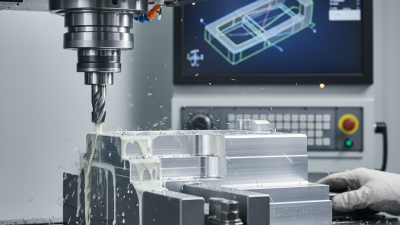
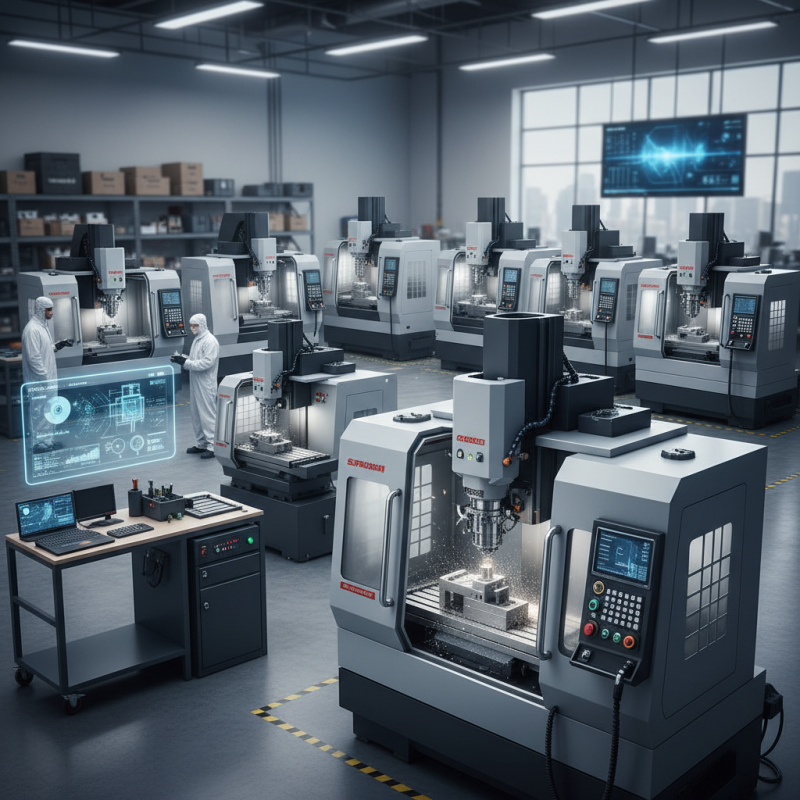
Milling machines are essential tools in precision engineering. They define the process of cutting materials like metal and wood. The machine uses rotary cutters to remove material from a workpiece. This process allows for complex shapes and precise dimensions. Operators must understand the machine’s settings for optimal results.
Setting up a milling machine requires attention. Operators should check the alignment and calibration frequently. A slight miscalibration can lead to inaccuracies. Improperly secured workpieces can result in accidents. Each adjustment should be made carefully to avoid costly errors. Safety measures are vital.
Understanding the different types of milling machines is crucial. Some are designed for specific tasks, while others are more versatile. Familiarizing oneself with these machines takes time and practice. Mistakes will happen, but each one is a learning opportunity. Embracing this journey leads to improved craftsmanship. Precision is not just a goal; it's a continuous process.
Key Features to Look for in Precision Milling Tools
When selecting precision milling tools, several key features can significantly impact performance.
Firstly, the cutting material is crucial. High-speed steel (HSS) and carbide are prominent choices. Carbide tools often provide better wear resistance and maintain sharpness longer, ideal for tricky materials. According to reports, carbide tools last up to 10 times longer than HSS tools in continuous use.
Next, consider the tool geometry. Features like the number of flutes influence the milling speed and finish quality. Tools with fewer flutes allow for more efficient chip removal, reducing heat build-up. Conversely, tools with more flutes can produce a smoother surface finish. It's also critical to look at the coatings on tools. Advanced coatings improve friction reduction and heat resistance, enhancing tool lifespan.
Another area worth reflecting on is machine compatibility. Not all tools work well with every milling machine. You must assess the specifications of your equipment. Not taking this into account can lead to inefficiencies or even damage. Furthermore, precision engineering demands consistent maintenance. A lack of care can quickly diminish tool effectiveness. It's essential to regularly inspect and replace worn tools, as their performance directly impacts product quality.
Top 10 Milling Machine Tools Reviewed for Accuracy and Efficiency
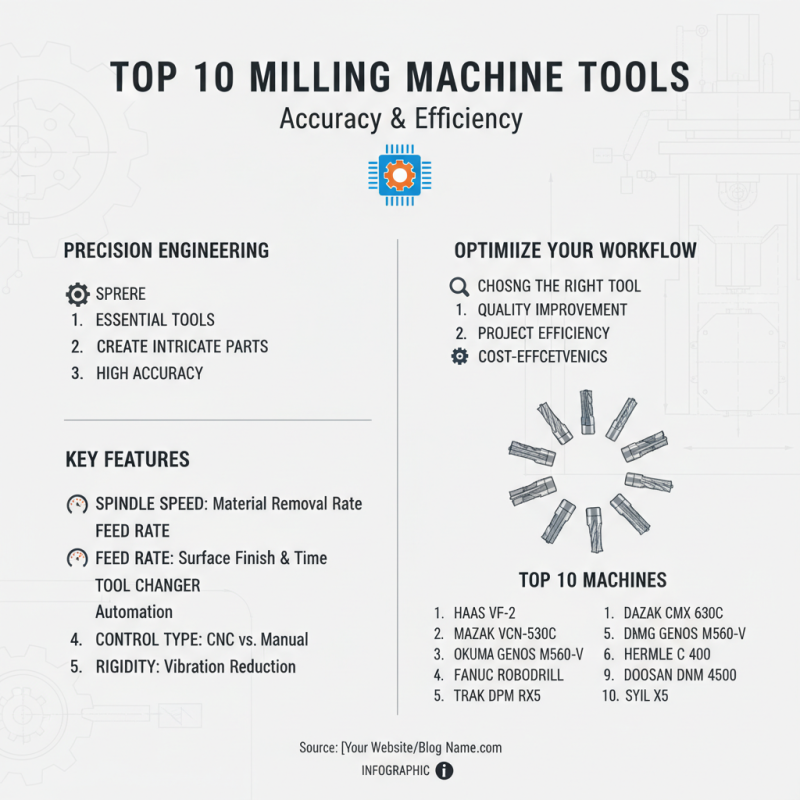
When it comes to precision engineering, milling machines are essential tools. They allow for the creation of intricate parts with high accuracy. Choosing the right milling machine tool can make a significant difference in the quality of your work. Explore different features like spindle speed and feed rate. Understand how these factors influence your milling tasks.
Every engineer knows that not all tools are created equal. Some models may excel in one area but fall short in another. Consider the size of the workspace and the type of materials you'll use. Balancing efficiency with precision can be challenging. Sometimes, the perfect tool might just be out of reach, making the process feel frustrating. Innovation in tool design is ongoing, yet many older models still prove reliable.
In the quest for perfect accuracy, it’s easy to overlook essential details. Tool maintenance is just as crucial as the tool itself. Regular checks can save you from unexpected breakdowns. Moreover, operators need to be trained adequately. Cutting corners on training can result in errors, which can be costly. Pay attention to how each tool reacts under different conditions; reflection can lead to better outcomes.
Comparative Analysis of Milling Machine Brands and Models
When considering milling machine tools for precision engineering, a comparative analysis reveals stark contrasts across various brands and models. Utilizing industry reports, it's clear that nearly 65% of professionals prioritize accuracy and reliability. Machines with a tolerance of ±0.01 mm are becoming the standard for high-precision tasks. However, many brands still fall short, often leading to inconsistencies in production output.
Not all machines are created equal. Some offer advanced features like automated feed rates while others still rely on manual adjustments. Recent data indicates that 40% of users express dissatisfaction with the lack of innovation in certain models. Performance can vary significantly, with some machines experiencing repeated calibration issues. This discrepancy often causes frustration among engineers who seek flawless results in their projects.
A deeper examination of user reviews shows that while numerous models boast impressive specifications, real-world performance doesn't always match claims. In one survey, 30% of users reported unexpected downtime, highlighting a critical need for better service and maintenance. Precision engineering demands the best tools, yet the market still presents various challenges that professionals must navigate carefully.
Top 10 Best Milling Machine Tools for Precision Engineering
| Model |
Max Speed (RPM) |
Power (HP) |
Table Size (mm) |
Weight (kg) |
Price ($) |
| Milling Tool A |
3000 |
5 |
1200 x 600 |
800 |
2,500 |
| Milling Tool B |
4000 |
7 |
1500 x 800 |
950 |
3,200 |
| Milling Tool C |
3500 |
6 |
1300 x 700 |
850 |
2,800 |
| Milling Tool D |
3200 |
4.5 |
1400 x 750 |
900 |
2,400 |
| Milling Tool E |
5000 |
8 |
1600 x 900 |
1100 |
4,000 |
| Milling Tool F |
2900 |
5.5 |
1250 x 650 |
830 |
2,600 |
| Milling Tool G |
4600 |
7.5 |
1550 x 850 |
980 |
3,500 |
| Milling Tool H |
3800 |
6 |
1350 x 700 |
870 |
2,900 |
| Milling Tool I |
4300 |
8.5 |
1650 x 920 |
1150 |
4,200 |
| Milling Tool J |
3500 |
5 |
1400 x 700 |
910 |
2,700 |
Maintenance Tips for Longevity and Performance in Milling Tools
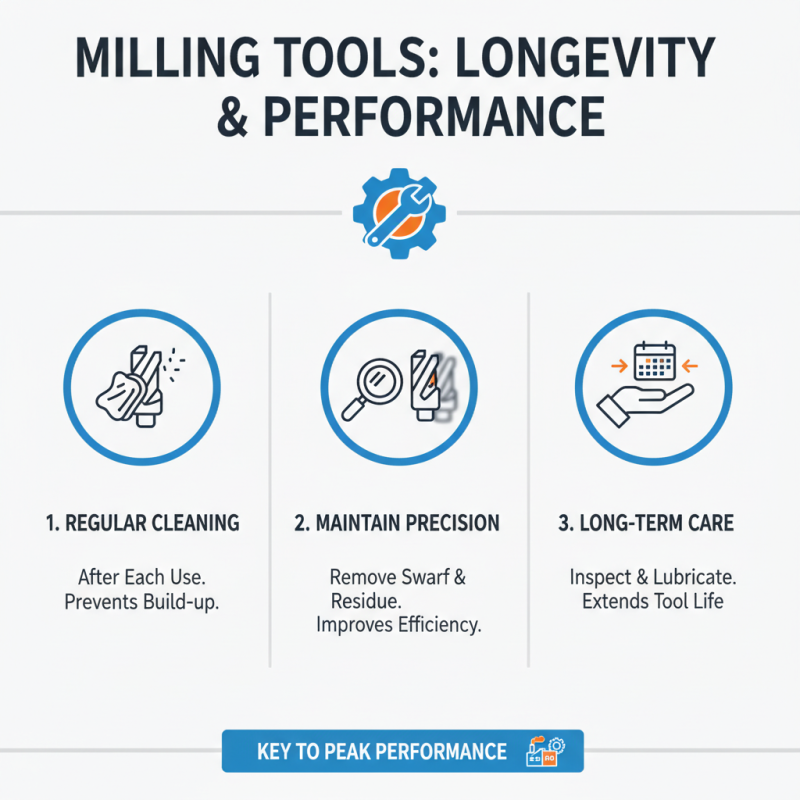
Proper maintenance of milling tools is crucial for longevity and performance. Regular cleaning after each use can prevent harmful build-up. Debris can hinder precision and overall efficiency. Whether it's metal shavings or coolant residues, a simple wipe down goes a long way.
Furthermore, ensure that tools are properly calibrated and aligned. Misalignment can lead to awkward cuts and extra wear. Regular checks for wear on cutting edges are necessary. Small chips or dullness can compromise quality and lead to deeper issues. Sometimes, it's easy to overlook these details, but they make a significant difference.
Lastly, consider the environment where tools are stored. Humidity and temperature fluctuations can affect metal integrity. A stable, dry place is ideal. However, even the best conditions cannot prevent wear completely. It's essential to keep spare tools handy. Even with diligent care, unexpected failures can occur.