As the demand for precision manufacturing continues to rise, the importance of selecting the right CNC turning center has become paramount for businesses aiming to enhance productivity and maintain competitive advantage. According to a recent report by Market Insights, the CNC turning center market is projected to reach $5.7 billion by 2025, with a compound annual growth rate (CAGR) of 6.3%. This growth is driven by increasing automation in manufacturing processes and the need for high-quality production with minimal waste.
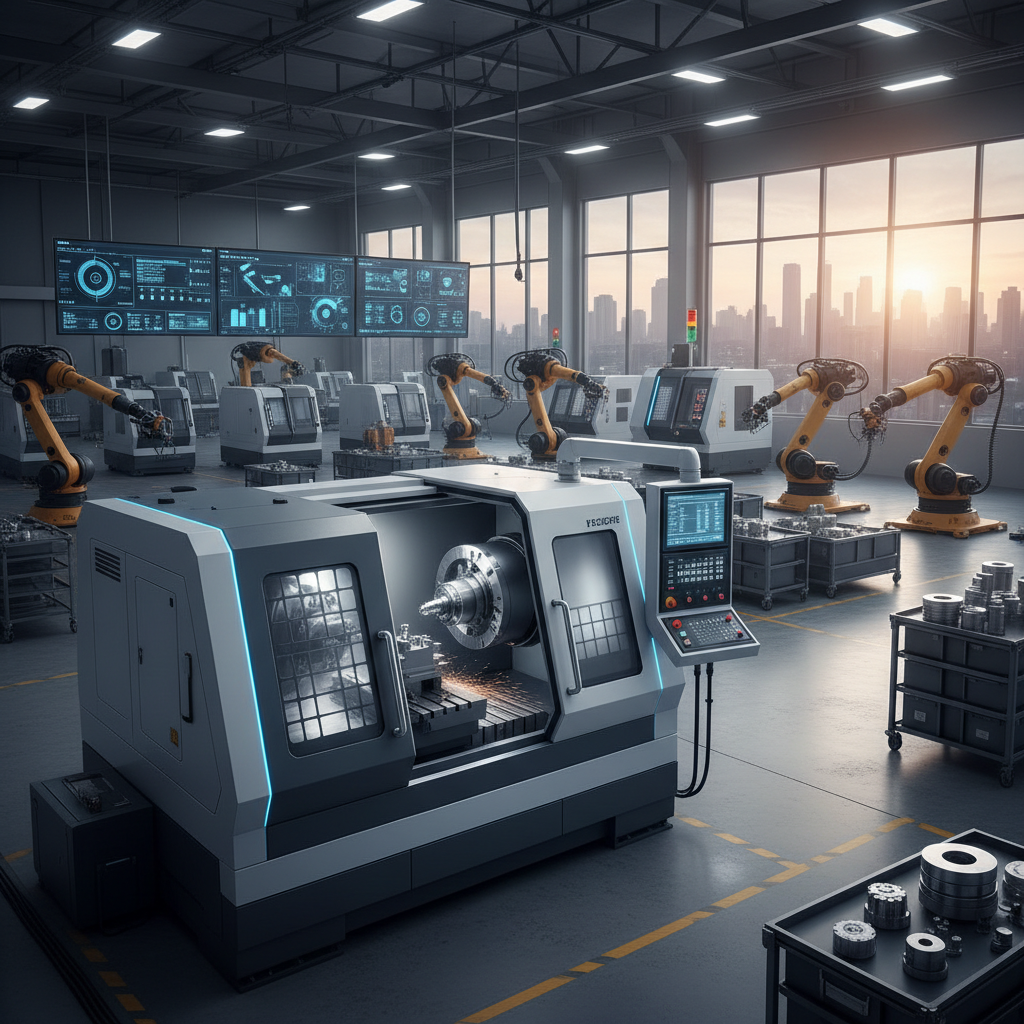
Industry expert Dr. Jane Smith, a renowned figure in CNC machining, emphasizes, "Choosing the best CNC turning center isn't just about specifications; it’s about understanding your unique machining needs and aligning them with technology that offers both flexibility and precision." This perspective is crucial as businesses face varied manufacturing environments and product requirements. Factors such as tooling options, machine stability, and software integration can significantly influence the efficiency and quality of produced parts.
In this context, selecting the ideal CNC turning center not only impacts operational efficiency but also determines the overall success of manufacturing strategies. Understanding the technological advancements and market trends will equip manufacturers to make informed decisions that align with their specific capabilities and growth objectives in the evolving landscape of CNC machining.
When choosing the best CNC turning center for your machining needs, it's crucial to focus on several key features. These features often determine the efficiency, precision, and versatility of the machine, which can directly impact production outcomes. According to industry reports, the global CNC machining market is expected to reach approximately $100 billion by 2025, highlighting the increasing reliance on these machines within various sectors.
One important factor to consider is the spindle speed and power of the CNC turning center. High spindle speeds can significantly reduce machining time and improve surface finish quality. Additionally, the ability to handle various materials—from metals to plastics—enhances the machine's applicability across different projects. Another critical aspect is the machine’s control system. Modern systems with advanced software capabilities facilitate better programming, helping to streamline operations and reduce errors.
Tips: When evaluating CNC turning centers, prioritize those with customizable tooling solutions to accommodate future machining tasks. Furthermore, consider machines equipped with automation features, as they can improve production efficiency and minimize labor costs. Always assess service support options from manufacturers to ensure quick solutions to potential issues.
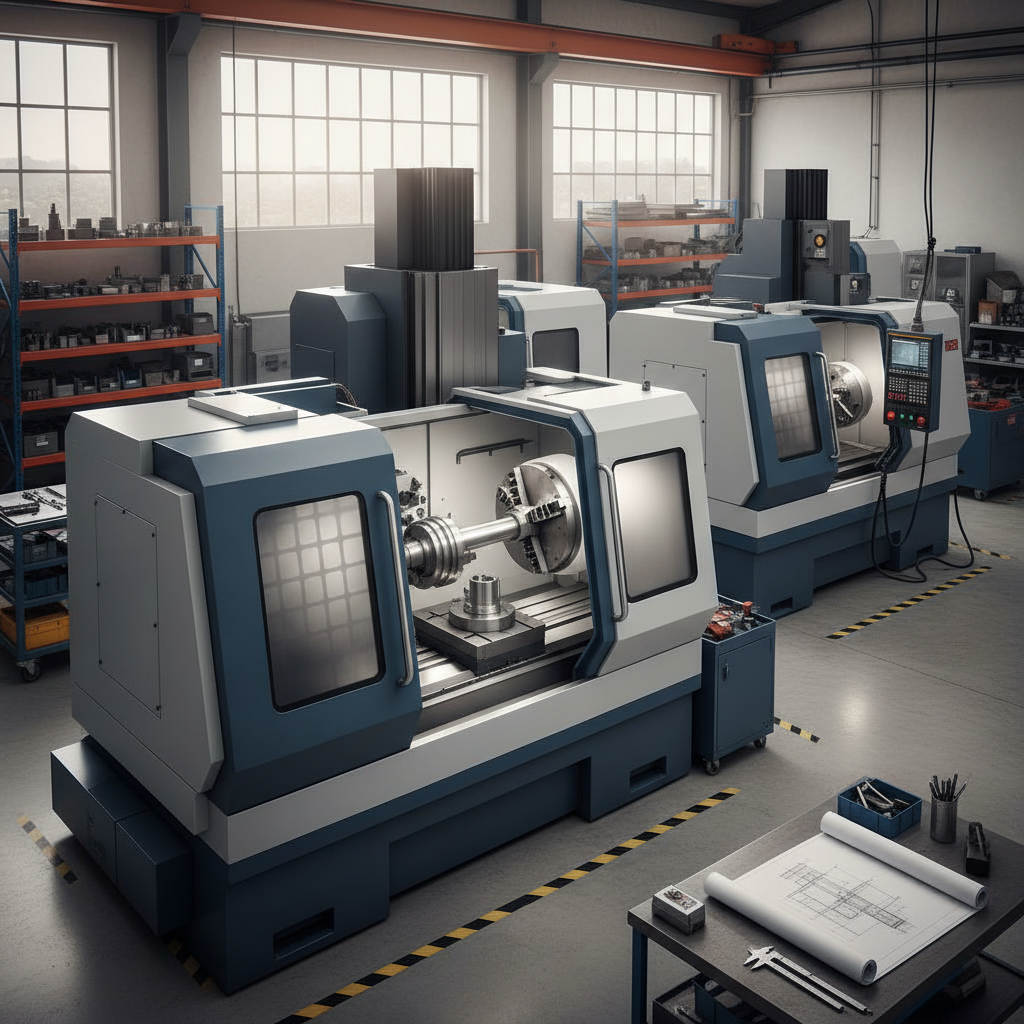
When choosing the best CNC turning center for your machining needs, it's essential to understand the different types available and their specific applications. CNC turning centers can be broadly categorized into types such as single-spindle, multi-spindle, Swiss-type, and more. Each type serves distinct purposes; for instance, single-spindle machines are ideal for small to medium batch production, while multi-spindle models excel in high-volume production due to their ability to operate multiple parts simultaneously.
In addition to the type, the material of the components being machined plays a crucial role in determining the suitable CNC turning center. Advanced machines may also integrate features such as automatic tool changers and measuring systems to enhance efficiency and precision. As the CNC market continues to grow—projected to increase significantly in the coming years—it is vital for manufacturers to evaluate their unique production requirements and consider how incorporating a CNC turning center can optimize their operations while meeting industry standards.
| CNC Turning Center Type | Features | Applications | Advantages |
|---|---|---|---|
| Basic CNC Turning Center | Simple control system, single spindle | Prototype parts, small runs | Cost-effective, easy to use |
| CNC Lathes | Multiple axes, live tooling | Complex parts, high precision | High versatility, increased production speed |
| Multitasking CNC Turning Centers | Integration of milling and turning | Automotive, aerospace components | Reduced setup time, part consolidation |
| Horizontal CNC Turning Centers | Horizontal orientation, large workpieces | Heavy machining, large parts | Stability, ease of loading/unloading |
| Vertical CNC Turning Centers | Vertical orientation, easy chip removal | Turbines, large discs | Efficient chip clearance, compact design |
When choosing the best CNC turning center for your machining needs, understanding size, capacity, and performance specifications is crucial. According to a report by TechSci Research, the CNC machine market is projected to reach $100 billion by 2025, indicating a growing demand for high-performance turning centers that can handle a variety of materials and production sizes. It's essential to assess the machine's footprint to ensure it fits within your workspace while also confirming that the chuck diameter and spindle length meet your production requirements.
Tips: Always consider the size of the components you will be machining. A larger chuck diameter provides the flexibility to work with bigger parts, but you should balance this with the required precision for smaller intricate designs.
In terms of capacity, analyze the maximum spindle speed and torque. Faster spindle speeds can enhance productivity but can also lead to increased wear on tools if not managed properly. A study by Grand View Research highlighted that the ability of CNC turning centers to maintain accuracy over extended periods is vital, especially for industries requiring high tolerances like aerospace and automotive manufacturing.
Tips: Opt for machines with adaptive feed control features, as they can automatically adjust speeds for different materials, optimizing both performance and tool life.
When selecting the best CNC turning center for your machining needs, evaluating automation and software integration options is critical. According to a report from MarketsandMarkets, the CNC machine market is expected to reach $100 billion by 2025, indicating a significant shift towards advanced automation and smart technologies. Modern CNC turning centers now integrate sophisticated software to enable seamless communication between machines and operators. This integration is essential for optimizing production efficiency and reducing downtime, allowing manufacturers to respond swiftly to market demands.
Tips:
When choosing CNC machinery in 2025, it's crucial to balance cost with value. Many manufacturers face budget constraints while seeking the most efficient turning center that meets their specific machining needs. Instead of focusing solely on the initial purchase price, consider the long-term benefits of the equipment. Look for features that enhance productivity and reduce operating costs, such as energy efficiency and ease of maintenance. Investing a bit more in a higher-quality machine could save money over time by minimizing downtime and repairs.
A well-planned budget should also account for additional costs such as software, tooling, and ongoing support. It's essential to evaluate comprehensive packages that include training and customer service, ensuring that you get the most out of your investment. Always compare specifications and read reviews to identify machinery that delivers the best performance within your price range. By considering these factors, you can make an informed decision that aligns with both your financial and operational requirements in the ever-evolving landscape of CNC technology.