Why Choose a CNC Mill for Your Manufacturing Needs?
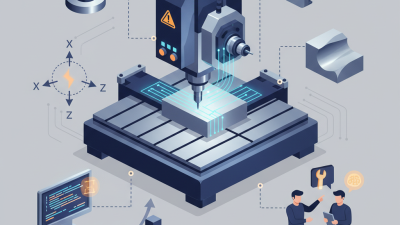
In today's competitive manufacturing landscape, efficiency and precision are paramount. The integration of technology into production processes has transformed how companies operate. A CNC mill is a vital tool in this transformation. According to a report by the National Institute of Standards and Technology (NIST), companies utilizing CNC technology experienced a 30% increase in productivity. Such advancements highlight why a CNC mill should be a cornerstone of modern manufacturing.
CNC mills automate processes, ensuring consistent quality and reducing the likelihood of human error. This automation can cut production time significantly. The American Society for Quality (ASQ) states that CNC machinery can yield a 20% reduction in waste during manufacturing. However, the initial investment in CNC mills can be high. Companies must weigh this cost against long-term benefits, particularly in highly demanding environments.
Many manufacturers still grapple with understanding the full potential of CNC mills. While some may find the transition daunting, the advantages are substantial. Investing in training can alleviate initial challenges. Embracing CNC technology can ultimately lead to a stronger competitive edge in the market. The insights from industry reports underscore that CNC mills are not just an option; they are becoming essential for success.
Benefits of CNC Milling Machines in Precision Manufacturing
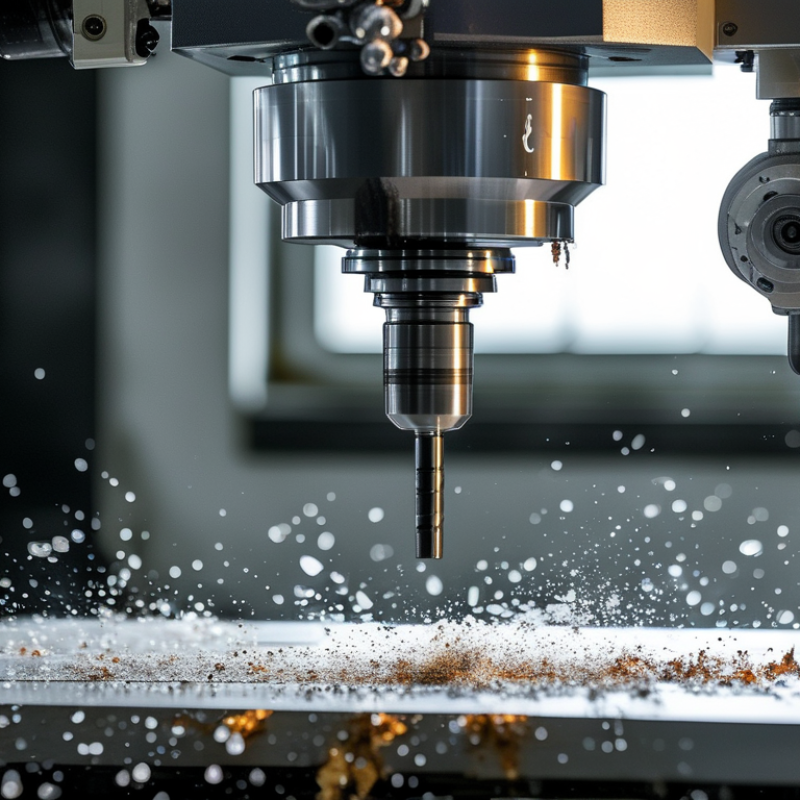
CNC milling machines have transformed precision manufacturing. Their ability to produce complex parts with tight tolerances is unmatched. These machines operate with computer-controlled precision, reducing human error significantly. This accuracy is essential in industries where every millimeter counts.
Tips: Always check your designs carefully. Even minor errors can lead to costly rework. Regular maintenance of your CNC mill is crucial. It ensures optimal performance and prolongs machine life.
The versatility of CNC milling machines is another key advantage. They can handle various materials, from metals to plastics. This flexibility allows manufacturers to tackle different projects seamlessly. Yet, finding the right settings for each material can be challenging; it requires a good understanding of the machine's capabilities.
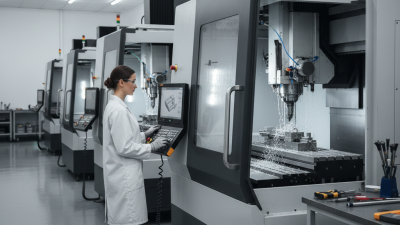
Investing in CNC milling technology improves efficiency. It streamlines workflows, saving time and reducing manual labor. However, navigating the initial learning curve can be daunting for new users. Taking the time to train operators can lead to better outcomes and enhance product quality.
Comparative Analysis: CNC Mills vs. Traditional Machining Techniques
CNC mills have transformed manufacturing processes significantly. They offer precision that traditional machining techniques often struggle to achieve. CNC technology automates the production process, resulting in higher efficiency. On the other hand, traditional methods can be time-consuming and labor-intensive. Human error can impact the final product quality in traditional machining.
Tips: When considering CNC mills, assess your specific production needs. Evaluate the complexity of your designs. This will help you determine if CNC is the right fit.
However, CNC machines require a learning curve. Operators need proper training to utilize their full potential. The upfront investment for CNC technology can be daunting, particularly for small businesses. In contrast, traditional methods may require less initial capital.
Tips: Consider the long-term gains. CNC mills can reduce waste and increase production speed. Evaluate your budget against potential savings in labor and material costs. The decision isn’t straightforward, but thorough assessment leads to smarter choices.
Cost Efficiency: Long-Term Savings with CNC Milling Investment
CNC milling is a powerful tool in manufacturing. It offers significant cost efficiency over time. Initial investments can be high, but the long-term savings are substantial. With CNC mills, you reduce labor costs. Automated processes minimize the need for extensive manual intervention. This enhances productivity and decreases potential errors.
Additionally, CNC mills allow for rapid prototyping. This means manufacturers can test designs without overspending. Time is money, and quicker production cycles translate to faster returns. However, businesses must ensure proper maintenance and training. Neglecting these aspects can lead to unexpected downtime.
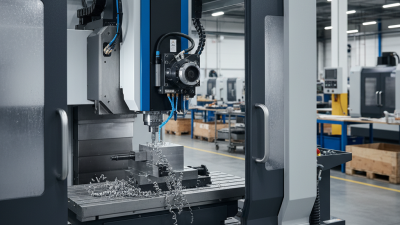
Investing in CNC technology also means better resource management. Materials are cut with precision, leading to less waste. This contributes to overall sustainability efforts. Yet, the technology demands skilled operators. If the workforce is untrained, benefits may not be realized. Balancing technology with human expertise is essential for optimal results.
Technological Advances: How CNC Mills Enhance Production Speed and Quality
CNC mills have revolutionized manufacturing processes by enhancing both production speed and quality. According to a report by the International Federation of Robotics, the adoption of CNC technology can improve efficiency by up to 20%. This significant increase allows manufacturers to meet tight deadlines while maintaining high standards. The precision of CNC mills ensures that parts are produced within tight tolerances, reducing waste and saving costs in material usage.
Technological advancements, such as real-time monitoring and advanced software integration, further enhance performance. A study from the National Institute of Standards and Technology shows that implementing these systems can reduce production time by as much as 30%. These innovations allow for greater flexibility in production runs, accommodating custom orders without extensive reconfiguration. However, businesses must continuously evaluate the cost-to-benefit ratio of integrating new technologies, as not all upgrades yield immediate returns.
Despite these advances, challenges remain. The steep learning curve associated with CNC technology can hinder implementation. Training staff effectively is essential. Some companies report downtime during the transition phase, which can affect output. Balancing investment in technology with operational realities requires strategic planning and ongoing review. As industries evolve, manufacturers must remain adaptable, pushing the boundaries while acknowledging the complexity of modernization.
Impact of CNC Milling on Manufacturing Efficiency
Customization Capabilities: Tailoring CNC Milling for Diverse Manufacturing Demands
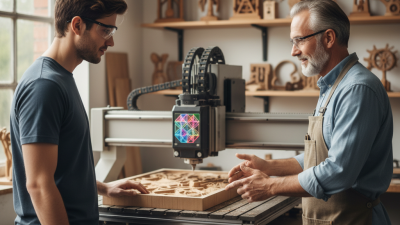
CNC milling offers extensive customization capabilities that cater to diverse manufacturing demands. This technology allows manufacturers to create intricate designs and components precisely tailored to specifications. According to a report by the Association for Manufacturing Technology, 75% of manufacturers see significant benefits from using CNC milling for customized production. This adaptability is vital in industries such as aerospace and automotive, where precision and performance are non-negotiable.
These machines can handle various materials, from metals to plastics, making them highly versatile. Adjusting parameters such as speed and feed rate enables manufacturers to fine-tune the process for each unique project. However, managing the customization process isn’t always straightforward. Communication between design and production teams is crucial. Small misalignments can lead to costly errors.
Tip: Always conduct thorough design reviews. They help in identifying potential issues before actual production begins.
Moreover, continuous operator training is essential for achieving optimal results. As technology advances, staying informed about new programming techniques and materials can enhance efficiency. Despite the sophistication of CNC mills, the human element remains vital in ensuring quality control. As noted in a study by the National Institute of Standards and Technology, 30% of CNC failures stem from operator error, highlighting the need for ongoing education and practice in the field.
Why Choose a CNC Mill for Your Manufacturing Needs?
| Feature |
Description |
Benefits |
| Precision Machining |
CNC mills provide high accuracy and repeatability in machining. |
Reduces material waste, ensuring high-quality output. |
| Customization |
Easily program different designs and specifications. |
Allows for tailored solutions for diverse industries. |
| Complex Geometries |
Capable of creating intricate shapes with ease. |
Enables advanced designs that may be challenging with manual machining. |
| Speed and Efficiency |
Rapid prototype development and faster production cycles. |
Meets tight deadlines without compromising quality. |
| Material Versatility |
Works with a wide range of materials including metals, plastics, and composites. |
Suitable for various applications across different sectors. |