How to Choose the Right CNC Turning Machine for Your Business?
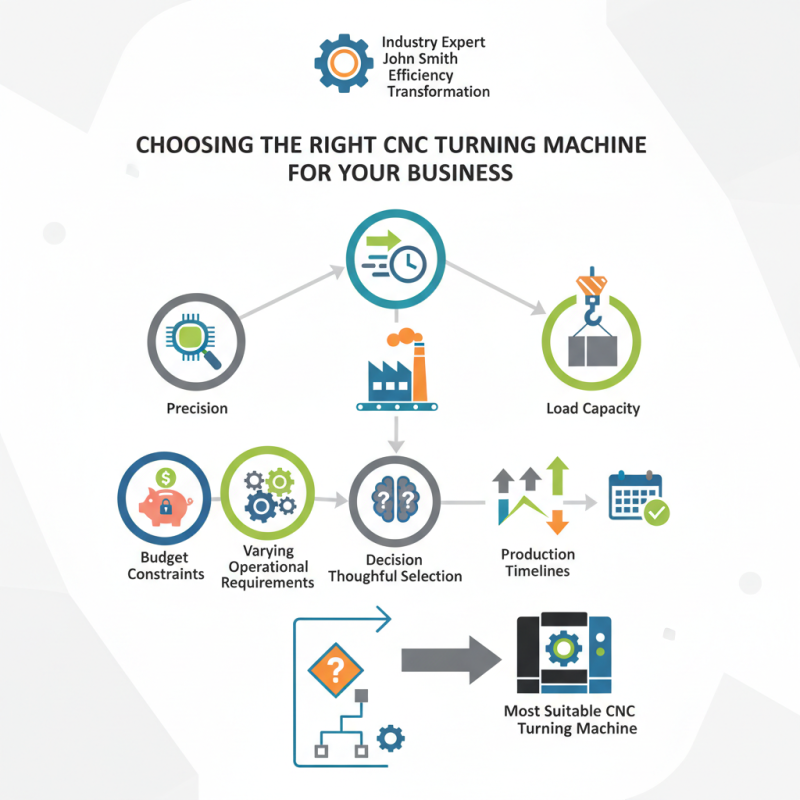
Choosing the right CNC turning machine is critical for any manufacturing business. Industry expert John Smith, a veteran in CNC technology, once said, “A well-chosen CNC turning machine can transform efficiency.” This statement underscores the importance of thoughtful selection.
The CNC turning machine market has diverse options. Each option caters to different needs and applications. It’s essential to consider factors like precision, speed, and load capacity. This machinery can significantly impact production timelines and profitability.
However, the decision isn't always easy. Companies often grapple with budget constraints and varying operational requirements. Reflecting on these factors can lead to better investment choices. Assessing your unique needs will guide you in selecting the most suitable CNC turning machine.
Understanding CNC Turning Machines and Their Applications
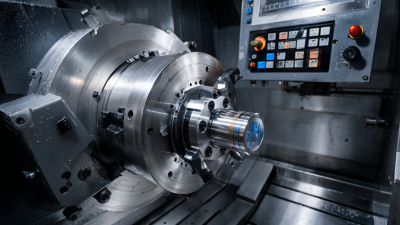
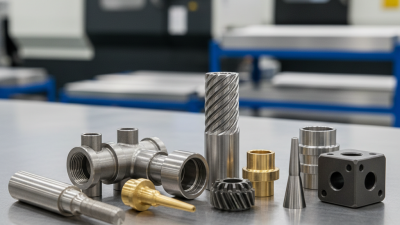
CNC turning machines are essential in manufacturing for creating precise and complex parts. These machines utilize computer-controlled lathes to shape materials into desired forms. They are used for a variety of applications, including aerospace, automotive, and medical industries. The ability to produce intricate designs with high accuracy makes CNC turning machines invaluable to many businesses.
When selecting a CNC turning machine, consider the material you plan to work with. Different machines have specific capabilities for various materials, whether it’s metal, plastic, or composite. The size and complexity of the components are also crucial factors. A machine’s spindle speed and torque can affect your output quality.
Tips: Assess your production volume needs. A high-capacity machine may be beneficial for larger orders. However, a smaller, more flexible machine might better serve low-volume, custom jobs. Also, pay attention to control systems. User-friendly interfaces can enhance your team's efficiency and reduce training time.
Think about future scalability. If you anticipate growth, invest in a versatile machine that adapts to different projects. Sometimes, opting for budget-friendly alternatives can lead to limitations later. Balancing initial costs with long-term benefits requires careful thought.
Key Factors to Consider When Choosing CNC Turning Machines
Choosing the right CNC turning machine for your business involves multiple critical factors. One key aspect is the machine's specifications. Consider its operational speed and precision. These factors directly affect production efficiency and the quality of your products. A machine that offers high precision might be necessary for detailed parts, while a faster machine may boost overall output.
Another important factor is the machine's size and capacity. Ensure that the CNC turning machine can accommodate the largest parts you plan to produce. This can prevent future limitations as your business grows. Make sure to think about the workspace available. A large machine may require more space, and not all facilities can accommodate vast equipment without disruptions.
Lastly, evaluate the level of technological integration. Some machines come equipped with advanced software for easier operation. These features can significantly reduce errors. However, they may also require staff training. It's essential to balance high-tech options with the skills of your current team. Reflecting on these aspects can help you make a well-rounded decision.
How to Choose the Right CNC Turning Machine for Your Business?
This chart illustrates the importance rating for key factors to consider when selecting a CNC turning machine. Each factor is rated on a scale of 1 to 10, evaluating precision, speed, cost, durability, and ease of use.
Comparing Different Types of CNC Turning Machines
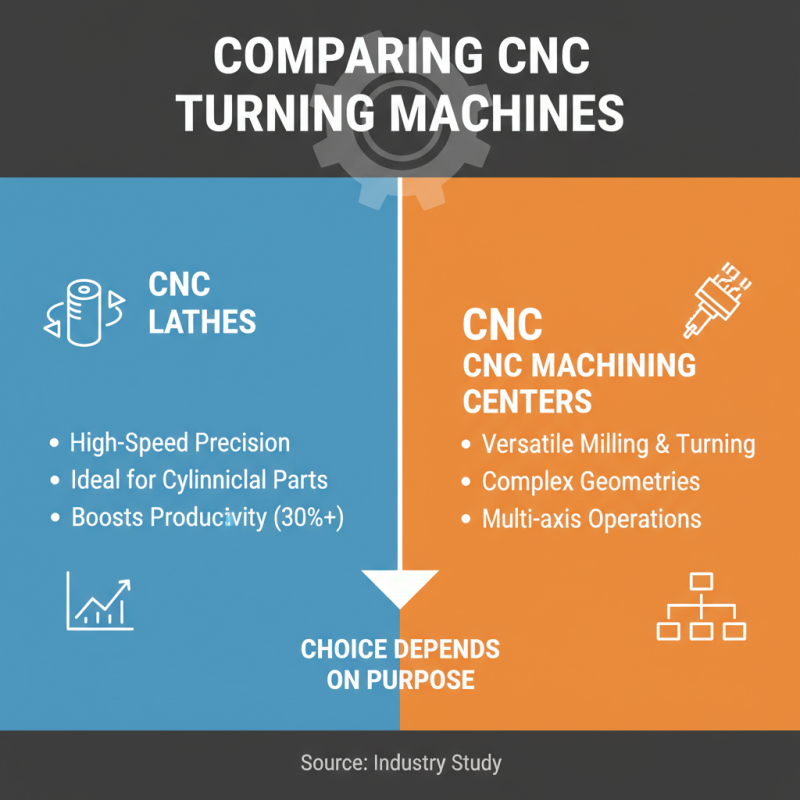
When considering CNC turning machines, it’s crucial to assess different types available. Each machine serves a unique purpose. Two primary machines are CNC lathes and CNC machining centers. CNC lathes excel in high-speed precision work. They are ideal for producing cylindrical parts. A study showed that CNC lathes can enhance productivity by up to 30%. This can lead to significant cost savings.
CNC machining centers, on the other hand, offer versatility. They can perform milling and drilling operations. This adaptability makes them suitable for diverse industries. According to industry reports, CNC machining centers account for 45% of the market share in CNC machinery. Businesses must evaluate their specific needs when choosing between these options.
Tips: Always consider the workload and types of materials you will work with. Investing in a machine that matches your production scale and complexity is crucial. Regularly review operational efficiency and performance data for ongoing improvements. Moreover, the right choice often leads to less waste and improved profitability. A mismatch can cause downtime and increased operational costs.
Evaluating the Technical Specifications of CNC Turning Machines
When evaluating CNC turning machines, understanding technical specifications is crucial. Key factors include
spindle speed,
torque, and
tool capacity. Each aspect influences your production efficiency and
machining capabilities. For instance, higher spindle speeds
improve material removal rates. Yet, this may lead to reduced tool life if not managed properly.
The machine's rigidity and design impact accuracy as well.
A sturdy frame minimizes vibrations, enhancing precision. Consider the machine's tooling interfaces as well.
Compatibility with various tools can broaden your production scope. However, too many options can complicate the setup
process, requiring skilled operators.
Maintenance requirements are another crucial aspect. Some machines demand frequent servicing, which could
increase downtime. Evaluate the availability of technical support from manufacturers or experts in the field. This
support is vital for troubleshooting and optimizing performance. Balancing
these technical specifications with your business needs will guide you in making an informed decision.
Budgeting and Cost Factors in CNC Turning Machine Selection
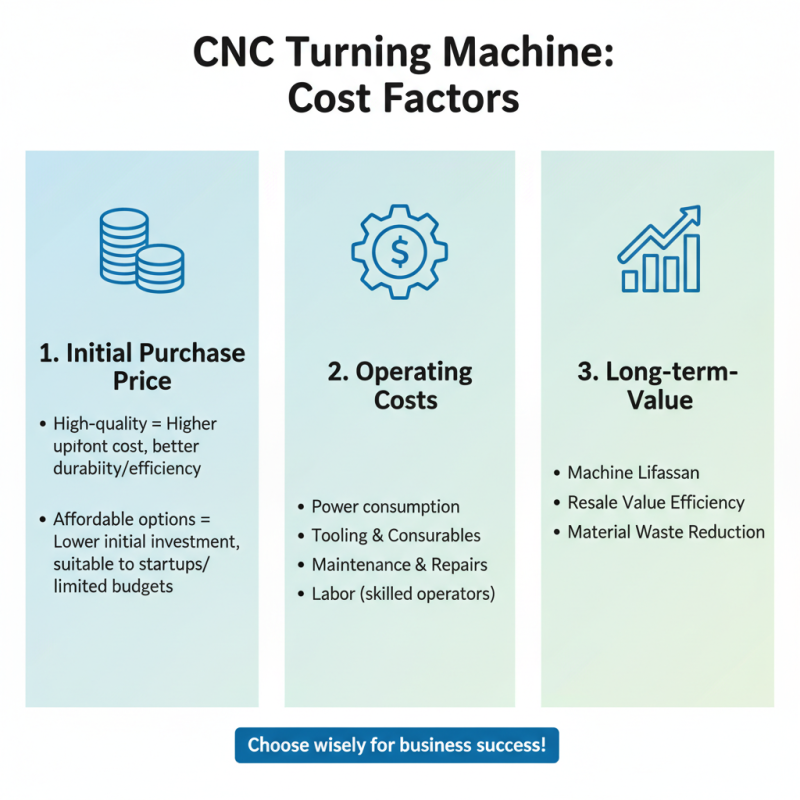
Choosing the right CNC turning machine involves various cost factors that can significantly affect your business. First, remember to assess the initial purchase price. High-quality machines typically come at a premium, but they may offer better durability and efficiency. However, a more affordable option might meet your needs if you're just starting or working with a limited budget.
Don't overlook operating costs. Machines require regular maintenance and occasional repairs. It's essential to calculate these recurring expenses, as they can add up over time. You should also consider the cost of tools and accessories needed for optimal operation. Cheap tools may save money initially, but inferior quality can lead to higher failure rates.
Additionally, factor in energy consumption. CNC machines consume varying amounts of power based on their design and usage frequency. A more energy-efficient model can cut long-term costs, making it a wise investment. Reflect on your machining volume; a machine suited for low production may not be cost-effective in high-demand situations. Balancing these elements will help pinpoint a CNC turning machine that fits both your budget and operational needs.