Why Choose Seamless Stainless Steel Pipe Suppliers?
Choosing the right Seamless Stainless Steel Pipe Suppliers can shape an entire project’s performance. These pipes support demanding systems in chemical processing, food production, energy, construction, and water treatment. Their seamless structure contains no welded seam, reducing potential weak points under pressure and heat. Yet material quality depends on more than appearance.
Experienced suppliers usually provide traceable mill certificates, chemical composition reports, dimensional records, and pressure-test results. They should explain whether grades such as 304, 316, or duplex stainless steel suit the application. A reliable supplier also understands wall thickness, outside diameter, corrosion exposure, temperature changes, and connection requirements. Small details matter. A pipe may look polished while failing an unsuitable service condition.
Practical experience often reveals problems before installation. For example, poorly protected pipe ends can collect moisture during transport. Incorrect tolerances can delay fitting work at the site. Strong suppliers inspect packaging, surface finish, straightness, and documentation before shipment. They also communicate clearly when a requested specification is unrealistic or incomplete. That honesty deserves attention.
No supplier is perfect. However, dependable companies accept questions, correct mistakes, and maintain consistent records. Independent testing, customer references, and recognized quality systems can strengthen confidence. Buyers should compare more than price. A cheaper pipe may create higher cleaning, replacement, or downtime costs later. Careful evaluation helps identify Seamless Stainless Steel Pipe Suppliers that offer technical competence, stable quality, and responsible service for real operating conditions.
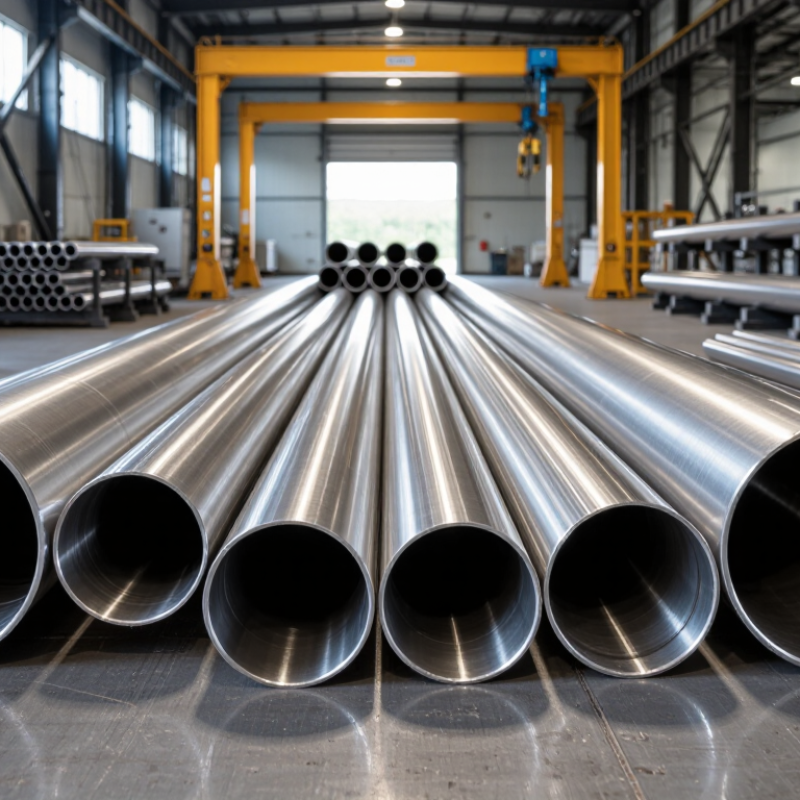
What Are Seamless Stainless Steel Pipes?
Seamless stainless steel pipes are tubular products formed without a longitudinal weld. Manufacturers pierce a heated billet, then roll, size, and heat-treat it. That structure removes a visible weld seam, but it does not make every pipe defect-free. Small flaws matter. According to the International Stainless Steel Forum’s 2023 production report, global stainless crude steel output reached about 58.4 million tonnes. This scale reflects broad use in process plants, energy systems, food equipment, and water service.
The word seamless describes the manufacturing route, not a guarantee of unlimited pressure or corrosion resistance. Grade selection remains central. Chromium forms a passive oxide film, while nickel, molybdenum, carbon, and nitrogen alter performance. Low-carbon grades can reduce sensitization risks after welding. However, seamless construction does not remove welding requirements at joints. Dimensional accuracy also depends on drawing, rolling, annealing, and straightening controls. ASTM A312, widely referenced for austenitic stainless process piping, specifies requirements for pipe, dimensions, testing, and permissible defects.
Reliable suppliers should provide heat numbers, mill certificates, chemical results, mechanical data, and hydrostatic or nondestructive test records. These documents connect a delivered pipe to its production batch. An experienced buyer also checks surface condition, ovality, wall thickness, and end preparation before installation. One practical warning: a bright surface can hide poor internal quality. Inspection is not optional. Supplier claims should be compared with the applicable standard and the service medium. That final check is easy to skip, and expensive to regret.
How Are Seamless Stainless Steel Pipes Manufactured?
Seamless stainless steel pipes begin with carefully controlled steelmaking. Stainless scrap and alloying elements are melted, often in an electric arc furnace. Argon-oxygen decarburization then lowers carbon while preserving chromium and nickel. World Stainless reported about 58.4 million tonnes of stainless crude steel production in 2023. That scale shows the industry’s capacity, not automatic quality.
The molten steel becomes a solid round billet. A rotary piercing mill pushes a heated billet over a mandrel, creating a hollow shell without a welded seam. Hot rolling reduces wall thickness and improves dimensional consistency. Cold drawing may follow when tighter tolerances or smoother surfaces are required. Heat treatment restores corrosion resistance and relieves forming stress. The pipe is then straightened, cut, pickled, and inspected.
Inspection cannot be treated as decoration. Suppliers commonly verify chemistry, dimensions, tensile strength, hardness, and hydrostatic or nondestructive test results under standards such as ASTM A312 or EN 10216-5. Surface inspection can reveal laps, pits, or scale missed during production. The process is highly controlled, but not perfectly uniform. Small temperature changes can affect grain structure. Experienced manufacturers therefore keep furnace records, calibration files, and traceability documents for each heat and pipe batch. A polished certificate is useful, yet it should never replace independent verification.
Why Choose Seamless Stainless Steel Pipe Suppliers?
How Are Seamless Stainless Steel Pipes Manufactured?
Seamless stainless steel pipes are produced from solid billets rather than welded strip. The billet is heated, pierced, elongated, sized, and solution annealed to create a continuous pipe structure. The temperature windows shown are representative industrial ranges; exact settings depend on the stainless steel grade, pipe size, and applicable standard.
What Qualities Define a Reliable Pipe Supplier?
A reliable seamless stainless steel pipe supplier proves quality before shipment. Production scale is enormous. World Stainless reported 58.4 million tonnes of crude stainless steel production in 2023. That scale increases material choices, but also increases traceability risks. A dependable supplier should provide heat numbers, chemical analysis, mechanical results, and complete mill test certificates. The documents must match the pipe markings.
Technical capability matters beyond paperwork. Suppliers should understand ASTM, ASME, or EN requirements for grade, wall thickness, tolerance, and testing. Hydrostatic testing, ultrasonic examination, and positive material identification can reveal defects that visual inspection misses. ISO’s Survey 2022 recorded more than 1.2 million ISO 9001 certificates worldwide. However, certification alone proves little about every shipment. A valid certificate cannot replace inspection records, calibrated equipment, or transparent corrective actions. I have seen purchasing teams trust polished documents too quickly. That is an uncomfortable weakness worth examining.
Tips: Request a sample certificate before ordering. Check its heat number against the pipe. Ask how rejected material is isolated. Confirm whether an independent inspector can witness testing. Also review packaging details, because wet wooden crates can stain polished surfaces. A useful supplier answers technical questions clearly, admits limitations, and keeps records accessible. Delivery speed matters, but consistent dimensions and documented quality matter more.
Why Choose Specialized Seamless Pipe Suppliers?
Specialized seamless pipe suppliers understand that a pipe is more than its alloy label. They can match grade, dimensions, and service conditions, then provide heat-number traceability and inspection records. For a buyer, that means checking material certificates against the delivered pipe, not just trusting a quotation. Small details count. A mismatch in wall thickness can affect fit-up, pressure calculations, and installation time.
The International Stainless Steel Forum reported global stainless steel production of 58.4 million tonnes in 2023, up 4.6% from 2022. That scale makes clear identification and consistent quality control especially important across supply chains. Experienced suppliers should explain applicable specifications, such as ASTM A312 for certain stainless steel pipe applications, and clarify what testing is included. Ask about dimensional checks, positive material identification, and hydrostatic testing where required by the order. Not every project needs every test, and extra paperwork alone does not guarantee quality. A useful supplier answers specific questions and flags limitations before shipment. Sometimes, the honest answer is that a requested grade or tolerance needs further verification.
How to Evaluate and Select the Right Supplier?
Why Choose Seamless Stainless Steel Pipe Suppliers?
How to Evaluate and Select the Right Supplier?
Selecting a seamless stainless steel pipe supplier requires more than comparing prices. Check the supplier’s production experience, inspection procedures, and material traceability. Each pipe should have clear heat numbers and matching material certificates. These records help verify chemical composition, mechanical strength, and manufacturing history.
Ask which standards the supplier follows and whether independent testing is available. Request reports for tensile tests, hydrostatic tests, and non-destructive examinations. Dimensional accuracy also matters. Measure wall thickness, outside diameter, and pipe length against your drawings. A reliable supplier should explain tolerances before production begins.
Visit the facility when possible. Observe how pipes are stored, marked, and protected from contamination. Ask about equipment maintenance and operator training. Sample orders can reveal surface quality, packaging, and communication speed. References from similar industries add useful evidence, but they should not replace your own checks.
Price still matters. However, unusually low pricing may reflect thinner documentation, weaker inspection, or uncertain delivery control. Compare total cost, including testing, packaging, transport, and possible delays. Lead time deserves written confirmation. Delays can disrupt installation schedules and increase labor costs.
Do not trust polished claims alone. I have seen suppliers provide complete certificates but vague answers about corrective action. That gap deserves attention. A careful selection process may take longer, yet it exposes risks before the pipes reach your site.