How to Choose the Right Lathe Machine for Your Needs?
Choosing the right lathe machine is essential for achieving your machining goals. The perfect lathe can make a significant difference in your projects. It directly impacts precision and efficiency.
Understanding your specific needs is crucial. Consider factors such as the materials you'll work with and the types of projects you’ll undertake. Each lathe machine offers unique features that cater to different applications. Analyzing these aspects is vital for making an informed decision.
Moreover, it's important to reflect on your experience level. Beginners might need simpler models, while advanced users may seek high-end options. Balancing your needs with your budget is challenging. The right lathe machine should enhance your capabilities, not overwhelm you. Take your time to explore the options available. This will lead to more satisfying results in your machining endeavors.
Understanding Your Project Requirements for a Lathe Machine
Choosing the right lathe machine starts with understanding your project's specific needs. Different projects require varying levels of precision, tooling, and operational capabilities. For instance, if you're working on intricate designs, you’ll need a machine that can handle finer details and provide superior accuracy. This is crucial for achieving the desired finish and ensuring that your work meets quality standards.
Additionally, consider the materials you plan to use. Different lathes are designed for various materials, such as wood, metal, or plastic. Each material demands unique handling techniques and settings. Identifying these requirements before making a purchase can save you time and frustration. Some users might struggle with machines that are either too advanced or too basic for their needs. Reflecting on past projects can help pinpoint which features you value most.
Budget is another significant factor. A higher price doesn’t always guarantee better performance. It’s essential to weigh the cost against the machine’s capabilities. For some, a more affordable lathe might suffice, while others might find themselves needing to upgrade sooner than anticipated. Evaluating both immediate and long-term goals will help in selecting the most appropriate lathe for your projects.
Types of Lathe Machines and Their Unique Features
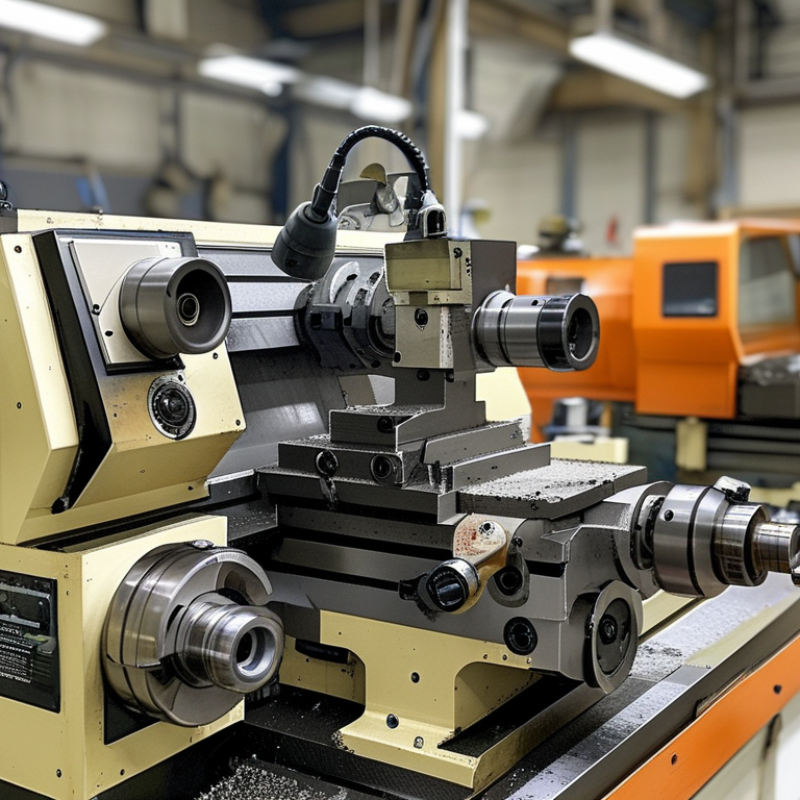
When selecting a lathe machine, understanding the different types is crucial. Each type offers unique features tailored for specific tasks. For instance, a bench lathe is compact and ideal for small projects and hobbyists. It allows for intricate designs but might not handle larger workpieces effectively.
On the other hand, a floor lathe is more robust and suitable for heavy-duty applications. This type provides more stability and power for larger materials. However, it requires more floor space and a higher initial investment. Users must consider their available workspace and intended usage.
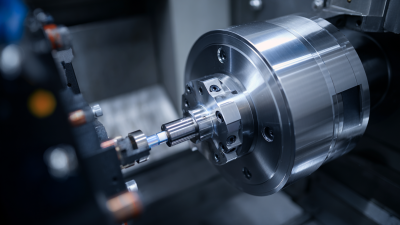
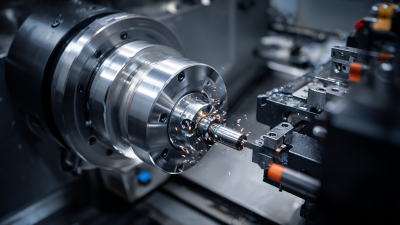
Furthermore, CNC lathes are gaining popularity in modern workshops. These machines automate the turning process. They increase precision and reduce manual labor. Yet, they also demand a level of technical knowledge for operation. Choosing the right lathe machine involves balancing features with individual project needs and available skills.
Comparison of Different Types of Lathe Machines
This bar chart illustrates the operating speeds of different types of lathe machines. Understanding these features can help you choose the right lathe for your needs.
Key Specifications to Consider When Choosing a Lathe
When choosing a lathe machine, key specifications are essential. Start with the lathe type. Consider whether you need a manual, CNC, or toolroom lathe. Each serves different purposes and user expertise. Manual lathes offer hands-on experience, while CNC lathes provide automation and precision. Think about your skill level and desired output.
Next, evaluate the swing over bed and distance between centers. These measurements impact the size of projects you can undertake. If you work on larger pieces, ensure your lathe can accommodate them. Additionally, check the spindle speed range. A versatile speed range allows you to work with various materials and applications.
Moreover, pay attention to the tooling options. The right tooling allows for more versatility in projects. Some lathes come with built-in tool holders, increasing convenience. Reflect on your specific needs. Sometimes, a machine with multiple features can seem appealing but may not suit all users. It’s vital to balance features with your actual requirements.
How to Choose the Right Lathe Machine for Your Needs? - Key Specifications to Consider When Choosing a Lathe
| Specification |
Recommendation |
| Swing Over Bed |
At least 12 inches for general use |
| Spindle Speed |
Variable speed up to 2000 RPM for flexibility |
| Motor Power |
1 HP minimum for small to medium tasks |
| Bed Length |
36 inches for general applications |
| Tailstock Type |
Ensure it is adjustable and includes a good taper |
| Control Type |
Digital for precision and ease of use |
| Weight |
Heavier models provide better stability |
| Accessories Included |
Check for chucks, tools, and built-in tool holders |
Budgeting for Your Lathe Machine Investment
When investing in a lathe machine, budgeting is crucial. The cost varies widely based on features, size, and brand.
Entry-level models can start around $1,000, while advanced machines can exceed $10,000. According to market analysis, businesses spend an average of
15-20% of their total equipment budget on lathes alone. This statistic underscores the importance of careful financial planning.
Operational costs should also be considered. Maintenance and tooling can add up quickly. Regular maintenance ensures longevity, often requiring up to
5% of the initial investment each year. Unexpected repairs can disrupt production. A comprehensive budget should account for these potential pitfalls.
Additionally, it's essential to evaluate your specific needs. A machine that excels in one area may lack versatility in another. Consider how often you will use it. A machine for occasional projects may not warrant a high-end purchase. Reflecting on your actual usage can help avoid overspending. The right machine balances performance and cost, tailored to your unique operations.
Maintenance and Support for Longevity of the Lathe Machine
Maintaining a lathe machine is crucial for its longevity and performance. Regular upkeep will prevent costly repairs down the road. One common mistake is neglecting routine inspections. Checking belts, bearings, and lubrication systems can catch problems early.
Tips for maintenance: Always clean the machine after use. Dust and debris can damage precision parts over time. Schedule monthly maintenance checks. Ensure all components are tightened and functioning properly. Consider keeping a maintenance log to track any issues that arise.
Another area of focus is proper support. Choosing a lathe machine that comes with reliable customer support is essential. It ensures that you can access expert help when needed. Sometimes, confusion arises from complex manuals. Having an experienced support team can make all the difference.
Be mindful of the wear and tear on your machine. Regularly replace worn tools and parts. It is easier to maintain value and functionality this way. Avoid pushing the machine beyond its limits. Recognizing its capabilities allows for better precision and longevity.