What is CNC Milling Parts and How to Source Them?

CNC milling parts play a crucial role in modern manufacturing. They are essential for creating precision components across various industries. According to a report by Market Research Future, the global CNC machining market is expected to grow at a CAGR of 6% from 2022 to 2030. This growth highlights the increasing demand for CNC milling services.

Sourcing CNC milling parts can be challenging. Quality is paramount, yet not all manufacturers meet necessary standards. Poorly made parts can lead to failures and incur significant costs. A study by Grand View Research indicates that the precision machining market may reach $135 billion by 2025. Thus, finding reliable suppliers is critical for businesses aiming to maintain competitiveness.

Understanding how to source CNC milling parts requires knowledge and strategy. The diversity in materials and technologies complicates the selection process. Yet, ensuring that suppliers adhere to quality certifications can mitigate risks. Additionally, engaging with experienced professionals can enhance sourcing decisions. Finding the right CNC milling parts is essential for business success, so companies must approach this process meticulously.

What is CNC Milling Parts and How to Source Them?

What are CNC Milling Parts and Their Applications?

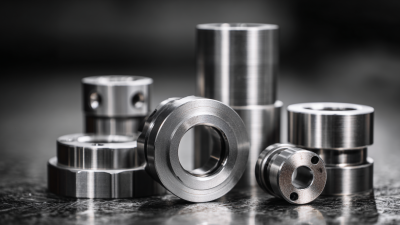
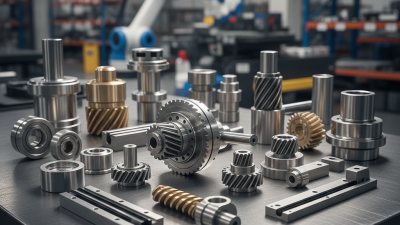
CNC milling parts are precision components crafted using Computer Numerical Control technology. They are widely used in various industries, including aerospace, automotive, and medical sectors. These components can be made from metals, plastics, and composites, providing versatility in design and functionality. Common applications include brackets, housings, gears, and fixtures, which require tight tolerances and high durability.

When sourcing CNC milling parts, understanding your specific needs is crucial. Review the design specifications and materials required for your project. Also, consider the production volume, as this can impact the choice of milling technology. It's important to communicate your requirements clearly with suppliers to avoid misunderstandings.

Tips: Always ask for samples before placing large orders. This helps ensure the quality meets your expectations. Additionally, assess the supplier's capabilities and past performance. A reliable supplier should provide references or case studies. Quality control processes are vital. Make sure your provider has robust inspection methods in place. This can save you from costly errors later on.

CNC Milling Parts and Their Applications

Part Name Material Application Tolerance Quantity
Brackets Aluminum Machinery ±0.01 mm 500
Housing Stainless Steel Automotive ±0.02 mm 250
Gears Brass Industrial Machinery ±0.01 mm 1000
End Caps Plastic Electronics ±0.05 mm 1500
Flanges Carbon Steel Pipelines ±0.03 mm 300

Understanding the CNC Milling Process: A Step-by-Step Guide

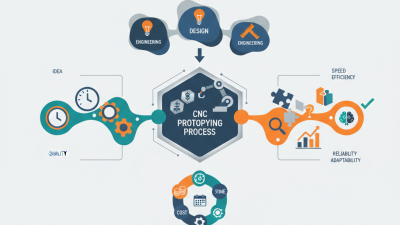
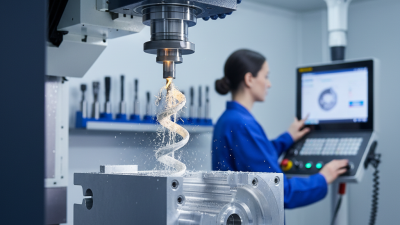
CNC milling is a precise manufacturing process. It involves removing material from a solid block to create complex parts. The key step begins with a digital design. Engineers create a Computer-Aided Design (CAD) file. This file guides the milling machine during production.

Once the design is complete, the milling machine uses rotary cutters for material removal. This step requires careful setup. Correct tool selection and calibration are vital. Mistakes here can lead to wasted materials and longer lead times. Each movement must be accurate to meet design specifications. The environment also plays a role. Sufficient cooling and lubrication are needed to avoid overheating and tool wear.

After milling, the part often needs finishing touches. This can include sanding or polishing. Failure to inspect these details can result in flaws. Quality checks at every stage are important. Accurate sourcing of materials impacts the final product. Reliable suppliers contribute significantly to success. Finding them may take time and research. Companies should invest effort in establishing strong partnerships.

Key Materials Used in CNC Milling Parts Production

CNC milling parts are essential in various industries, from automotive to aerospace. When sourcing these parts, understanding the materials used in their production is crucial. Specific materials influence durability and precision.

Aluminum is a popular choice. It is lightweight yet strong, making it ideal for a range of applications. It also exhibits excellent machinability. Steel, on the other hand, offers superior strength and toughness. It is often used for components that must withstand high stress. Choosing the right steel alloy can impact the part's performance significantly.

Plastics are gaining traction in CNC milling. They are versatile and cost-effective. Materials like nylon and polycarbonate are commonly used. While they may not match metals in strength, they can be suitable for non-load bearing components. However, one must consider the environmental impact of sourcing plastic materials. It's vital to reflect on these choices and select wisely.

Essential Factors for Sourcing CNC Milling Parts Effectively

When sourcing CNC milling parts, it’s crucial to consider several essential factors. Understanding material specifications is paramount. According to the 2022 Manufacturing Trends report, about 30% of projects fail due to incorrect material choices. Engineers must specify the exact materials that align with their application, whether aluminum, stainless steel, or plastics.

Another vital factor is supplier capabilities. The industry standard indicates that 75% of sourcing issues stem from inadequate communication regarding production capabilities. Engage with potential suppliers to understand their machining tolerances, minimum order quantities, and lead times. Building a robust relationship can lead to better reliability and increased trust.

Cost is always a concern. A recent survey showed that 45% of manufacturers list pricing as their top consideration. However, looking for the cheapest option might result in subpar quality. It's essential to balance cost with quality and reliability. Carefully evaluate all quotes and don’t shy away from seeking clarification. These thoughtful approaches ensure a more effective sourcing strategy for CNC milling parts.

Evaluating CNC Milling Suppliers: Tips and Best Practices

What is CNC Milling Parts and How to Source Them?

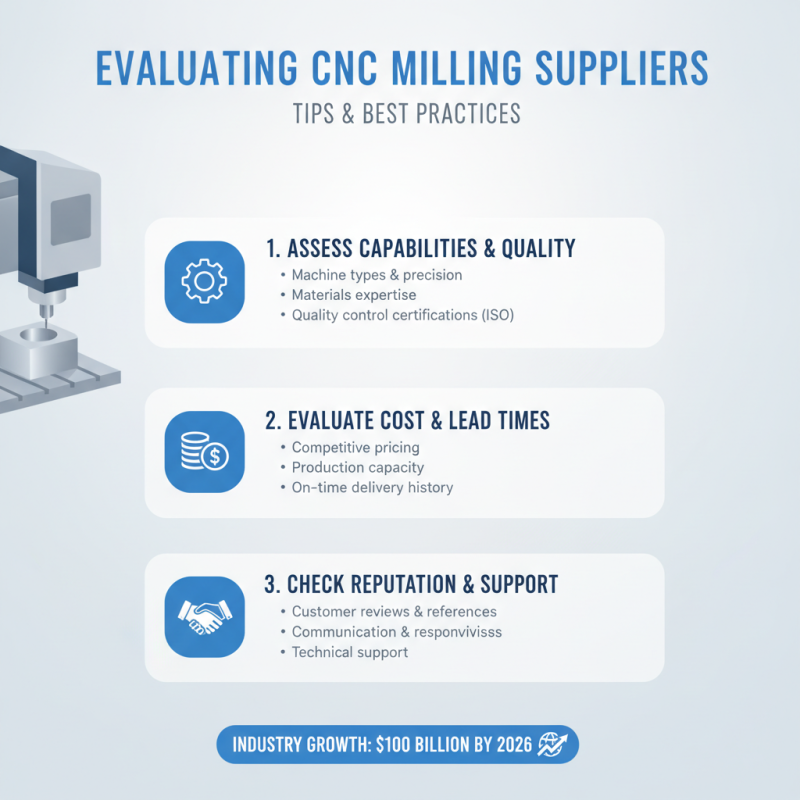
Sourcing CNC milling parts requires careful evaluation of suppliers. The CNC machining market is expected to reach $100 billion by 2026, according to industry reports. This growth highlights the importance of selecting reliable suppliers. Evaluating potential partners demands a straightforward approach.

Start with certifications. Verify if they have ISO 9001 or AS9100 certifications. These credentials indicate adherence to quality management standards. A well-certified supplier is more likely to deliver precise components.

Next, assess their technology and equipment. Suppliers should use modern CNC machines. Advanced equipment can produce finer tolerances and higher efficiency. Check for their machining capabilities. A supplier’s experience with various materials, such as aluminum or titanium, can affect quality and delivery time.

Consider communication styles as well. Suppliers should be transparent with pricing and timelines. A responsive supplier fosters trust. Remember that delays can occur. Ask how they handle unforeseen problems. This helps gauge their reliability.

Be sure to read reviews and testimonials. Customer experiences often reveal insights about reliability. Reliable sourcing is not just about price; it's about building relationships. Taking these steps helps ensure your CNC milling parts meet your project's needs effectively.

Scroll to Top