Top Tips for Effective Brass CNC Machining Solutions?
In the realm of manufacturing, brass CNC machining stands out as a vital process. This material is favored for its excellent machinability and corrosion resistance. According to a recent industry report, the brass market is projected to grow significantly, reaching nearly $3 billion by 2026. This growth highlights the increasing reliance on brass for various applications, including automotive and electronics.
However, challenges persist in achieving efficiency and precision. Many manufacturers grapple with maintaining tolerances and optimizing tool life. These issues can lead to increased costs and production delays. Through continuous monitoring and leveraging advanced technologies, businesses can enhance their brass CNC machining processes.
Success in this field requires integrating innovation and expertise. Understanding specific machining parameters is essential. Additionally, selecting the right tools can significantly impact production quality. It is crucial to reflect on failures and adapt strategies accordingly. Adopting effective solutions in brass CNC machining can yield remarkable results.
Understanding Brass Material Properties for CNC Machining
Brass is a popular material in CNC machining due to its unique properties. It offers excellent machinability. The high copper content in brass ensures good thermal conductivity. This property can reduce heat build-up during machining processes. However, achieving the right balance of speed and feed rates is crucial. Too fast can lead to tool wear. Too slow may not efficiently cut through the material.
Understanding the different types of brass is vital. Free-cutting brass, for example, is designed specifically for machining. It contains lead, which enhances machinability but may not be suitable for all applications. When choosing brass grades, consider the intended use and required mechanical properties. Also, be aware that brass can be prone to deformation under excessive pressure. Machinists must monitor equipment settings closely for optimal results.
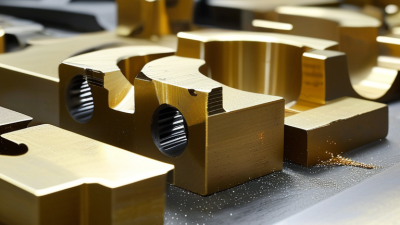
The surface finish of brass parts is another consideration. It is essential to use appropriate tooling to avoid scratches or blemishes. Techniques such as polishing or anodizing can improve the appearance and corrosion resistance of finished parts. Despite these methods, achieving a flawless finish can be challenging. Regular quality checks during production can help identify issues early on. This approach promotes reliability and enhances the quality of the final product.
Selecting the Right CNC Machine for Brass Machining
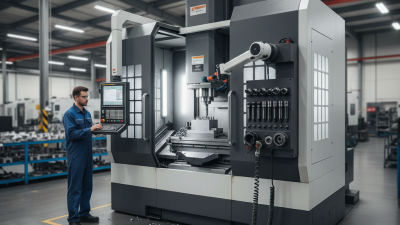
Selecting the right CNC machine for brass machining is crucial for effectiveness. Brass is a ductile material, requiring precision tooling and machining strategies. A report from the National Association of Manufacturers indicates that 70% of manufacturers face challenges in selecting appropriate machinery. These issues lead to inefficiencies in production.
When choosing a CNC machine, consider the rigidity of the machine. A rigid machine minimizes vibrations, ensuring smoother cuts. For brass, rigid end mills can enhance surface finish significantly. Industry data shows that improved surface integrity can increase lifespan by up to 30%. This point highlights the balance needed between machine strength and production speed.
Furthermore, precision is non-negotiable. Tools made specifically for brass can reduce material waste. Research indicates that optimizing tool paths can save up to 15% in raw material costs. However, many operators overlook this aspect, leading to excessive waste and increased costs. Evaluating the machine's ability to handle complex geometries will pay off in both efficiency and output quality.
Optimizing Tooling and Techniques for Brass CNC Machining
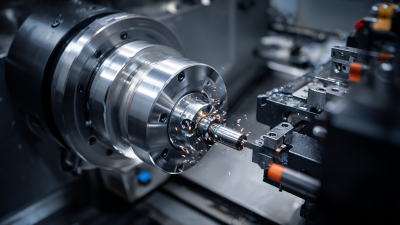
Brass CNC machining requires precise tooling and techniques to achieve optimal results. First, selecting the right cutting tool is crucial. For brass, high-speed steel or carbide tools can work well. However, improper tool selection may lead to increased wear and poor finishes. Regularly inspecting tools helps avoid costly mistakes.
Another important aspect is machine settings. Feed rates and spindle speeds need to be adjusted based on the specific brass alloy being machined. Each alloy behaves differently under pressure, and finding the right balance is essential. It’s not uncommon for operators to overlook these factors, leading to inefficient machining processes.
Using coolant also plays a vital role in CNC machining of brass. It helps to dissipate heat and improve surface quality. However, selecting the wrong type of coolant can cause issues. Some might find they have to tweak their coolant mixture several times before achieving the desired results. All these factors highlight the importance of continual learning and adjustment in the CNC machining process.
Best Practices for Maintenance and Quality Control in Machining
In the realm of brass CNC machining, maintenance and quality control are paramount. Studies indicate that neglecting regular maintenance can lead to a 20% increase in breakdowns. Routine checks on machines not only enhance productivity but also extend the lifespan of equipment. Ensuring proper lubrication and calibration can prevent costly downtime.
Implementing strict quality control measures is equally crucial. Research reveals that up to 30% of machining defects can occur from inadequate quality checks. Establishing inspection protocols at each stage of production can significantly reduce errors. Use precision gauges for accurate measurements, ensuring that every piece meets the required specifications.
Machinists should continuously train to stay updated with the latest techniques. In a diverse industry, adapting to new technologies enhances efficiency. Conducting regular feedback sessions can identify potential flaws in processes. It's essential to engage all team members in these discussions. The balance between responsiveness to issues and adherence to routines can often lead to better outcomes. Regular audits and performance reviews help maintain the highest standards.
Top Tips for Effective Brass CNC Machining Solutions
Common Challenges in Brass CNC Machining and Their Solutions
Brass CNC machining presents unique challenges that demand careful attention. One common issue is tool wear. Brass is prone to high-tool wear rates, which can affect precision. Reports indicate that tool wear can increase by up to 30% when machining brass compared to other metals. Regular monitoring and appropriate tool selection can mitigate this effect.
Another significant challenge is achieving optimal surface finish. Brass often requires a specific machining strategy to prevent surface defects, such as burrs and scratches. Industry data shows that improper feed rates can lead to undesired results, potentially decreasing product quality by 15%. Implementing proper coolant and lubrication can also help maintain a better finish and prolong tool life.
Inconsistent material properties pose a third challenge. Variations in brass composition can lead to unpredictable machining performance. A study highlighted that variations in brass alloys can affect machining accuracy by up to 20%. Utilizing material from reliable suppliers and performing regular material testing can address these concerns, ensuring better outcomes in CNC machining processes.