2026 How to Source High Quality CNC Milling Parts Efficiently?
In the rapidly evolving manufacturing landscape, sourcing high-quality CNC milling parts is crucial for competitive advantage. According to industry reports, the global CNC machining market is projected to reach $100 billion by 2026. This growth reflects the increasing demand for precision components across various sectors, including aerospace, automotive, and electronics.
Quality control in CNC milling is essential. Defects can lead to costly production delays and reduced functionality. Research shows that up to 30% of parts may fail to meet quality standards due to inconsistent sourcing. This statistic prompts reflection on the need for robust supplier relationships.
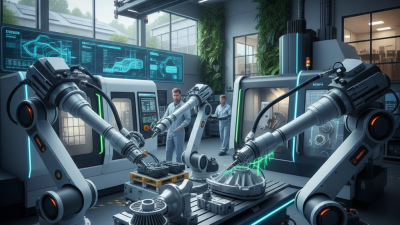
Efficient sourcing strategies often involve leveraging automated systems and advanced technologies. However, the challenge lies in identifying reliable suppliers who can deliver consistent quality. Understanding market trends and supplier capabilities is vital. Overall, navigating this complex process requires careful consideration of both immediate needs and long-term impacts on production efficiency.
Understanding CNC Milling and Its Applications
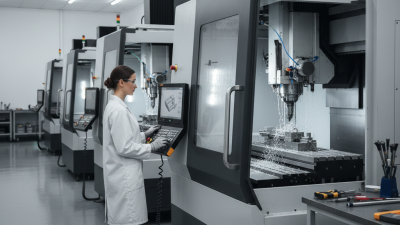
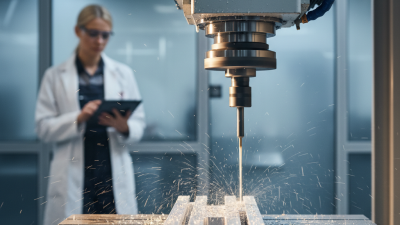
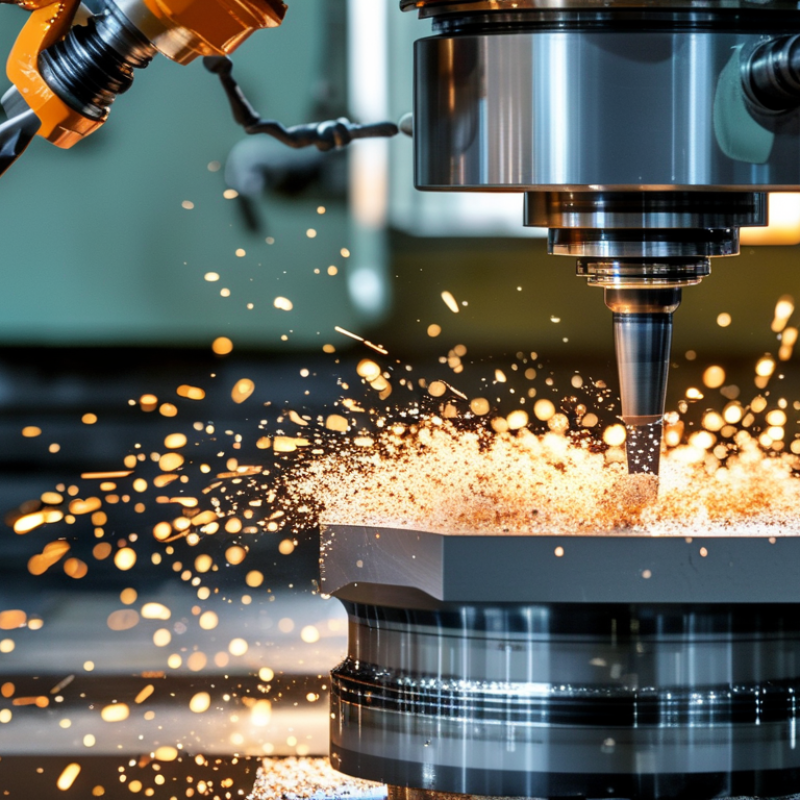
CNC milling is a critical manufacturing process. It allows for precision production of complex parts. This technology uses computer-controlled machines to remove material from a solid workpiece. Industries rely on CNC milling for creating components in aerospace, automotive, and medical fields.
Understanding the application of CNC milling is essential. It can produce parts with intricate geometries and tight tolerances. However, not all CNC milling techniques yield high-quality results. Factors like tool selection and machine calibration play a significant role. A small error can lead to significant issues in part performance.
Manufacturers must continuously refine their processes. This includes testing machinery and examining output quality. Feedback loops improve both efficiency and precision. Observing trends in production can highlight areas needing improvement. CNC milling is powerful but requires careful handling to ensure it meets industry standards.
Identifying Quality Standards for CNC Machined Parts
When sourcing CNC machined parts, establishing quality standards is vital. Quality standards ensure that parts consistently meet specifications and function effectively in their intended applications. It is essential to define criteria such as material properties, dimensional accuracy, and surface finish requirements. A clear understanding of these standards can help streamline the sourcing process.
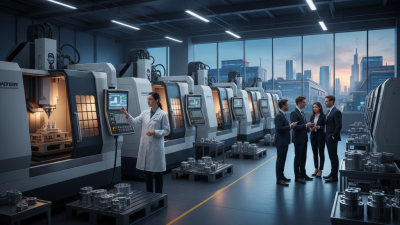
Investing time in vendor assessment is crucial. Not every supplier adheres to the same quality benchmarks. Evaluating a supplier’s certifications and past performance can provide insight into their reliability. Visiting their facilities offers a chance to see their processes firsthand. This experience can reveal potential shortcomings in their operations. Look for details in their machinery and quality checks. These aspects reflect their commitment to quality.
Even with thorough vetting, challenges may arise. Variations in material quality or manufacturing processes can lead to unexpected results. Open communication with suppliers is essential for addressing issues as they surface. Implementing regular audits can also help maintain quality standards. Yet, even the best strategies may need adjustments over time. Continuous improvement is not just a goal; it is a necessity in the CNC milling industry.
2026 How to Source High Quality CNC Milling Parts Efficiently? - Identifying Quality Standards for CNC Machined Parts
| Quality Standard |
Description |
Importance |
Metrics |
| ISO 9001 |
Standard for quality management systems. |
High |
Auditing processes, customer satisfaction rates. |
| AS9100 |
Quality standard for the aerospace industry. |
Critical |
Risk management, defect rates in production. |
| ISO/TS 16949 |
Quality management for automotive production. |
High |
Material compliance, supply chain metrics. |
| RoHS Compliance |
Restriction of hazardous substances in electrical equipment. |
Essential |
Material safety data, environmental impact assessments. |
| IEC 60601 |
International standard for medical devices. |
Vital |
Safety testing, regulatory compliance metrics. |
Strategies for Selecting Reliable CNC Milling Suppliers
Choosing the right CNC milling supplier is crucial for obtaining high-quality parts. Start by assessing their experience in the industry. Suppliers with a solid track record are more likely to deliver reliable products. Look for companies that specialize in your specific needs. Not all suppliers have the same capabilities, so ensure they can meet your technical requirements.
Request samples before committing to large orders. Testing their products can help evaluate quality and precision. Communication is key. Engage with suppliers to discuss their processes and quality control measures. This gives you insights into their reliability. Evaluate their turnaround times, as delays can disrupt your production schedule.
Lastly, seek reviews and testimonials from other clients. This can provide an unfiltered view of the supplier’s performance. Be aware, not all feedback will be positive. Some may have raised concerns. Reflect on these critiques to make an informed decision. Quality sourcing involves diligence and ongoing evaluation. Trust your instincts, but remain flexible.
2026 How to Source High Quality CNC Milling Parts Efficiently?
This chart displays the evaluation of various factors when selecting reliable CNC milling suppliers. Each factor is rated based on its importance in the sourcing process.
Evaluating Production Capabilities and Equipment
When sourcing high-quality CNC milling parts, evaluating production capabilities and equipment is crucial. A recent industry report shows that 70% of manufacturers prioritize advanced technology in their production lines. This emphasis directly correlates with lower defect rates and faster turnaround times.
Quality equipment should include state-of-the-art CNC machines. These machines should have capabilities for complex geometries and tight tolerances. In fact, a study indicated that using multi-axis CNC milling can increase production efficiency by up to 40%. However, not all equipment is created equal, and older machines may struggle to meet current demands. This variation in equipment can affect the quality of the final product.
Investing in training for operators is essential. A well-trained operator can significantly improve machining precision. According to experts, effective operator training can reduce machining errors by 25%. This investment reflects on the overall quality of parts produced. While the initial costs may seem high, the return on quality and efficiency makes it worthwhile in the competitive landscape of manufacturing.
Negotiating Pricing and Lead Times for CNC Parts Production
When it comes to sourcing high-quality CNC milling parts, negotiating pricing and lead times can feel overwhelming. Start with clear specifications. Accuracy in your requirements reduces misunderstandings. Engage potential suppliers early. This fosters transparency and helps build trust, essential for successful negotiations.
Consider volume discounts. Larger orders often yield better pricing. However, don’t rush into big commitments without vetting the supplier's capabilities. Sometimes, lower pricing may indicate subpar quality. Evaluate past projects and customer reviews. Balancing cost with expected quality is critical.
Setting clear lead times is equally important. Discuss the timelines upfront. Understand the supplier's production capacity and potential delays. Establishing a buffer can help manage your project schedules effectively. Be open to feedback from suppliers. They may suggest adjustments to align timelines with capabilities. This collaborative approach often leads to better outcomes.