Why Are Milling Machine Tools Essential for Modern Manufacturing?
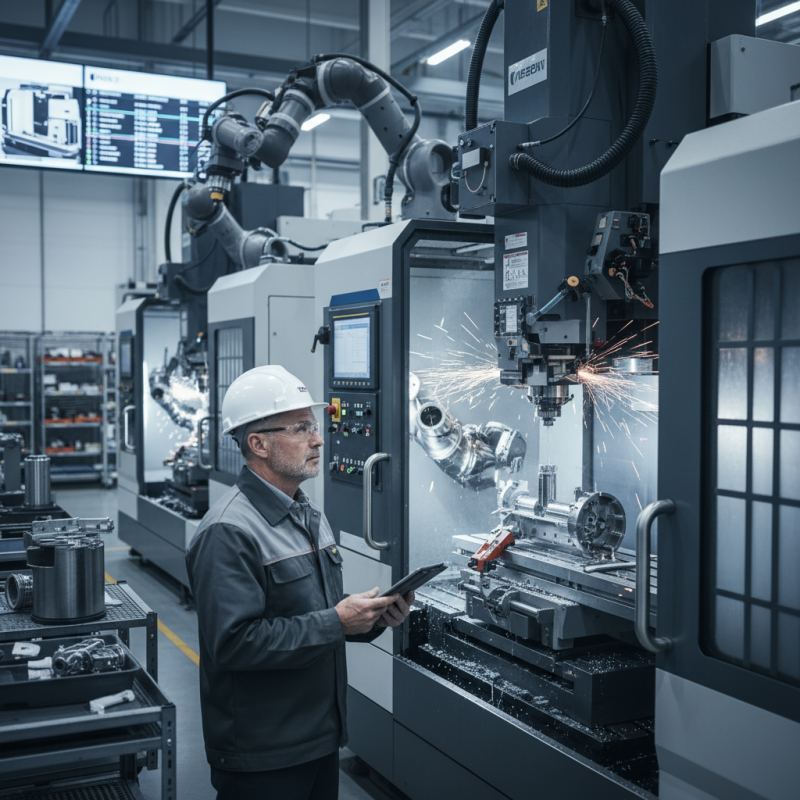
In modern manufacturing, milling machine tools play a vital role. They shape, cut, and finish materials with precision. Expert John Smith, a senior engineer at TechMachining Inc., states, "Milling machine tools drive efficiency and quality in production." This highlights their importance in various industries.
These tools can create intricate designs that meet specific needs. From automotive to aerospace, their applications are vast. However, many manufacturers struggle to keep up with technological advancements. Investing in state-of-the-art milling tools is crucial, yet often overlooked.
Innovation is essential, but not every company prioritizes upgrading equipment. This can lead to inefficiencies and outdated practices. The failure to embrace modern milling technology may hinder progress. Businesses must reflect on their strategies to remain competitive in a rapidly changing market.
The Role of Milling Machines in Enhancing Production Efficiency
Milling machines play a pivotal role in modern manufacturing. They enhance production efficiency significantly. These machines can create intricate shapes with high precision. Their versatility allows for operations like cutting, drilling, and shaping various materials. Accuracy is key. Even minor errors can impact overall production and cost.
Tips: Regular maintenance of milling machines is crucial. Keep tools sharp for optimal performance. Dull tools lead to mistakes and wasted materials.
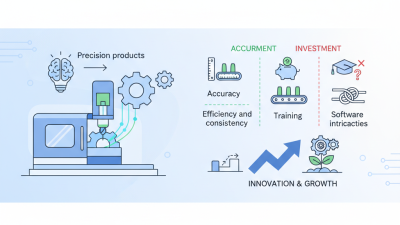
The ability to automate processes further boosts productivity. Automated milling machines can operate continuously, reducing human error. However, operators need proper training. Misunderstanding the system can lead to mishaps and inefficiencies.
Tips: Invest time in training operators. A skilled operator is more valuable than advanced machinery alone. Understand the limitations and capabilities of your machines. Constant evaluation can lead to improvements.
Impact of Milling Machines on Production Efficiency
Key Technologies: CNC Milling and Its Impact on Precision Engineering
CNC milling technology is a cornerstone of modern precision engineering. This machining method is known for its accuracy and efficiency. Reports indicate that CNC milling can increase production speed by up to 60%. This efficiency is vital in industries like aerospace and automotive, where precision is critical.
The integration of CNC technology requires skilled operators. A gap in training is often noted. Some workers may feel overwhelmed by advanced software and machinery. Yet, this creates opportunities for growth. Investing in education can bridge this gap, ensuring a highly skilled workforce.
Data shows that about 30% of manufacturers struggle with outdated equipment. This impacts overall productivity. Regular audits and upgrades are essential. Companies must constantly adapt to stay competitive. While CNC milling is revolutionary, embracing its full potential poses challenges. Identifying these hurdles is the first step toward growth.
Market Trends: Growth and Demand for Milling Machines in 2023
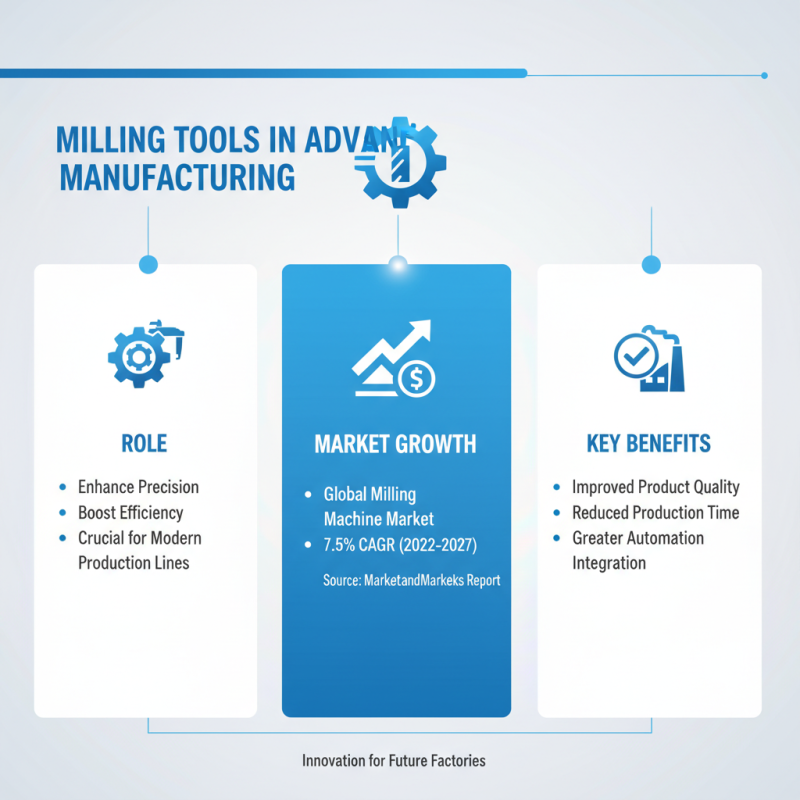
The demand for milling machines is surging in 2023. According to a recent market report, the global milling machine market is expected to grow at a compound annual growth rate (CAGR) of 6.5% through 2025. This growth reflects the increasing need for precision manufacturing across various sectors, including aerospace, automotive, and electronics.
Milling machines are vital for producing complex parts and components. Their ability to create intricate designs cannot be overstated. Industries are investing heavily in advanced milling technology. Automation and integration with CAD/CAM systems are key trends driving this demand. Automation boosts efficiency and accuracy. This is essential for meeting consumer expectations.
Tips: Always assess your production requirements before investing in milling tools. Look for machines that offer flexibility and can adapt to different projects. Consider future trends in the industry, as technology is always evolving. Don't overlook the importance of regular maintenance. Neglect can lead to costly downtimes.
The milling market is not without its challenges. The skilled labor shortage poses a significant hurdle. Manufacturers struggle to find trained professionals who can operate modern machinery effectively. Embracing technology through can be one solution. Staying updated with technological advances is crucial for remaining competitive.
Economic Benefits: Cost Reduction Through High-Performance Milling Techniques
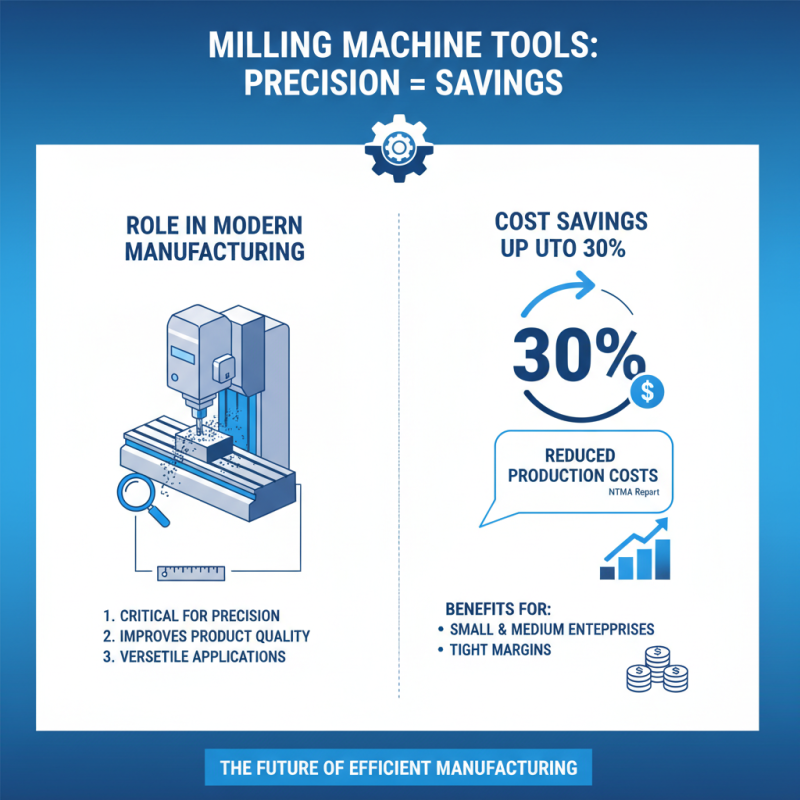
Milling machine tools play a critical role in modern manufacturing. The precision they offer translates directly to cost savings. According to a report by the National Tooling and Machining Association (NTMA), effective milling techniques can reduce production costs by up to 30%. This figure is significant, especially for small to medium-sized enterprises that operate on tight margins.
High-performance milling techniques streamline production processes. They enhance operational efficiency while reducing waste. A report by the Society of Manufacturing Engineers (SME) indicates that companies implementing advanced milling strategies reported a 25% increase in output. However, transitioning to high-performance techniques requires upfront investment and training. Many manufacturers hesitate due to these initial costs, even though the long-term benefits are clear.
Despite the clear economic benefits, not every company adopts this technology. Some struggle with the complexities involved in upgrading their equipment and processes. Others fail to recognize the importance of employee training in maximizing the technology's potential. Successful implementation hinges on balancing investment with strategic planning and workforce development. Investing in milling technology requires commitment and foresight to grasp its true value in modern manufacturing.