2025 How to Optimize Brass CNC Machining for Increased Efficiency
In the era of advanced manufacturing, optimizing brass CNC machining is critical for enhancing operational efficiency and maintaining competitive advantage. According to a 2021 report by the International Federation of Robotics, the global market for CNC machining is projected to grow by 6.3% annually, highlighting an increasing demand for precision and speed in production processes. Brass, known for its excellent corrosion resistance and machinability, presents unique challenges and opportunities in the CNC machining landscape.
Implementing efficient strategies in brass CNC machining not only improves productivity but also contributes to cost savings. A study published in the Journal of Manufacturing Science and Engineering indicates that optimizing machining parameters can lead to a reduction in cycle time by as much as 30%. As manufacturers look to integrate smart technologies and automation, understanding the particular nuances of brass machining becomes imperative. This article explores methodologies and tools designed to maximize efficiency in brass CNC machining, ensuring high-quality output while minimizing waste and downtime.

Overview of Brass CNC Machining Processes and Applications
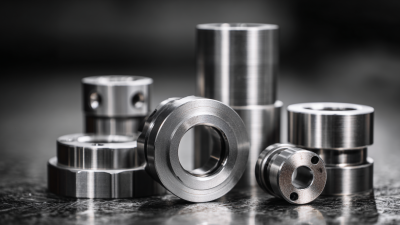
CNC machining of brass has become a vital process in various industries due to its excellent machinability and corrosion resistance. Brass is commonly used in applications such as plumbing fittings, electrical connectors, and decorative fixtures. The flexibility of CNC machining allows for precise manufacturing of complex geometries, making it an ideal choice for components that require intricate designs and tight tolerances.
In addition to traditional applications, advancements in CNC technology have expanded the potential for brass machining in newer sectors. The integration of automation and computer-aided design (CAD) software has enabled manufacturers to streamline production, enhance accuracy, and reduce lead times. For instance, industries focused on prototyping and small-batch production can benefit significantly from CNC's capability to quickly adapt to design changes while maintaining high-quality output. This adaptability, paired with the material's inherent advantages, positions brass CNC machining as a cornerstone in manufacturing efficiency and innovation.
2025 How to Optimize Brass CNC Machining for Increased Efficiency
| Process |
Application |
Material Used |
Cycle Time (min) |
Efficiency (%) |
| Turning |
Precision Components |
C28000 Brass |
5 |
85 |
| Milling |
Automotive Parts |
C36000 Brass |
8 |
90 |
| Drilling |
Plumbing Fittings |
C21000 Brass |
6 |
88 |
| Grinding |
Electrical Connectors |
C33000 Brass |
7 |
92 |
| Bending |
Musical Instruments |
C38500 Brass |
10 |
80 |
Key Factors Impacting Efficiency in Brass CNC Machining
When it comes to optimizing brass CNC machining for enhanced efficiency, several key factors play a crucial role. Firstly, selecting the right cutting tools is essential. High-quality carbide tools with appropriate coatings can significantly improve durability and performance. This choice directly affects machining speed and precision, leading to a faster turnaround time.
**Tips:** Consider investing in advanced tooling technology that is specifically designed for brass. Regularly inspect and maintain your tools to ensure they operate at peak efficiency, as dull or worn tools can slow down production and degrade part quality.
Another important factor is the optimization of machining parameters such as feed rate, spindle speed, and depth of cut. Adjusting these parameters based on specific brass alloys can lead to reduced cycle times and lower operational costs. Additionally, using simulation software can help predict and mitigate potential bottlenecks before they affect production.
**Tips:** Regularly analyze performance data to identify trends and areas for improvement. Implementing a continuous feedback loop helps in refining machining strategies, ultimately resulting in more efficient brass CNC operations.
Techniques for Reducing Downtime in CNC Machining Operations
In the realm of CNC machining, reducing downtime is crucial for enhancing operational efficiency, particularly when working with materials like brass. According to a report from the Metalworking Industry report, minimizing downtime can increase productivity by up to 20%. Implementing advanced scheduling techniques and predictive maintenance can significantly contribute to this goal. Utilizing software that integrates real-time data analytics can help identify potential machine failures before they occur, thus preventing unexpected stoppages.
Moreover, optimizing tool management plays a vital role in minimizing downtime. A study from the International Journal of Advanced Manufacturing Technology suggests that effective tool inventory management can decrease tool changeover times by as much as 30%. By employing a proactive approach to tool maintenance and employing modular tooling systems, CNC machining operations can streamline processes and reduce the overall time lost during tool setup and replacement. Incorporating these techniques not only leads to a more efficient machining process but also ensures that the output quality of brass components remains high.
Tools and Technologies for Enhancing CNC Machining Performance
The landscape of CNC machining is evolving rapidly with the integration of advanced tools and technologies aimed at enhancing performance. Recent reports indicate that the implementation of digital manufacturing technologies can increase productivity by up to 30% across various industries. Companies are increasingly adopting sophisticated CNC equipment that employs real-time data to optimize machining processes, leading to improved precision and cycle times.
At events like EMO Hannover 2025, new cutting tools are showcased, presenting innovative designs that offer greater efficiency and accuracy in machining brass components. With these advancements, manufacturers can expect to reduce downtime and material waste significantly. Research focusing on the optimization of machine tool designs, such as utilizing the Taguchi method for enhanced performance, underscores the critical importance of engineering precision.
**Tips:** When selecting cutting tools, consider the specific material properties of brass and choose high-speed steel or carbide grades that can handle elevated temperatures. Regularly monitor tool wear to maintain optimal machining conditions. Additionally, integrating IoT solutions can greatly facilitate predictive maintenance, ensuring your CNC machinery operates at peak efficiency.
Best Practices for Quality Control in Brass Machining Processes
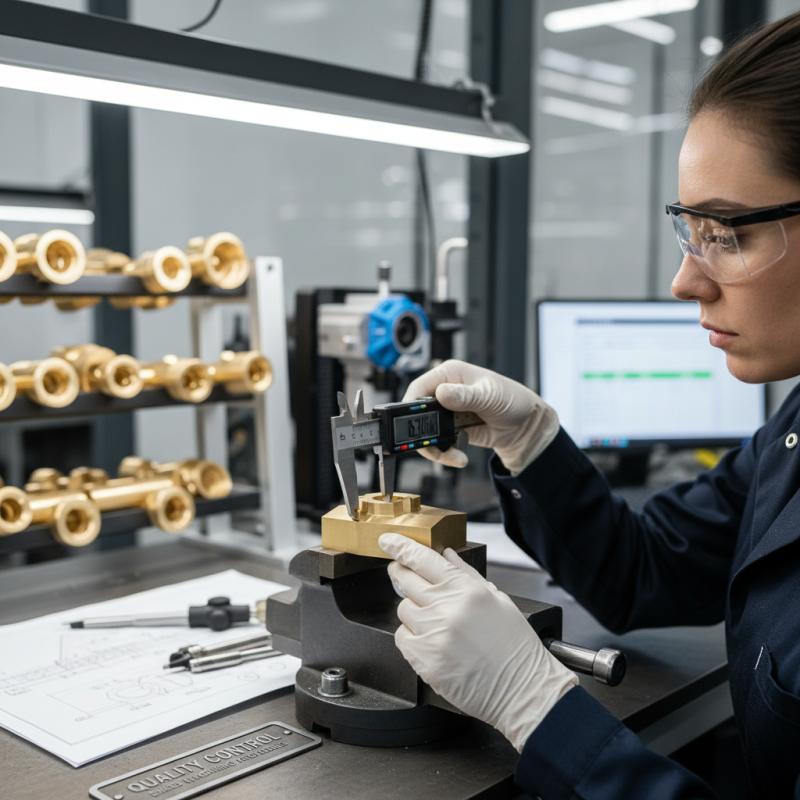
Quality control in brass machining processes is essential for achieving optimal results in efficiency and product reliability. One of the best practices to enhance quality is the implementation of rigorous inspection protocols at various stages of machining. Utilizing high-precision gauges and measurement tools ensures that the dimensions of the machined parts meet the required specifications. Consistent monitoring during the production process can help identify defects early, reducing waste and saving time.
Another critical aspect of quality control is the regular maintenance and calibration of CNC machines. Keeping equipment in optimal condition not only enhances precision but also prolongs its lifespan, which can lead to increased productivity. Moreover, training machine operators in best practices and quality standards empowers them to make informed decisions and adjustments during the machining process. By fostering a culture of quality awareness, manufacturers can significantly improve their brass machining operations, ensuring that they consistently deliver high-quality products while maximizing efficiency.