
10 Tips for Choosing the Right Mechanical Seals

Choosing the right Mechanical Seals can determine whether a pump runs reliably or stops during a critical shift. A seal may look small, yet it manages pressure, heat, friction, and chemical exposure inside demanding equipment. One unsuitable material can create leakage, excessive wear, or unexpected maintenance costs.

This guide shares ten practical tips for making a more confident selection. It considers fluid type, temperature, pressure, shaft speed, equipment design, and operating conditions. For example, a seal handling hot water may need different elastomers than one exposed to abrasive slurry. Face materials also matter. Carbon, ceramic, silicon carbide, and tungsten carbide each perform differently under specific conditions.

Experience shows that specifications alone do not guarantee success. Installation quality, shaft alignment, lubrication, and flushing arrangements can change the result. Small details matter. A scratched face matters. So does a dry start. Checking the pump manual and consulting a qualified seal supplier can prevent avoidable mistakes. Relevant industry practices, including API 682 guidance where applicable, may also support a sound decision.

No selection method is perfect. I have seen well-designed seals fail because the real operating conditions differed from the original data sheet. That is why reviewing pressure spikes, cleaning cycles, idle periods, and maintenance history remains essential. These ten tips are intended to support careful evaluation, not replace engineering judgment. Reliable performance begins with accurate information, realistic expectations, and a willingness to question assumptions.
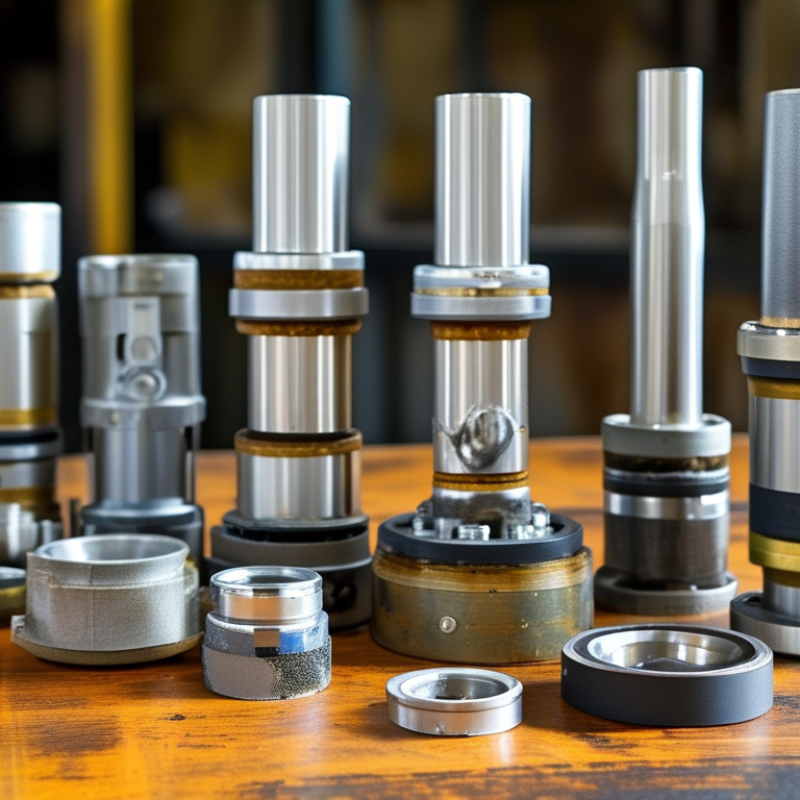
10 Tips for Choosing the Right Mechanical Seals

Define the Seal’s Operating Conditions and Application Requirements

10 Tips for Choosing the Right Mechanical Seals

Define the seal’s operating conditions before comparing designs or materials. Record the fluid, temperature, pressure, shaft speed, and expected service hours. Include normal values and short-term peaks. A pump may run at 80°C normally, but cleaning cycles can raise the temperature considerably. Those peaks matter.

Application details are equally important. Check the shaft diameter, equipment movement, available installation space, and alignment quality. Identify whether the fluid contains abrasive particles, crystals, gas, or corrosive chemicals. Consider startup conditions carefully. A seal may briefly run dry, face vibration, or experience pressure changes during commissioning. These events often cause damage before steady operation begins. Small details matter.

Material compatibility should be checked against the actual fluid concentration and temperature, not a general fluid name. Review face hardness, elastomer expansion, spring corrosion, and lubrication conditions. Ask for test evidence under comparable pressure and speed. Field inspections often reveal that installation errors resemble material failure. I have seen a correctly specified seal fail because the shaft had a sharp edge. The specification was incomplete. Leave room for doubt, and verify measurements on site. A useful selection record should show operating limits, application risks, installation tolerances, and the reason each material was chosen.

Match Seal Materials with the Fluid and Temperature Range

10 Tips for Choosing the Right Mechanical Seals

Match Seal Materials with the Fluid and Temperature Range

A mechanical seal should match the actual fluid, not just its common name. “Water” may contain salt, abrasive particles, solvents, or cleaning chemicals. Check the fluid’s concentration, pH, viscosity, and solid content before selecting materials. A small sample often reveals more than a general equipment description.

Carbon and ceramic faces can suit many clean-water services, while silicon carbide handles abrasive or chemically aggressive conditions better. Elastomers require closer attention. EPDM performs well with water and steam but usually resists oils poorly. FKM often suits oils and elevated temperatures, though it is not compatible with every chemical. PTFE offers broad chemical resistance, but it can deform under pressure and heat.

Temperature selection must include startup, shutdown, dry running, and sudden process changes. A seal rated for 180°C may fail when the fluid flashes locally or the shaft runs without lubrication. I have seen specifications focus on normal temperature and overlook cleaning cycles. That mistake is expensive. Review pressure, speed, shaft movement, and flush conditions with the material choice. Use compatibility charts as a starting point, then confirm the data with controlled testing. Do not rely on one chart alone. Recheck the selection when fluid concentration or operating temperature changes.

10 Tips for Choosing the Right Mechanical Seals - Match Seal Materials with the Fluid and Temperature Range
Tip Fluid or Service Commonly Suitable Seal Materials Typical Temperature Range* Material Selection Guidance Important Caution
1 Clean water and general-purpose liquids Carbon/ceramic or carbon/silicon carbide faces; EPDM or NBR elastomer Approximately -30°C to 120°C Use EPDM for water, dilute aqueous solutions, and many mild chemicals. NBR is suitable where oil contamination may occur. Confirm compatibility with disinfectants, dissolved gases, and any treatment chemicals.
2 Hot water and light steam service Silicon carbide faces; EPDM or high-temperature elastomer; stainless steel metal parts Approximately 100°C to 180°C Choose materials rated for the actual fluid temperature, pressure, and cycling frequency. Silicon carbide offers good wear and corrosion resistance. Steam service may require a seal design specifically intended for steam; ordinary water seals may fail prematurely.
3 Mineral oils, hydraulic fluids, and lubricating oils Carbon/SiC faces; NBR or FKM elastomer NBR: approximately -30°C to 100°C
FKM: approximately -20°C to 200°C
NBR is economical for moderate temperatures. FKM is preferable for higher temperatures, fuels, and many petroleum-based fluids. Synthetic hydraulic fluids and additives can have different compatibility requirements than mineral oils.
4 Fuels and aromatic hydrocarbons Silicon carbide or tungsten carbide faces; FKM or PTFE-based secondary seals Approximately -20°C to 180°C Use FKM for many fuel applications and consider PTFE when chemical resistance or low permeability is important. Fuel composition, oxygen content, pressure, and rapid decompression can significantly affect seal life.
5 Acidic fluids and aggressive chemicals Silicon carbide faces; PTFE or chemically resistant perfluoroelastomer; corrosion-resistant metal parts Approximately -50°C to 200°C, depending on the compound Select the elastomer and metal parts from a verified chemical-compatibility chart. Silicon carbide is often preferred for corrosive or abrasive chemical services. Chemical compatibility depends on concentration, temperature, exposure time, and contamination; do not rely on fluid name alone.
6 Alkaline cleaners and caustic solutions Silicon carbide faces; EPDM or PTFE-based secondary seals Approximately -40°C to 150°C EPDM performs well with many water-based alkaline solutions. PTFE is useful when the chemical concentration or temperature exceeds elastomer limits. Some alkaline solutions attack specific metals; verify the spring, retainer, and shaft materials as well as the seal faces.
7 Solvents and low-lubricity liquids Silicon carbide faces; PTFE or FKM secondary seals Approximately -50°C to 200°C Use hard, wear-resistant faces and materials with low swelling. PTFE can provide broad chemical resistance, while FKM suits many hydrocarbon-based solvents. Poor lubrication can cause face damage; evaluate cooling, flush arrangements, speed, and vaporization risk.
8 Abrasive slurries and fluids containing solids Silicon carbide/silicon carbide or tungsten carbide faces; robust elastomer suited to the fluid Approximately -30°C to 150°C Hard-on-hard face combinations resist abrasive wear. A slurry-compatible seal design and a clean flush may be more important than elastomer selection alone. Particle size, hardness, concentration, and shaft speed can rapidly reduce seal life; avoid soft carbon faces unless specifically engineered for the service.
9 Food, pharmaceutical, and hygienic liquids Silicon carbide or ceramic faces; EPDM, FKM, or PTFE components suitable for the process Approximately -40°C to 150°C Choose smooth, cleanable materials with appropriate regulatory and hygienic documentation. EPDM is common for hot water and cleaning solutions. Material approval alone does not ensure hygienic performance; dead spaces, surface finish, drainage, and cleaning procedures also matter.
10 High-temperature or oxygen-containing service Silicon carbide faces; high-temperature secondary seals such as FKM or PTFE-based materials; suitable metal parts Approximately 150°C to 250°C, subject to design limits Check the maximum continuous temperature, thermal cycling, pressure, and face lubrication conditions. Use only materials specifically qualified for oxygen service when applicable. Oxygen service requires careful control of cleanliness, ignition risk, frictional heating, and material approval; standard petroleum lubricants may be unsuitable.
*Temperature ranges are general guidance for common material grades, not guaranteed operating limits. Final selection should be based on the exact fluid composition, concentration, pressure, shaft speed, leakage requirements, operating cycle, and the manufacturer's compatibility and pressure-temperature data.

Choose the Correct Seal Design, Size, and Pressure Rating

10 Tips for Choosing the Right Mechanical Seals

Choose the Correct Seal Design, Size, and Pressure Rating

Start with the pump’s shaft diameter, housing dimensions, and available installation space. Measure twice. A small sizing error can create leakage, vibration, or premature face wear. Select a seal design that matches the equipment’s movement, including rotating, reciprocating, or stationary service. Consider the fluid carefully. Abrasive slurry, hot water, solvents, and food-grade liquids require different face and elastomer materials.

Pressure changes everything. Check both normal and maximum pressure, including startup surges and pressure reversals. A seal that works at 6 bar may fail when the system briefly reaches 10 bar. Match the pressure rating to the actual operating range, not an ideal estimate. Temperature, shaft speed, and dry-running risk also affect the design. A balanced arrangement may reduce face loading in higher-pressure applications.

I once saw a replacement seal selected by diameter alone. It fitted physically but overheated within days. That mistake was avoidable. Review equipment drawings, operating logs, and the original failure pattern before ordering. Confirm face flatness, spring direction, and installation tolerances.

Inspect the shaft sleeve for scoring or corrosion. Keep records. A reliable selection also includes clearance checks, pressure testing, and clear maintenance instructions. Some recommendations remain uncertain when operating data is missing, so state those limits openly.

Evaluate Installation Needs, Maintenance, and Service Life

Choosing a mechanical seal starts with the installation environment, not the catalog description. Check shaft size, equipment speed, pressure, temperature, and fluid properties. A seal that fits the shaft may still fail in abrasive or crystallizing fluids. During installation, inspect the sleeve, gland face, and shaft for scratches. Even a small nick can create a leak path. Keep faces clean and use the correct setting dimensions.

Tips: Measure the available space before ordering. Confirm whether the equipment requires a cartridge or component seal. Record operating conditions during start-up, not only during normal production. This evidence helps you choose accurately.

Maintenance planning should influence the seal design. Ask whether operators can access the seal without removing major equipment. Plan inspections around vibration, leakage, flush pressure, and temperature. A slight drip may signal wear, poor alignment, or dry running. Do not tighten components blindly. That can increase friction and heat. I once treated leakage as a seal problem, but misalignment caused the repeated failures. My initial judgment was wrong.

Service life depends on more than material selection. Stable lubrication, clean flushing, accurate alignment, and controlled start-ups all matter. Review maintenance records after each replacement. Compare running hours, failure symptoms, and installation conditions. Some seals last longer than expected; others fail early because the process changed. Leave room for uncertainty. Real equipment rarely behaves like a test bench.

Compare Quality, Compatibility, Cost, and Supplier Support

10 Tips for Choosing the Right Mechanical Seals

Compare Quality, Compatibility, Cost, and Supplier Support

Start with the operating facts, not the catalog picture. Record fluid chemistry, temperature, pressure, shaft speed, shaft size, chamber dimensions, and startup conditions. Check seal-face materials, elastomers, springs, and metal parts against those conditions. A seal may fit mechanically but fail chemically. Verify dimensions against applicable standards, such as API 682, when the service requires it.

Quality should include measurable evidence. Request material certificates, inspection records, face-flatness results, pressure-test data, and batch traceability. Clean packaging matters, especially in abrasive or hygienic applications. The U.S. Department of Energy reports that pumping systems can consume 25–50% of industrial facility electricity. A leaking seal can increase energy loss, product waste, and maintenance exposure. The cheapest purchase is rarely the cheapest operation. Still, high price does not prove quality. That assumption needs challenging.

Compare total cost over the expected service period. Include installation time, spare parts, downtime, disposal, and emergency freight. Ask whether the supplier provides drawings, fitting guidance, failure analysis, and responsive technical support. Request clear lead times and realistic stock information. A useful supplier should explain why a material was selected, not simply recommend a replacement. Field experience shows that small installation errors can destroy excellent seals. I have seen specifications become too complicated. Keep the final choice practical, documented, and reviewable. Use the DOE sourcebook and relevant industry standards as independent reference points.

10 Tips for Choosing the Right Mechanical Seals

Compare quality, compatibility, operating conditions, total cost, and supplier support before selecting a mechanical seal.

The chart presents a practical engineering review weighting for seal selection. Material quality and fluid compatibility receive the highest emphasis, while lifecycle cost and supplier support help reduce installation, maintenance, and replacement risks.

Article Source:

Scroll to Top