
2026 Top Chrome Iron Furnace Types for Global Buyers

Choosing a Chrome Iron Furnace is not simply a matter of comparing rated capacity. The right design depends on the alloy, production volume, available power, and required temperature control. Buyers may encounter induction furnaces, electric arc furnaces, and other melting systems, each with different operating demands. Fit comes first.

Induction systems can offer responsive temperature control and a compact footprint, while arc furnaces may suit larger operations with appropriate electrical infrastructure. These are starting points, not universal rules. A foundry producing high-chromium castings has different priorities from a plant making ferrochrome or handling varied charge materials. Details matter. Check the furnace’s working capacity, lining requirements, cooling arrangement, controls, and expected maintenance intervals. Ask suppliers for reference installations and technical documentation that match your intended process. Also confirm local service availability and spare-parts lead times before comparing prices.

This 2026 guide introduces major Chrome Iron Furnace types for global buyers and explains where their trade-offs may matter. It also highlights questions to ask about energy use, operator training, safety systems, and installation needs. A specification sheet can look convincing, yet say little about performance under a buyer’s actual production schedule. That is worth remembering. No single ranking can replace a process review with qualified engineers and equipment suppliers. Use the comparisons as a practical shortlist, then verify each claim against your feed materials, site conditions, and production goals.
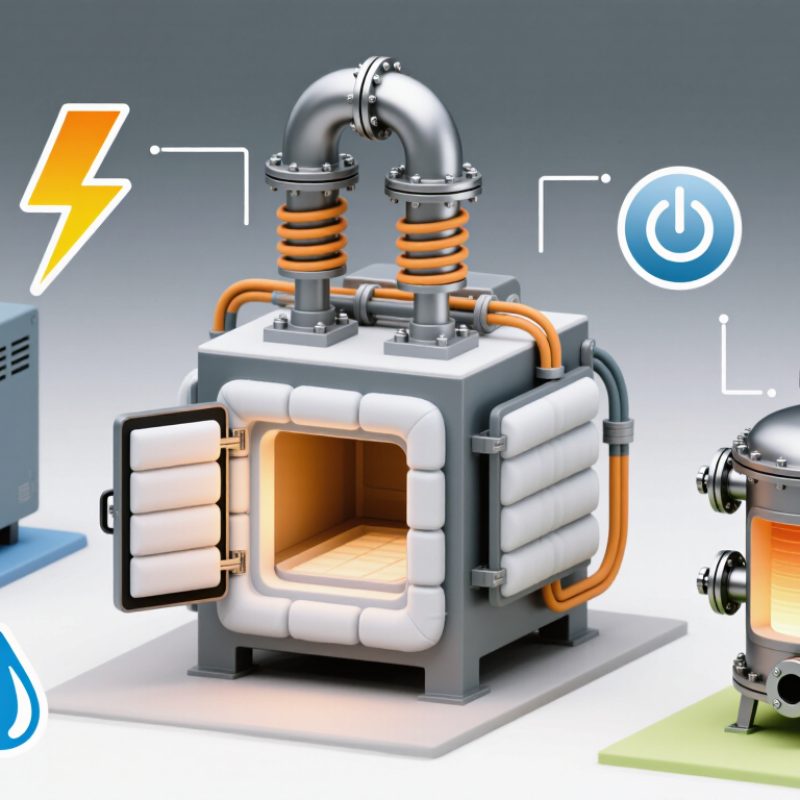
2026 Top Chrome Iron Furnace Types for Global Buyers

What Is a Chrome Iron Furnace and What Is It Used For?

A chrome iron furnace is an industrial furnace used to smelt chromium-bearing ore and produce ferrochrome, an alloy of iron and chromium. The name can be confusing: it does not usually mean a furnace that simply melts chrome-plated iron. In production, prepared ore is heated with a carbon source, such as coke, so chromium oxides can be reduced and separated from slag.

A submerged arc furnace is widely used for high-carbon ferrochrome. Carbon electrodes pass electricity through the furnace charge, creating intense heat beneath the surface. Operators monitor electrode position, power input, feed size, and slag condition. A steady charge helps maintain production, but real ore varies, so settings need adjustment. Small changes matter.

Other furnace arrangements serve different duties. Electric arc furnaces can melt or refine alloys, while induction furnaces are often used to melt ferrochrome for controlled casting or smaller batches. The choice depends on output, product chemistry, energy supply, and maintenance needs. Ferrochrome is added to stainless steel and other alloys to improve corrosion resistance, hardness, or performance at high temperatures. Buyers should also ask about refractory life, dust collection, process control, and the intended alloy grade. A furnace may look suitable on paper, yet its operating costs can tell a less comfortable story.

How a Chrome Iron Furnace Converts Chromite into Ferrochrome

A common chrome iron furnace is a submerged-arc electric furnace, where prepared chromite is smelted with carbon reductant and flux. Electric current passes through the burden, generating intense heat. Carbon removes oxygen from chromium and iron oxides, forming molten ferrochrome beneath a separate slag layer. Operators tap the alloy periodically and monitor feed size, chromium-to-iron ratio, and carbon levels. Heat is only part. Stable feed chemistry matters too.

The USGS Mineral Commodity Summaries 2025 estimates 2024 world chromite mine production at about 46 million metric tons. Worldstainless’s Stainless Steel in Figures 2024 reports 58.4 million tonnes of global stainless-steel melt-shop production in 2023, an important downstream market for ferrochrome. These figures describe market scale, not furnace output or recovery. In practice, slag separation and energy use vary with ore quality and furnace control; the textbook process is less tidy. Global buyers should compare furnace capacity, feed flexibility, power demand, and alloy specifications against local ore characteristics. A higher nominal capacity alone does not guarantee efficient production.

2026 Top Chrome Iron Furnace Types for Global Buyers - How a Chrome Iron Furnace Converts Chromite into Ferrochrome

A practical comparison of furnace technologies and the main stages that turn chromite ore into ferrochrome. Furnace selection depends on ore chemistry, feed preparation, product grade, energy supply, and environmental requirements.

Furnace or Process Stage Typical Feed and Operating Principle Typical Product or Role Buyer Considerations
Furnace Technologies
AC Submerged Arc Furnace (SAF) Uses carbon electrodes and an electrically heated burden, commonly containing prepared chromite, carbonaceous reductant, and flux. The electrodes are immersed in the burden during smelting. The established industrial route for producing high-carbon ferrochrome from chromite. Evaluate ore Cr/Fe ratio, gangue, particle size, reductant quality, electrical capacity, furnace design, and emissions-control systems. Fine ore generally needs agglomeration or another suitable feed-preparation step.
Closed or Sealed Submerged Arc Furnace A submerged arc furnace enclosed to collect furnace gas. The recovered gas may be treated and used as an energy source where the plant configuration permits. Usually high-carbon ferrochrome; the enclosure describes furnace configuration rather than a different reduction chemistry. Assess gas cleaning, safe gas handling, plant integration, maintenance access, and local environmental requirements. “Closed” and “open” refer to enclosure and gas handling, not separate alloy grades.
Open or Semi-Closed Submerged Arc Furnace Uses the same general submerged-electrode smelting principle, with a more open or partially enclosed furnace top and different off-gas collection arrangements. Commonly used for high-carbon ferrochrome production, depending on plant design and feed. Compare off-gas capture and dust-control arrangements, heat losses, operating conditions, and applicable emissions standards. Confirm that the configuration suits the site’s permitting requirements.
DC Arc Furnace Uses direct-current arc heating. Some designs can accommodate fine or otherwise challenging feeds, subject to furnace configuration and feed preparation. Can be used for ferrochrome smelting in specialized installations; it is not as widely applied as AC submerged arc technology. Review electrode and power-system requirements, feed characteristics, operating experience, and lifecycle costs. Suitability for fines is design-specific and should be verified with testwork.
Plasma Arc Furnace Uses a plasma torch as a heat source and may be configured for specialized smelting applications and particular feed types. A specialized option rather than the standard large-scale benchmark for chromite-to-high-carbon-ferrochrome production. Request demonstrated operating data for the proposed ore and product. Compare power demand, throughput, equipment complexity, maintenance, and commercial references before selection.
Low-Carbon Ferrochrome Refining Route Low-carbon grades are generally made through a separate refining or reduction route, such as silicothermic processing, rather than by relying on a conventional high-carbon SAF product alone. Low-carbon or medium-carbon ferrochrome, depending on the process and final refining controls. Specify carbon, silicon, chromium, and other impurity limits in the product specification. Confirm the proposed process route and refining steps with the supplier; furnace type alone does not define the alloy grade.
How Chromite Becomes Ferrochrome
1. Ore Characterization and Beneficiation Chromite is sampled and analyzed for chromium, iron, gangue minerals, moisture, and size distribution. Where appropriate, physical beneficiation upgrades the feed. A more consistent chromite concentrate or selected ore blend. Ask for representative chemical analyses and size data. Chromium-to-iron ratio and gangue content influence alloy chemistry, slag volume, and smelting performance.
2. Feed Preparation Ore or concentrate is sized and blended with carbonaceous reductant and, where required, flux. Fine material may be agglomerated into pellets or briquettes. A controlled burden suitable for the selected furnace. Check moisture, strength, sizing, reductant properties, and the furnace’s accepted feed specification. Agglomeration requirements depend on the furnace and plant design.
3. Drying, Preheating, or Pre-reduction Depending on plant configuration, feed may be dried, preheated, or partially pre-reduced before entering the smelting furnace. Prepared hot or pretreated feed that can reduce heat and process demands in the smelting stage. These steps are not identical across plants. Confirm whether they are included in the project scope and how their energy use and off-gas systems are managed.
4. Smelting and Carbothermic Reduction Electrical energy supplies heat while carbon reacts with oxygen-bearing compounds in chromite. Chromium and iron are reduced and combine into a molten alloy; gangue and flux form slag. Molten ferrochrome alloy and a separate slag phase. Actual operating conditions depend on ore composition, furnace design, and the target alloy. Chromium recovery and energy consumption should be assessed using representative ore testwork and plant data.
5. Tapping and Slag Separation Molten alloy and slag are tapped from the furnace and separated according to their different physical properties. Ferrochrome metal for further treatment, alongside process slag. Review tapping practice, metal losses to slag, slag handling, and any recovery or reuse plans permitted by local regulations.
6. Refining, Casting, and Product Verification The alloy may be refined to meet the required grade, then cast, cooled, and prepared for shipment. Product chemistry is checked against the agreed specification. Saleable ferrochrome in the specified grade and physical form. Define chromium, carbon, silicon, phosphorus, sulfur, size, and packaging requirements in the purchase specification. Sampling and inspection procedures should be agreed before shipment.

Note: Furnace configuration, feed limits, alloy chemistry, recovery, and energy consumption vary by ore and plant design. Treat performance figures as site-specific and request independent testwork or verifiable operating data for the intended feed.

Which Furnace Types Are Used for Chrome Iron Production?

Chrome iron, commonly called ferrochrome, is produced mainly in submerged arc furnaces. These electric furnaces reduce chromite ore with carbon, usually using coke or another suitable reductant. Their buried electrodes heat a deep charge, while operators control power, feed rate, and slag tapping. The USGS Mineral Commodity Summaries 2025 estimates global chromite mine output at about 44 million metric tons in 2023. That scale helps explain the widespread use of large electric furnaces, though ore quality and electricity costs shape each plant’s choice.

Feed matters. High-carbon ferrochrome commonly uses a conventional submerged arc furnace, available in open, semi-closed, and closed designs. Closed furnaces capture process gas, while open designs are simpler but offer less direct gas recovery. Direct-current arc furnaces can handle fine or difficult feeds in some operations, but their equipment and operating requirements differ. A blast furnace is a less common option for ferrochrome today.

The label alone is not enough. A buyer should check feed size, chromium-to-iron ratio, moisture, reductant needs, and local power reliability. Fine ore may need agglomeration before entering a submerged arc furnace; skipping that detail can disrupt permeability and furnace stability. Published process data offer useful benchmarks, but they cannot replace trials with the actual ore. Real feed behaves unevenly.

How Chrome Iron Furnace Designs Differ in Operation and Output

2026 Top Chrome Iron Furnace Types for Global Buyers

Chrome iron furnace designs differ in how they handle ore, electricity, and furnace gases. Submerged arc furnaces are widely used for producing high-carbon ferrochrome. Their electrodes descend into a burden of chromite, coke, and flux, creating heat beneath the surface.

Closed designs capture process gas, while open or semi-closed designs provide different access for charging and maintenance. Heat is only part. Ore size and carbon control also affect furnace stability and alloy quality.

Direct-current arc furnaces can suit certain fine-feed operations, but their economics depend on power supply, feed preparation, and plant scale. Output is not determined by furnace size alone. Buyers should compare expected tonnes per day alongside alloy grade, electricity use, slag volume, and tapping schedules.

Ask for operating data based on ore similar to yours. Details matter. A neat specification sheet may hide differences in feed moisture or reductant quality.

One assumption deserves a second look: the highest nameplate capacity may not deliver the steadiest production when local materials vary.

How Global Buyers Can Compare Chrome Iron Furnaces in 2026

2026 Top Chrome Iron Furnace Types for Global Buyers
How Global Buyers Can Compare Chrome Iron Furnaces in 2026

For ferrochrome production, compare submerged-arc furnace designs against your actual ore blend, reductant, and power supply. The USGS Mineral Commodity Summaries 2025 estimates global chromite mine output at about 43 million metric tons in 2024; South Africa produced roughly 18 million. Supply concentration makes feed flexibility worth checking. Ask suppliers for performance data using ore similar to yours, not only ideal test material.

Compare AC and DC designs by specific energy consumption, electrode use, furnace availability, and metal recovery. Request the measurement boundaries behind each figure. Does reported energy include dust collection and material handling? Check tap-hole layout, refractory life, cooling systems, and maintenance access. Small details matter. A fast electrode change can save production hours, but only if the plant team can perform it safely and consistently.

Demand context matters, too. worldstainless reported 58.4 million metric tons of global stainless-steel production in 2023, up 4.6% year over year. That supports attention to scalable capacity, but it does not guarantee local ferrochrome demand. Compare lifecycle cost, commissioning support, emissions controls, and spare-parts lead times. One uncomfortable point: quoted efficiency rarely predicts the first operating campaign perfectly. Independent references help; real plants differ.

2026 Top Chrome Iron Furnace Types for Global Buyers

How Global Buyers Can Compare Chrome Iron Furnaces in 2026

How to read this chart: Bars show the midpoint of indicative tapping-temperature ranges: blast furnace, approximately 1,450–1,550°C; submerged arc furnace (SAF), approximately 1,700–1,800°C; and DC arc furnace, approximately 1,700–1,800°C. Actual temperatures depend on feed, alloy grade, and operating practice. Use these figures as a starting point—not as equipment specifications—and confirm requirements with furnace suppliers.

Scroll to Top