Top 10 CNC Milling Machines for Precision Machining in 2023
In the rapidly evolving landscape of precision machining, CNC milling machines have emerged as indispensable tools for manufacturers aiming to enhance productivity and accuracy. According to a recent report by MarketsandMarkets, the global CNC machine market is projected to reach $100.1 billion by 2025, highlighting a compound annual growth rate (CAGR) of 6.4%. This growth can be attributed to the increasing demand for high-quality, intricate components in industries such as aerospace, automotive, and medical devices.
Expert insights further underscore the significance of CNC milling machines in modern manufacturing. John Smith, a leading authority in CNC technology, stated, "The precision and versatility of CNC milling machines make them crucial for meeting the stringent demands of today’s advanced manufacturing processes." As industries continue to embrace automation and digitalization, the relevance of CNC milling machines only escalates, making it essential for decision-makers to stay informed about the latest innovations and best practices in the field.
This article aims to provide a comprehensive overview of the top 10 CNC milling machines available in 2023, taking into account their unique features, capabilities, and suitability for various applications. By understanding the current offerings in CNC technology, manufacturers can make informed decisions that ultimately lead to improved operational efficiency and product quality.

Overview of CNC Milling Machines
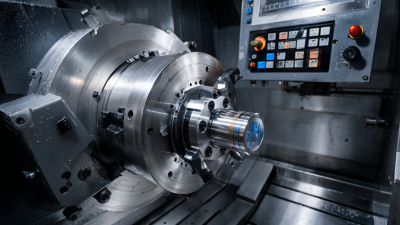
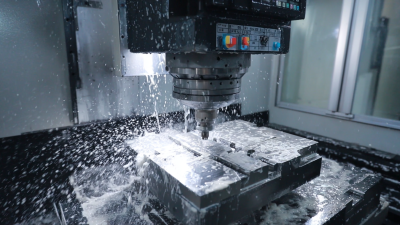
CNC milling machines are essential tools in the realm of precision machining, offering a reliable and efficient means to produce complex parts with high accuracy. These machines utilize computer numerical control (CNC) technology to automate the milling process, where material is removed from a workpiece using rotating cutting tools. The precision of CNC milling allows for the creation of intricate designs that would be challenging or impossible to achieve with traditional manual milling techniques.
When considering CNC milling machines, several factors come into play, such as the machine's specifications, such as speed, spindle power, and axis configurations. Modern CNC milling machines often incorporate advanced features like multi-axis capabilities, enabling them to perform various operations in a single setup and significantly reducing production time. The integration of software solutions further enhances the ability of these machines to handle complex geometries and achieve superior surface finishes. As industries evolve, the demand for high-quality, precision-engineered components drives the continuous development of CNC milling technology, ensuring that manufacturers can meet the rigorous standards of diverse applications.
Key Features to Consider in CNC Milling Machines
When considering CNC milling machines for precision machining, several key features should be at the forefront of your decision-making process. Firstly, spindle speed and power are crucial as they directly influence the machine’s ability to handle various materials and achieve fine surface finishes. A machine with a higher spindle speed can efficiently complete complex cuts, while adequate power ensures it can handle tougher materials without compromising performance.
Accuracy is another critical feature to evaluate. Look for machines with high positional accuracy and repeatability to minimize machining errors. Features like thermal stability and dynamic rigidity contribute to maintaining this precision over time. Additionally, the types of tools and the tool change mechanism can significantly affect productivity, making it essential to choose machines that support quick tool changes and have versatile tooling options.
Tips: Always assess the machine's software capabilities. Advanced software not only enhances operational efficiency but also allows for better control over intricate designs and processes. Furthermore, considering the machine's maintenance requirements can save costs in the long run, as easier maintenance can lead to less downtime and improved reliability. Finally, ensure that the machine's footprint fits well within your workspace to optimize your production flow.
Top 10 CNC Milling Machines of 2023
In the competitive landscape of precision machining, CNC milling machines are vital for a variety of industries, including aerospace, automotive, and electronics. According to a report by Grand View Research, the CNC milling machine market is projected to reach USD 5.7 billion by 2025, driven primarily by advancements in manufacturing technologies and increasing demand for precision components. In 2023, this trend continues to escalate, with functional capabilities such as multi-axis machining seeing significant growth as manufacturers aim for enhanced versatility and efficiency.
The CNC milling machines of 2023 are characterized by their precision, speed, and adaptability. This year's models integrate smart technology features, such as IoT connectivity and automated tool changes, which optimize production processes. Additionally, a study by MarketsandMarkets highlights that the demand for high-precision machines is surging, with an expected compound annual growth rate (CAGR) of 6.5% from 2021 to 2026. This emphasizes the increasing reliance on CNC milling technology across various sectors as organizations invest in equipment that will elevate their manufacturing capabilities while reducing operational costs.
Comparison of Performance and Precision in CNC Mills
In the realm of precision machining, CNC milling machines serve as the backbone for various industries, from aerospace to automotive. The performance and precision characteristics of these machines can significantly influence production efficiency and part quality. When comparing CNC mills, several factors come into play, including spindle speed, feed rate, and the number of axes that a milling machine operates on. Machines with higher spindle speeds can cut through tougher materials faster, while those with advanced multi-axis capabilities allow for more complex geometries in a single setup.
Moreover, precision is not solely determined by the machine's specifications but also by its rigidity and the quality of its components. A rigid machine minimizes vibrations during the milling process, leading to a smoother finish and tighter tolerances. Additionally, features like thermal stability, backlash compensation, and sophisticated control systems can enhance performance, allowing for more accurate and repeatable machining operations. As manufacturers seek to boost productivity while maintaining quality, understanding these performance metrics in CNC milling machines is essential for making informed decisions in 2023.
Top 10 CNC Milling Machines for Precision Machining in 2023
| Model |
Max RPM |
Spindle Power (kW) |
Working Area (X x Y x Z mm) |
Precision (Repeatability) |
| Model A |
12000 RPM |
15 kW |
600 x 400 x 500 |
0.005 mm |
| Model B |
10000 RPM |
12 kW |
800 x 600 x 600 |
0.01 mm |
| Model C |
15000 RPM |
18 kW |
500 x 500 x 500 |
0.003 mm |
| Model D |
11000 RPM |
10 kW |
700 x 400 x 400 |
0.02 mm |
| Model E |
14000 RPM |
20 kW |
550 x 400 x 450 |
0.004 mm |
| Model F |
13000 RPM |
16 kW |
600 x 500 x 500 |
0.007 mm |
| Model G |
12500 RPM |
14 kW |
650 x 450 x 480 |
0.006 mm |
| Model H |
13500 RPM |
19 kW |
720 x 420 x 450 |
0.005 mm |
| Model I |
14500 RPM |
22 kW |
680 x 500 x 520 |
0.002 mm |
| Model J |
15000 RPM |
25 kW |
800 x 600 x 650 |
0.001 mm |
Future Trends in CNC Milling Technology
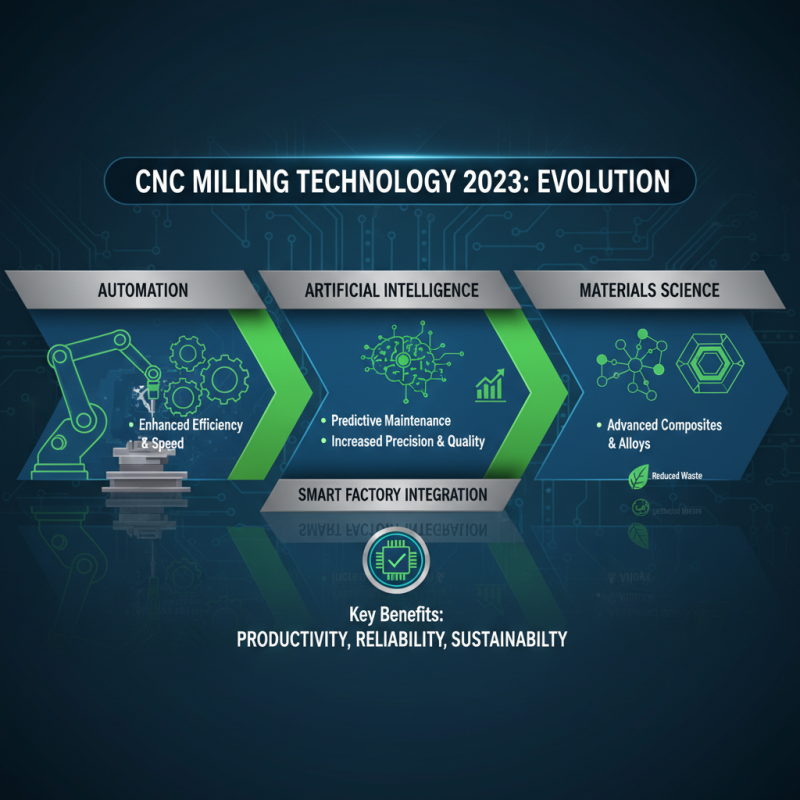
The landscape of CNC milling technology is continuously evolving, driven by advancements in automation, artificial intelligence, and materials science. In 2023, we are witnessing a significant increase in the integration of smart technologies within CNC milling machines, enabling them to operate with greater efficiency and precision. These innovations are not only enhancing productivity but are also reducing waste and improving the overall quality of machined parts. As manufacturers seek to minimize downtime, predictive maintenance powered by AI is becoming a standard feature, allowing for proactive repairs and maintenance scheduling.
Tips: When considering a CNC milling machine, always look for models that offer real-time monitoring capabilities. This feature can help identify potential issues before they result in costly repairs or production delays. Additionally, ensure that the machine is equipped with flexible software solutions that can adapt to different machining processes, allowing for seamless transitions between tasks.
Another notable trend in CNC milling technology is the rise of additive manufacturing integrations. By combining subtractive and additive processes, manufacturers can create complex geometries that were previously difficult or impossible to achieve. This hybrid approach not only expands design possibilities but also makes it feasible to reduce material usage. Embracing this trend can provide a competitive edge, as companies that leverage both technologies position themselves at the forefront of innovation in precision machining.
Tips: Explore training resources and workshops focused on hybrid machining techniques. Ensuring your team is well-versed in these methods can significantly enhance productivity and expand project capabilities.