Choosing the right VMC machine is crucial for efficiency and productivity in modern manufacturing. The global CNC machine market is projected to reach $100 billion by 2026, indicating the growing importance of such equipment in various industries. In this context, a well-selected VMC machine can significantly enhance machining precision and operational efficiency.
When selecting a VMC machine, understanding your specific needs is essential. Factors like size, spindle power, and control systems play a vital role. As reported by industry leaders, a machine that lacks the right specifications can lead to wasted time and resources. Additionally, with innovation continuously advancing, the choices can be overwhelming. Many manufacturers struggle with this decision, leading to mistakes that could have been avoided.
Investing in a VMC machine is about balancing cost and capability. It's crucial to assess not just immediate requirements but future scalability. Companies that fail to do so often find themselves needing an upgrade sooner than expected. Thus, thorough research and careful evaluation are key in making an informed choice.
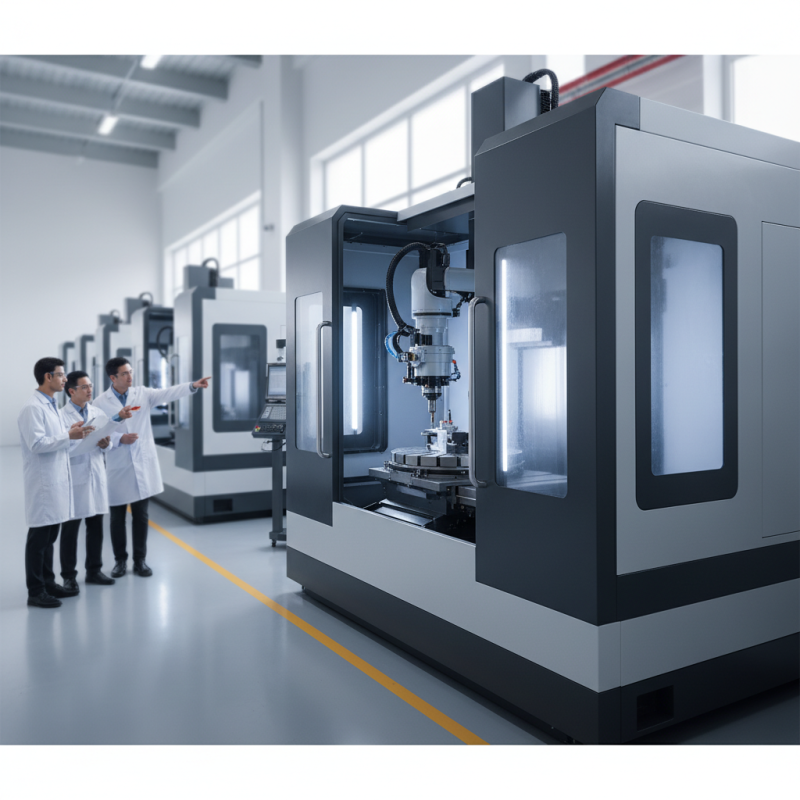
When selecting a VMC machine, understanding your specific machining needs is crucial. Begin by assessing the types of materials you will work with. Different materials require varying approaches. For instance, harder materials may need more robust machines. Identifying these needs helps narrow down options effectively.
Consider the complexity of your projects. If you frequently tackle intricate designs, a machine offering advanced capabilities is essential. Look for details such as spindle speed and axis movement. A versatile machine can adapt to changing project requirements, making it a valuable investment.
One tip is to evaluate the machine's footprint. Ensure it fits within your workshop space while allowing for proper airflow and maintenance access. Another aspect to review is the machine’s usability. A user-friendly interface can save you time, especially when training new operators. Reflect on your long-term goals. You want a machine that will evolve with your business needs.
| Tip No. | Tip | Details |
|---|---|---|
| 1 | Assess Your Needs | Identify the types of parts you will be machining and the materials you'll use. |
| 2 | Consider Machine Size | Ensure the machine has adequate workspace for your parts. |
| 3 | Look at Spindle Speed | Higher spindle speeds allow for faster machining of certain materials. |
| 4 | Evaluate Tool Changes | Consider automatic tool changers for increased efficiency. |
| 5 | Check Accuracy and Precision | Examine the machine's repeatability specifications to ensure it meets your requirements. |
| 6 | Examine Control Systems | User-friendly control systems can enhance productivity. |
| 7 | Review Maintenance Requirements | Choose machines that are easy to maintain to avoid downtime. |
| 8 | Look at Power Consumption | Energy-efficient machines can reduce operational costs. |
| 9 | Consider Resale Value | Select machines known for holding their value for future investment returns. |
| 10 | Seek Expert Opinions | Engage with experienced machinists or industry experts for insights. |
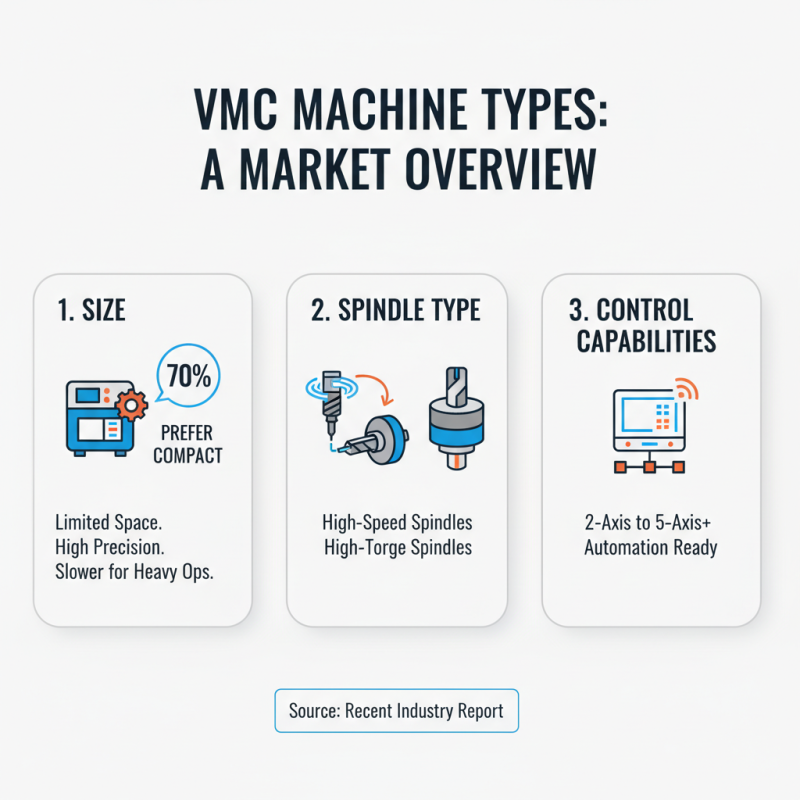
When evaluating the types of VMC machines in the market, it’s essential to consider the different configurations available. Vertical machining centers (VMCs) can be categorized based on size, spindle type, and control capabilities. A recent industry report indicates that 70% of manufacturing businesses prefer compact VMCs for limited space environments. These machines provide excellent precision but may lack speed in heavier operations.
Another factor is the spindle speed. Common spindle speeds range from 8,000 to 30,000 RPM. Machines with higher speeds can significantly enhance productivity in specific applications, such as high-speed machining. Yet, the increase in speed may lead to higher wear rates and maintenance costs. Users must weigh their need for speed against overall reliability and long-term sustainability.
Moreover, control systems also vary among VMCs. Advanced machines feature user-friendly interfaces for complex operations. However, more complicated systems may require extensive training. A survey conducted by a leading industry group noted that 45% of operators felt inadequate training affected their machine's performance. This highlights the necessity for thorough operator education and support to maximize the efficiency of these machines.
When selecting a VMC machine, several key features are crucial. Consider the machine's spindle speed. Higher speeds often lead to better finishes and quicker cycle times. Look for options with variable speeds to adapt to different materials. The feed rate is equally essential. A faster feed rate can enhance productivity but should be balanced with precision requirements.
Accuracy is another critical aspect. Check the machine's repeatability and positional accuracy ratings. These metrics indicate how closely the machine can replicate an operation. Additionally, the control system should be user-friendly. A complex interface may hinder efficiency, especially if operators are not highly trained.
Don’t overlook the machine's size and footprint. Ensure it fits within your workspace, considering both operational space and maintenance access. Reflect on your future needs. Investing in a machine that can accommodate growth is wise, but avoid overspending on features that may not be necessary. Each choice carries weight and requires careful consideration. Balancing these factors can lead to a well-informed decision.
The chart above illustrates the importance rating of key features to consider when choosing the best Vertical Machining Center (VMC) machine. Each feature is rated on a scale of 1 to 10, reflecting how essential they are to potential buyers.
When considering a VMC purchase, budget plays a critical role. Industry reports show that 40% of manufacturers struggle to stay within budget. With advanced features, costs can escalate quickly. Establishing a clear budget is essential before exploring options. The average price of a VMC varies widely, typically ranging from $20,000 to $250,000. This price range can be influenced by factors such as machine size, speed, and precision.
Survey data indicates that nearly 30% of companies report overspending on unnecessary features. Companies should identify specific operational needs. Prioritize must-have features over nice-to-haves. This can prevent financial strain post-purchase.
Additionally, regular maintenance costs should be factored into the budget. On average, owners spend around 20% of the original purchase price annually for upkeep. Without these considerations, firms may face unexpected expenses later. Understand the total cost of ownership to make an informed decision. Balancing initial investment and long-term operational costs is key to a successful VMC choice.
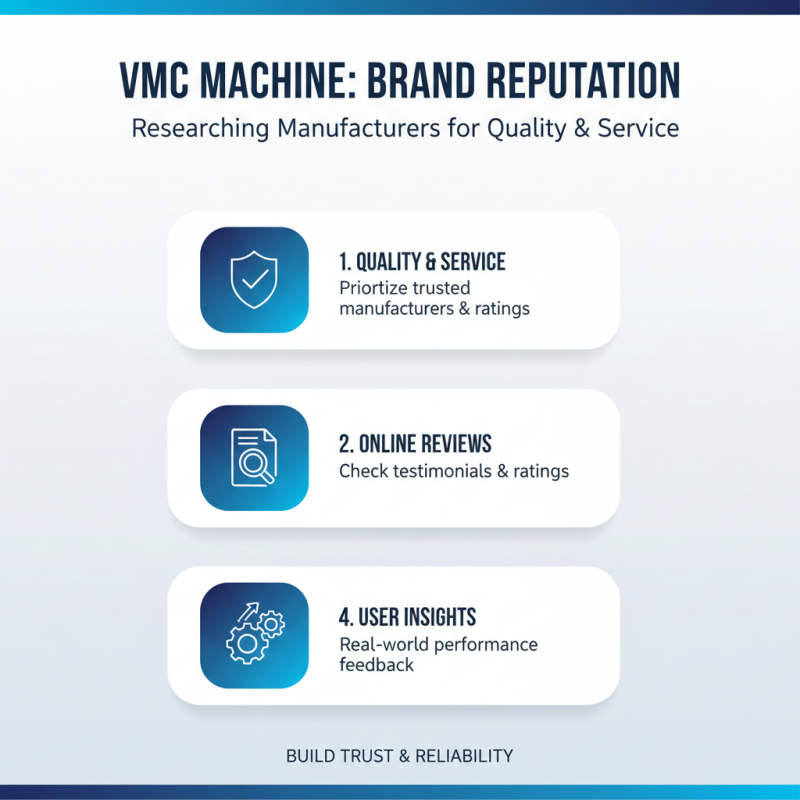
When selecting a VMC machine, brand reputation is essential. Prioritize manufacturers known for their quality and service. Research online reviews, client testimonials, and industry awards. These indicators build trust in a brand. Look for feedback from experienced users. They offer insights into real-world performance and reliability.
Understanding the historical context of the manufacturer adds depth to your decision. Companies with a long-standing presence often have established quality controls. However, newer brands may offer innovative features. Weigh the pros and cons carefully. Don’t overlook the importance of local support. Easy access to parts and service is vital for smooth operation. Trustworthiness can sometimes be overlooked in favor of flashy marketing.
Visit industry forums and social media groups to gather opinions. Engaging with peers provides a clearer picture of brand reliability. Be cautious of overly positive reviews; they may lack authenticity. Aim to identify brands that not only meet your needs but also resonate with your values. This approach ensures you choose a VMC machine that aligns with your priorities.