What is a VMC Machine and How Does It Work?
In the realm of modern manufacturing, the VMC machine stands as a significant innovation. Dr. Jane Smith, a leading expert in CNC technology, states, "VMC machines revolutionize precision machining." These machines blend advanced technology with intricate design, allowing for enhanced efficiency and accuracy in various industries.
The VMC machine, or vertical machining center, utilizes a vertical spindle for cutting. This capability lets manufacturers produce complex components with less manual intervention. Operators benefit from its ease of programming and flexibility. However, mastering a VMC machine can be challenging and may require extensive training.
While the advantages are clear, potential users must consider the costs involved and the need for skilled personnel. It is crucial to reflect on both the benefits and limitations of VMC machines. Investing in the right technology is vital for companies seeking to remain competitive in today's fast-paced manufacturing landscape.
What is a VMC Machine? Definition and Basic Components
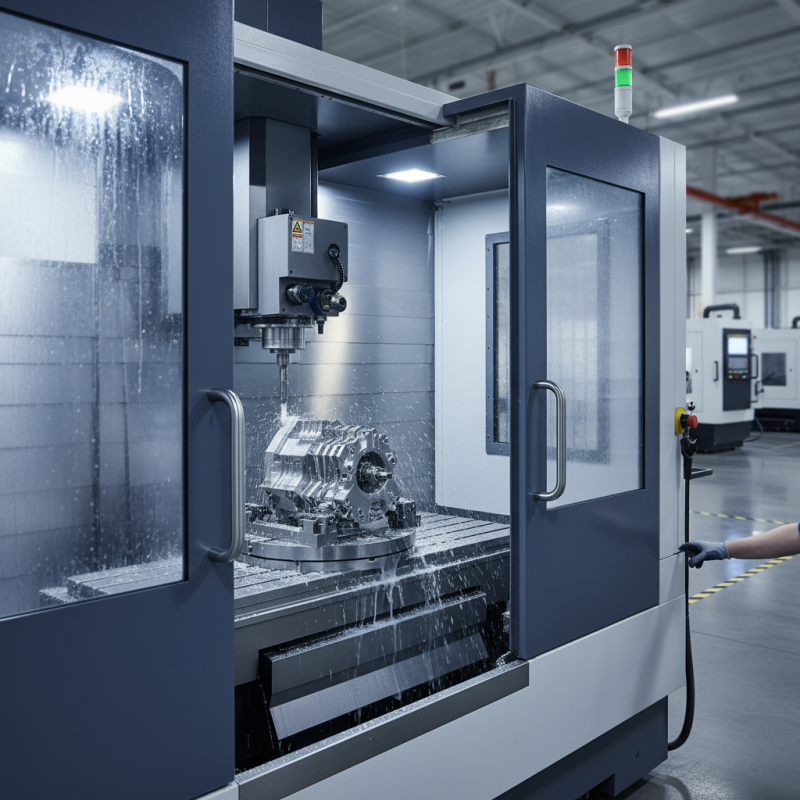
A VMC (Vertical Machining Center) machine is a vital tool in modern manufacturing. It utilizes a vertical spindle to hold the cutting tool, enabling precise machining of parts. The defining feature of a VMC is its ability to perform multiple operations, such as drilling, milling, and tapping, in one setup. This efficiency significantly reduces cycle time and enhances productivity.
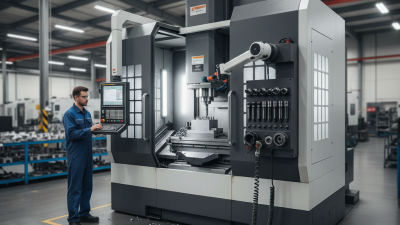
Basic components of a VMC include the spindle, table, and control system. The spindle rotates at high speeds, allowing the tool to cut through materials like metal and plastic. The table supports the workpiece, maintaining stability during operations. Additionally, the control system, often computer-based, guides the machine to execute programmed instructions accurately. Even with advanced technology, operators must ensure consistent calibration. Small errors in setup can lead to significant flaws in the final product.
The design of a VMC offers flexibility and versatility. An operator can adjust settings for different materials and shapes. However, this same flexibility can pose challenges. Misunderstanding the machine's capabilities may lead to inefficiencies. Continuous learning and adaptation are essential in mastering VMC operations. Techniques evolve quickly, and staying informed is crucial for optimal performance.
VMC Machine Overview
| Component |
Description |
Function |
| Spindle |
Rotating component that holds the cutting tool |
Enables high-speed machining of materials |
| Tool Magazine |
Storage area for various cutting tools |
Allows automatic tool changes during operation |
| Controller |
Computing unit that manages machine operations |
Processes CAD/CAM files and executes machining cycles |
| Work Table |
Surface where workpieces are mounted |
Supports and positions the material for machining |
| Axis Drives |
Motors that control movement along different axes |
Enables precise positioning of the spindle and tools |
The Working Principle of VMC Machines: Key Processes Explained
VMC machines, or Vertical Machining Centers, are essential in modern manufacturing. Their design allows for improved precision in machining various materials. The working principle involves several key processes that enhance their functionality.
At the core of a VMC's operation is the spindle. It rotates at high speeds, allowing cutting tools to remove material efficiently. Tool changers, which often hold multiple tools, increase productivity by reducing downtime. The machine uses CNC (Computer Numerical Control) programming to execute precise movements along multiple axes. Operators must understand these movements to optimize production.
Programming a VMC can be challenging. Mistakes may lead to product defects or machine damage. Ensuring the correct setup takes time and experience. Operators need to regularly calibrate the machine, maintaining accuracy over various production runs. This reflects the importance of attention to detail in machining processes. Each part produced must meet strict specifications, which requires constant monitoring and adjustments.
VMC Machine Key Processes Overview
This bar chart illustrates the key processes involved in a VMC (Vertical Machining Center) machine. Each process is crucial for the machining operation and affects the overall efficiency and precision of the manufacturing cycle.
Applications of VMC Machines in Various Industries
VMC machines, or Vertical Machining Centers, have become essential in various industries. Their ability to perform multiple operations makes them versatile and efficient. In automotive manufacturing, VMCs are used to create intricate engine components. These machines provide precision that meets tight tolerances critical in automotive applications.
In the aerospace sector, VMC machines manufacture parts like brackets and housings. The complexity of these components demands high accuracy. Some challenges arise when machining exotic materials, which can affect tool wear and cutting speeds. Continuous improvement is needed to adapt to these demands.
VMC machines also play a role in the medical industry, producing surgical instruments and implants. These items often require complex geometries and surface finishes. While VMCs can achieve this, maintaining quality control is vital. Companies must invest in training operators and improving processes to ensure the best outcomes.
Key Advantages of Using VMC Machines in Manufacturing
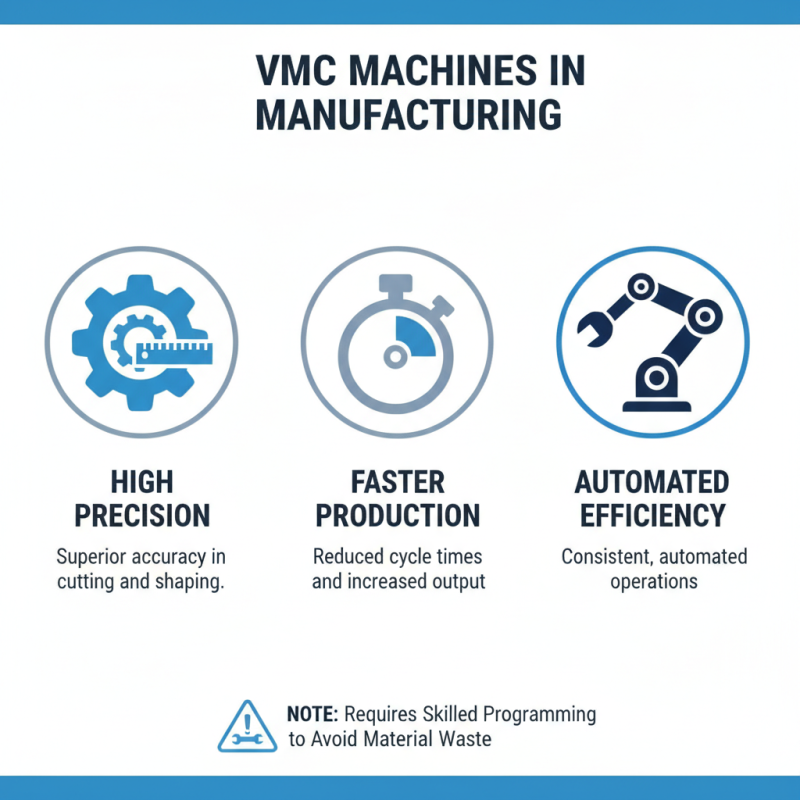
VMC machines, or Vertical Machining Centers, have transformed manufacturing processes. These machines allow for high precision in cutting and shaping materials. This capability results in better product quality and reduced production time. The automation involved in VMC operations enhances efficiency. However, setting up and programming VMC machines requires a skilled operator. Mistakes in programming can lead to wasted materials.
One of the key advantages of VMC machines is their versatility. They can handle various materials, from metals to plastics. This adaptability is crucial for manufacturers aiming to meet diverse client needs. Another advantage is their ability to perform multiple operations in a single setup. This reduces waiting time and enhances workflow. However, reliance on technology can sometimes overshadow the need for manual checks.
Moreover, VMC machines contribute to cost savings in the long run. While the initial investment may be substantial, the efficiency gains outweigh this cost over time. It’s vital to regularly maintain these machines to ensure optimal performance. Neglecting maintenance can lead to breakdowns and costly repairs. Manufacturers must weigh the benefits against potential downsides carefully. This balance is necessary for maximizing production efficiency.
Future Trends in VMC Technology and Industry Growth Statistics
The future of VMC technology looks promising. As industries push for efficiency, the demand for advanced VMC machines rises. These machines offer precision and speed in manufacturing processes. They can operate continuously, enhancing productivity. Reports indicate a significant growth rate in the VMC market. By 2025, the market is projected to expand considerably.
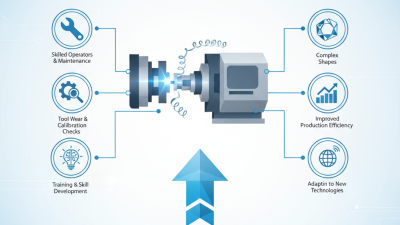
Automation is a key trend driving this growth. Companies are integrating VMCs with artificial intelligence. This leads to more intelligent manufacturing operations. However, there are challenges to consider. High initial investments may deter smaller businesses. Moreover, the workforce must adapt to new technologies. Training and skill development are crucial for success in this evolving landscape.
Another aspect is sustainability. Environmental concerns are pushing for greener manufacturing techniques. VMC technologies evolve to reduce energy consumption and waste. Businesses are exploring eco-friendly materials and processes. Balancing innovation with sustainability will require thoughtful strategies. Each of these trends presents opportunities and challenges for the future of VMC machines.