10 Best CNC Mills for Global Buyers in 2026
Global manufacturers are entering 2026 with sharper demands for speed, repeatability, and dependable after-sales support. A modern cnc mill must do more than remove metal. It should hold tolerances, manage heat, simplify programming, and remain serviceable across borders.
Fortune Business Insights valued the global CNC machine market at USD 83.99 billion in 2023. Its report projects the market to reach USD 128.41 billion by 2032. These figures include several CNC machine categories, not only milling centers. That distinction matters. Market estimates can look precise while covering different equipment definitions. Still, the direction is clear: manufacturers continue investing in automated and digitally controlled production.
The 2026 buying decision is therefore not based on spindle speed alone. Buyers should examine work-envelope size, axis travel, tool capacity, control-system support, positioning accuracy, and electrical compatibility. A compact three-axis mill may suit a job shop. A five-axis model may better serve aerospace, medical, or complex mold work. The wrong choice becomes expensive quickly. Downtime, unavailable parts, and weak local training can outweigh a low purchase price.
This guide evaluates ten CNC mills for global buyers. The comparison considers practical cutting performance, build quality, automation readiness, maintenance access, and supplier credibility. It also reflects guidance from the U.S. Association for Manufacturing Technology and the Gardner Business Media World Machine-Tool Output & Consumption Survey, which track manufacturing technology demand and market conditions. Data is useful, but not perfect. Real factory results still depend on operators, materials, tooling, and installation quality. Test carefully. Then buy with evidence, not impressive brochures.

What Defines a CNC Mill and Why It Matters to Global Buyers
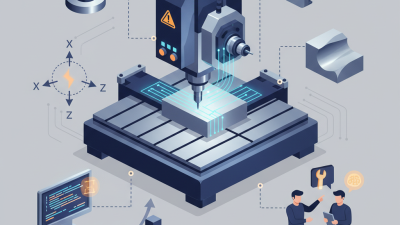
A CNC mill is a computer-controlled machine that removes material with rotating cutting tools. Its core structure includes a rigid frame, spindle, worktable, axes, drive systems, and control software. The machine may cut metal, plastic, or composite stock, depending on its power and tooling. Three-axis models suit many parts, while four- and five-axis systems reach angled surfaces with fewer setups.
For global buyers, these details affect real production results. A rigid bed reduces vibration when cutting steel. A stable spindle supports cleaner holes and longer tool life. Positioning accuracy matters when parts must fit together without manual correction. Buyers should also check working travel, spindle speed, coolant options, electrical requirements, and controller compatibility. A machine rated for one voltage may need approved site preparation elsewhere.
The specification sheet is only part of the evidence. Ask for sample cuts, measured tolerances, maintenance records, and videos showing the machine under load. Check how quickly technical support responds across time zones. Spare-part availability can matter more than a small discount. Shipping conditions deserve attention too, especially crate protection and installation guidance. A polished brochure can hide practical weaknesses. Even experienced buyers sometimes overlook operator training, floor loading, or software learning time. That oversight can turn a capable mill into an expensive idle asset.
Key Specifications for Comparing CNC Mills in 2026
When comparing CNC mills in 2026, begin with the work envelope. Measure X, Y, and Z travel against your largest planned part. Leave room for fixtures, clamps, and tool changes. A machine that barely fits today may limit tomorrow’s orders.
Spindle speed and torque should match your materials. Aluminum often benefits from higher speed, while steel needs steady torque and rigidity. Check the spindle taper, power rating, and continuous duty performance. Peak horsepower can look impressive. It may not represent daily cutting capacity. Positioning accuracy and repeatability also deserve separate attention. Accuracy describes movement quality; repeatability shows whether the mill returns consistently. Ask for test conditions, temperature ranges, and measurement methods. Published figures are not always directly comparable.
Control features affect practical productivity. Look for reliable probing, tool-length measurement, simulation, and clear alarm records. Automatic tool capacity matters when jobs require many operations. Coolant filtration, chip evacuation, and enclosure access influence maintenance time. Consider electrical requirements, floor loading, installation support, and operator training for international sites. Service response is a specification too, although manufacturers rarely list it clearly. I would request references from similar workshops and inspect sample parts before ordering. A perfect brochure cannot replace a stable test cut. Even experienced buyers sometimes overvalue speed and undervalue rigidity, maintenance access, or operator confidence.
Ten Leading CNC Mills and Their Best Use Cases
Ten leading CNC mills serve different production realities, not identical wish lists. A three-axis vertical mill suits general prototypes and short production runs. A four-axis mill handles indexed parts with fewer setups. A five-axis mill reaches curved aerospace or medical geometries. A horizontal mill improves chip evacuation on deep cavities. A gantry mill fits large plates and structural components. A bed mill supports rigid, repeatable cutting. A knee mill helps repair shops and training rooms. A benchtop mill serves education and light aluminum work. A high-speed mill suits small tools and fine surface finishes. A heavy-duty mill removes material from steel castings.
Use case should guide the purchase. According to Grand View Research, the global CNC machine market was valued at about 83 billion dollars in 2023, with strong growth expected through 2030. MarketsandMarkets also identifies automotive, aerospace, and general machinery as major demand sectors. These figures suggest opportunity, but they do not guarantee a profitable machine choice.
In practical testing, spindle speed, travels, and workholding often matter more than brochure accuracy. A compact mill may win when floor space and operator access are limited. A five-axis system can reduce setups, yet programming skill becomes critical. That cost is easy to underestimate. Cutting a 300-millimeter steel block also exposes weaknesses in rigidity, coolant delivery, and thermal stability. Buyers should compare measured repeatability, service response, tooling availability, and total energy use. Reported specifications are useful. Shop-floor evidence is better.
How to Evaluate Suppliers, Pricing, and Export Support
10 Best CNC Mills for Global Buyers in 2026
Selecting a CNC mill is not only a question of spindle speed or table size. Supplier reliability, landed cost, and export support can decide whether a machine earns money or sits idle. MarketsandMarkets projects the global CNC machine market to grow from about USD 88 billion in 2024 to over USD 128 billion by 2029. That expansion brings more suppliers, but also uneven quality.
Ask suppliers for test-cut videos, dimensional inspection records, and references from comparable industries. A serious quotation should separate machine price, tooling, packaging, freight, insurance, taxes, and installation. Check the controller language, voltage, coolant standards, and spare-parts availability before comparing offers. A cheaper mill may require expensive electrical conversion.
Look closely.
Export support needs practical evidence. Request a packing list, commercial invoice sample, certificate-of-origin process, and clear Incoterms. The International Trade Centre emphasizes accurate trade documentation for reducing shipment delays and customs errors. Supplier response time also matters; ask who handles technical questions after delivery and how quickly replacement parts ship. Remote training is useful, but it cannot fix poor commissioning. I have seen attractive quotations hide unclear warranty exclusions. That is a warning, not a minor detail. Buyers should score each supplier across accuracy, documentation, service, and total landed cost, then revisit the scores after independent reference checks.
10 Best CNC Mills for Global Buyers in 2026
Supplier Evaluation Priorities for Pricing, Quality, and Export Support
This buyer-side benchmark assigns practical evaluation weights to the factors most relevant when comparing CNC mill suppliers internationally. Total cost, machine capability, quality assurance, delivery reliability, after-sales service, and export documentation should be assessed together rather than by purchase price alone.
Choosing the Right CNC Mill for Your Production Needs
Choosing the right CNC mill begins with your parts, not a glossy specification sheet. A credible comparison of the 10 best CNC mills for global buyers in 2026 should examine material, batch size, tolerances, and operator skill. For aluminum housings, 10,000–15,000 rpm may improve cycle times. Steel work often rewards lower speed, higher torque, and a rigid cast structure. Measure your largest fixture first. Then check X, Y, and Z travel with workholding installed.
Production reliability depends on details operators notice after installation. Look for accessible chip evacuation, a dependable coolant system, tool monitoring, and simple recovery after an alarm. A fast spindle means little if vibration damages a thin wall. Confirm repeatability using your own inspection method, such as probing and a calibrated height gauge. Ask for sample cuts in your actual material. They reveal heat, burrs, cycle time, and finish more honestly than brochures.
Global buyers should verify voltage, electrical conformity, guarding, documentation, and local service coverage before ordering. Remote support helps, but spare-part access can decide whether one fault lasts hours or weeks. I once favored a lower purchase price and underestimated training time; that mistake reduced output for months. The lesson is imperfect: the cheapest mill can become the most expensive choice. Build a scorecard, weight production risks, and leave room for future tooling. Record every test result before approving the purchase.