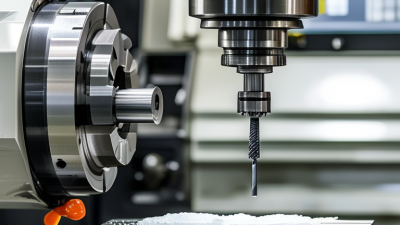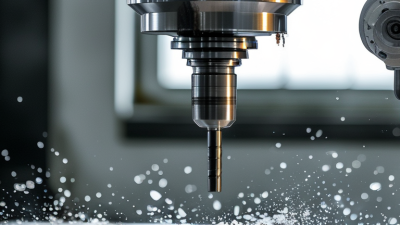
Choosing CNC turning parts suppliers in 2026 requires more than comparing prices or browsing polished websites. Buyers need dependable evidence, practical experience, and technical confidence. A suitable supplier should understand material behavior, machining tolerances, surface finishes, and production challenges. These details often decide whether a component performs reliably in real equipment.
Look for suppliers that provide clear drawings, inspection records, material certificates, and realistic delivery schedules. Their facilities should demonstrate suitable CNC lathes, calibrated measuring tools, and trained operators. Ask how they control thread accuracy, concentricity, burrs, and dimensional changes during larger production runs. A capable supplier will explain these controls without hiding behind vague promises.
Cost still matters, but the lowest quotation may create expensive problems later. Delayed samples, inconsistent batches, or unclear packaging can disrupt assembly lines. Request a sample order when possible. Examine the parts under actual working conditions, not only under bright inspection lights. Communication also deserves careful attention. Can the supplier respond clearly when a drawing changes? Can they identify a risk before production begins?
No checklist is perfect. Even experienced buyers can overlook small warning signs. A supplier may show excellent equipment but lack stable quality records. Another may offer fast delivery but depend heavily on subcontractors. Review verified references, audit results, quality systems, and after-sales support before making a decision. The strongest partnership combines measurable capability with honest communication. That balance helps companies choose CNC turning parts suppliers that remain reliable as designs, volumes, and market expectations change.
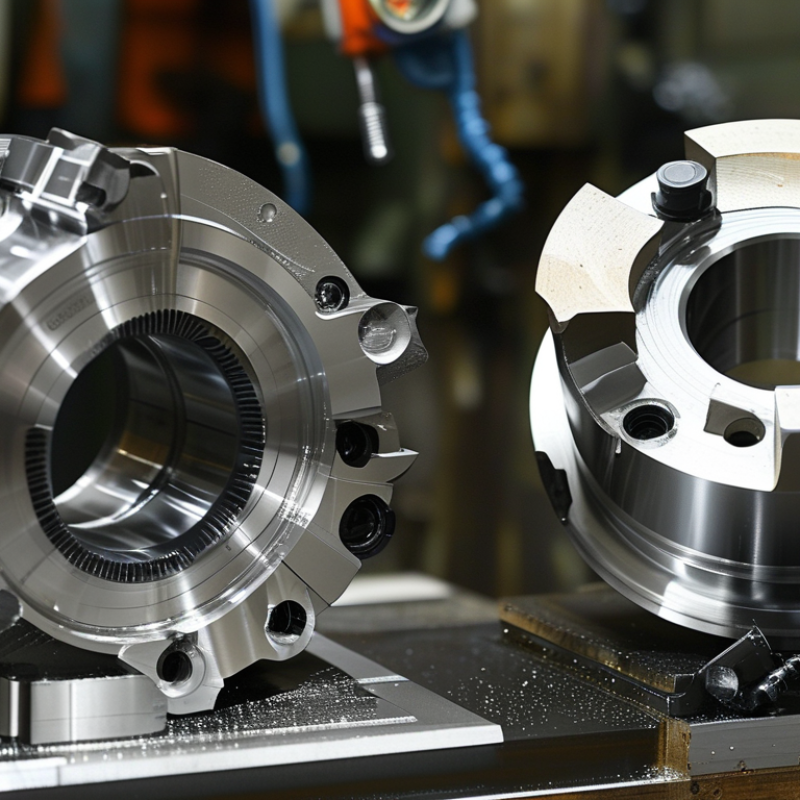
CNC turning parts are rotational components made from bar stock on a computer-controlled lathe. The tool removes material while the workpiece spins. Common examples include shafts, bushings, pins, threaded fittings, and precision spacers. Their quality depends on diameter control, surface finish, concentricity, material stability, and clean documentation.
Supplier choice matters because a small variation can cause assembly failures. Grand View Research estimated the global CNC machine market at about USD 88.7 billion in 2023, with strong growth expected through 2030. This growth reflects wider automation, but it does not guarantee reliable parts. A capable supplier should explain its tolerances, inspection method, cutting tools, heat-treatment controls, and traceability process. Ask for sample inspection reports. Request material certificates.
Deloitte’s 2023 Smart Manufacturing and Operations Survey reported that 86% of manufacturers viewed smart manufacturing as a major competitiveness driver within three years. That makes digital production records valuable. Still, software cannot replace skilled inspection. Check whether the supplier uses calibrated gauges, coordinate measuring machines, and documented corrective actions. ISO 9001 certification can support process discipline, but certification alone is not proof of machining accuracy. A polished brochure may hide weak communication. I would test a small batch first, measure critical features independently, and review how defects are handled. That step costs time. It can prevent expensive rework later.
When choosing CNC turning parts suppliers in 2026, evaluate capabilities beyond machine count.
Ask for process evidence, not polished promises. Deloitte’s 2024 Smart Manufacturing and Operations Survey found that 86% of manufacturers expect smart manufacturing to become a major competitiveness driver within five years. A capable supplier should therefore provide digital production records, revision control, and real-time status updates.
Quality needs physical proof. Request sample inspection reports showing tolerances, surface roughness, thread gauges, and material certificates.
ISO 9001 registration matters, but it does not replace process knowledge. Check whether the supplier uses calibrated CMM equipment, first-article inspection, and statistical process control for repeat orders. Ask how operators react when a tool begins producing a 0.02 mm drift. Small details matter.
Cybersecurity and resilience deserve equal attention.
NIST guidance recommends controlled access, asset identification, and incident response for manufacturing information systems. Ask how drawings are stored, who can download them, and how backups are tested. Also examine capacity during disruption: alternate material sources, preventive maintenance, and documented recovery plans.
A low quotation may hide weak traceability or rushed inspection. I have seen attractive dashboards fail to explain one late batch. That is uncomfortable, but useful.
Supplier evaluation should include a technical trial, a site audit, and clear acceptance criteria before volume production.
Choosing a CNC turning parts supplier requires more than comparing prices. I would verify the supplier’s quality system, material controls, and production evidence. ISO’s 2023 Survey recorded over 1.2 million ISO 9001 certificates worldwide. However, certification alone does not prove consistent parts. Request the current certificate, audit scope, expiration date, and corrective-action records.
For materials, ask for mill test reports linked to each heat or batch number. Confirm alloy grades through chemical analysis or an independent laboratory when tolerances are critical. Check whether the supplier follows relevant ASTM, ISO, or national specifications. For production, review inspection plans, calibrated equipment records, and first-article inspection reports. Key dimensions should show actual measurements, not only “pass” marks. Process capability data, such as Cpk, can reveal unstable machining. I would also inspect tool-wear controls and sampling frequency. A clean sample may hide weak batch control.
Tips: Visit the factory if possible. Watch setup verification, chip handling, and final inspection. Ask for a traceability demonstration using one finished part. Deloitte’s 2024 Smart Manufacturing and Operations Survey found that 92% of manufacturers view smart manufacturing as important for competitiveness. Still, digital dashboards can create false confidence. A supplier should connect data with physical checks. Before approval, order a small pilot batch and compare measurements across operators and shifts. I once trusted a polished report too quickly; the drawing revision was outdated. That mistake is worth remembering.
When choosing CNC turning parts suppliers in 2026, compare more than the lowest quotation. Ask for a line-by-line price covering material, programming, tooling, inspection, packaging, and freight. A cheap unit price can hide setup charges or expensive revisions. Request a sample invoice for a small batch. Then compare the same drawing, tolerance, alloy, and quantity across suppliers. In my sourcing experience, this simple test exposes pricing gaps quickly. But estimates are not promises.
Tips: Build a comparison sheet with six columns: unit price, setup cost, lead time, tolerance capability, revision policy, and inspection evidence. Record whether prices change at 50, 500, and 5,000 pieces. Ask what happens when one tool fails. The answer reveals operational maturity.
Lead time should include drawing review, prototype approval, production, inspection, and shipping. Get milestone dates in writing, not only “fast delivery.” A supplier reporting capacity limits early may be safer than one offering an impressive but vague date.
For customization, examine engineering communication and process control. Can the team suggest a realistic tolerance, modify a thread, or provide a first-article report? Ask for inspection methods, equipment calibration records, and photographs of comparable work, without demanding confidential customer data. I once overlooked revision timing; the machining was accurate, but approval delays damaged the schedule. That mistake still matters.
How to Choose CNC Turning Parts Suppliers in 2026?
What Questions Should You Ask Before Selecting a CNC Turning Parts Supplier?
Before selecting a CNC turning parts supplier, ask how they control repeatability. Can they hold the drawing’s tolerances across 500 pieces? What inspection tools do they use, and when are gauges calibrated? Request a sample inspection report with actual measurements, not only a pass statement. Ask whether operators check the first article and record tool wear. Small diameter changes may hide inside an attractive part. Ask for material certificates and traceability from bar stock to shipment. These details reveal process discipline.
Clarify machine capability in practical terms. What spindle range, chuck size, bar capacity, and positional accuracy fit your part? Can the supplier manage threads, deep bores, tight shoulders, or difficult alloys? Ask who writes programs and how revisions are approved. A capable supplier should explain setup time, cutting strategy, coolant control, and burr removal without vague promises. Also ask about capacity during peak periods, backup equipment, and realistic lead times. “Can you deliver faster?” is a weak question. “What could delay this order?” is better.
Check quality systems, communication, and corrective action. Ask for examples of nonconformance reports, root-cause analysis, and preventive changes. You do not need perfection. You need evidence of learning. Confirm packaging, rust protection, labeling, and shipping checks for your environment. Ask how engineering questions are escalated when a drawing seems unclear. I would not trust a polished sample alone; production consistency matters more. A factory may have excellent machines but weak documentation. That mismatch can become expensive. Before approval, compare quoted tolerances, inspection frequency, response times, and total cost in writing. Leave room for a small pilot run. It may expose assumptions nobody noticed.
Before selecting a CNC turning parts supplier, ask which general tolerances they can consistently achieve without special process controls. The chart uses the ISO 2768-1 medium tolerance class as a neutral reference for linear dimensions. For tighter requirements, request inspection records, capability data, and a clear confirmation of the tolerance range included in the quotation.