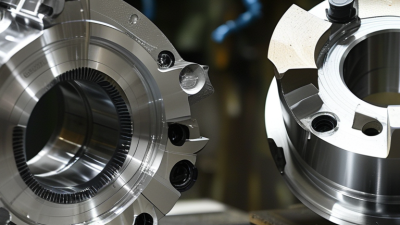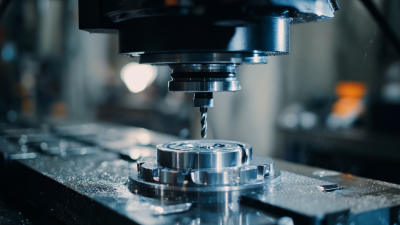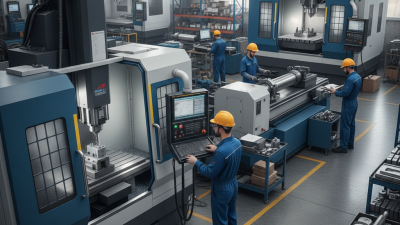
China’s CNC manufacturing base is broad, but choosing a supplier takes more than comparing machine counts or quoted prices. Buyers need consistent dimensions, documented inspection, dependable lead times, and clear communication when a drawing changes. Small details matter: a clean thread, a true bore, or a surface finish that matches the specification.
Grand View Research valued the global CNC machine market at US$101.22 billion in 2023 and forecast a 6.3% compound annual growth rate from 2024 to 2030. This measures the wider machine market, not cnc lathe parts alone. Still, it signals a substantial and evolving manufacturing ecosystem. A market forecast cannot verify an individual factory’s quality. Supplier claims need checking against samples, inspection records, and production capabilities.
As manufacturing expert Taiichi Ohno put it, “Where there is no standard, there can be no kaizen.” The principle fits precision machining: repeatable standards help turn a good prototype into a reliable production run. Yet standards on paper are not enough. Real performance shows up in the parts received.
This guide to China Top 10 CNC Lathe Parts Suppliers offers a starting point for evaluating potential partners. Compare materials, tolerances, quality controls, customization options, and export experience. Ask how each supplier handles first-article inspection and nonconforming parts. The list cannot replace your own checks. That takes time. But careful verification can reduce costly surprises and help identify a supplier suited to your actual drawings, volumes, and delivery needs.
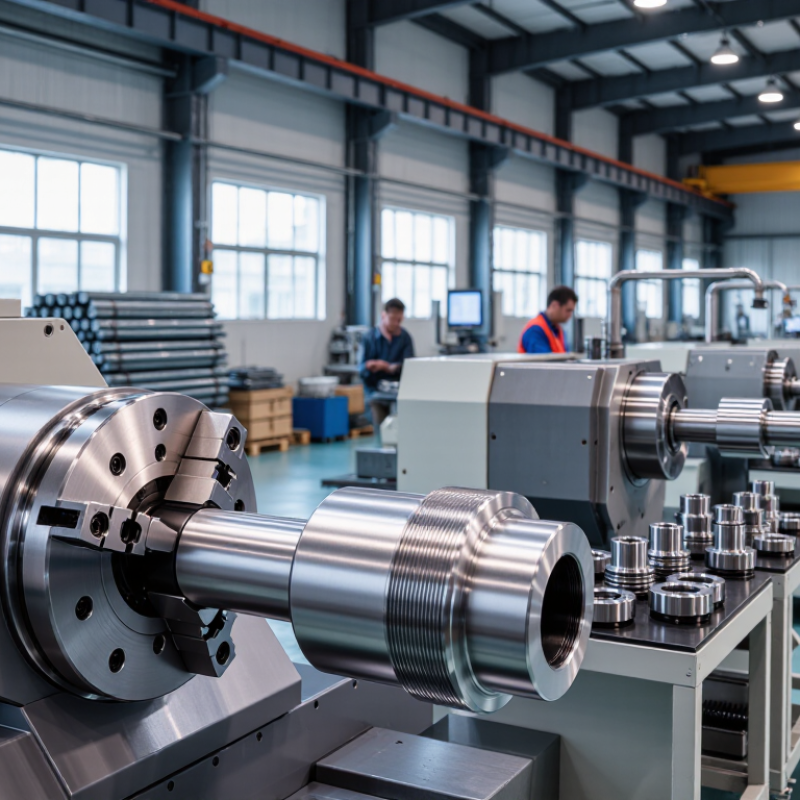
CNC lathe parts suppliers in China typically produce precision components for machinery, automation, medical equipment, and industrial assemblies. Common products include shafts, bushings, pins, threaded fittings, spacers, flanges, and custom turned housings. Many workshops process stainless steel, aluminum, brass, carbon steel, and engineering plastics. Material certificates matter.
A capable supplier can turn small prototypes and repeat larger production batches. Operators use CNC lathes with live tooling, bar feeders, and automatic measurement systems. These machines create grooves, threads, tapers, bores, and complex outer profiles. Some suppliers also provide drilling, milling, heat treatment, polishing, anodizing, plating, and passivation. Each process should match the drawing and the material.
Inspection usually includes calipers, micrometers, thread gauges, height gauges, and coordinate measuring equipment. Reliable factories record dimensions during production, not only before shipment. They may provide first-article reports, inspection records, and traceability documents. Small details matter.
A drawing can look complete and still hide a weak tolerance choice. This happens more often than expected. Experienced engineers review wall thickness, surface roughness, datum references, and thread engagement before machining. They may suggest a safer radius or a simpler setup, reducing distortion and waste. However, not every recommendation improves the part. Buyers should question changes and verify performance through samples, measurements, and assembly tests. That practical exchange reveals whether a supplier truly understands the component, rather than merely quoting its dimensions.
China’s CNC lathe supplier market is organized around different production roles, not one uniform group of factories. Some workshops focus on turned components, such as shafts, bushings, pins, and threaded fittings. Others provide machining as part of a broader service, handling drawings, material sourcing, inspection, and packaging. The distinction matters. A supplier with many machines may still lack experience with a particular tolerance or material.
Regional manufacturing clusters often connect machining shops with heat-treatment, plating, tooling, and logistics providers. This can shorten production handoffs, though it also means buyers should ask which processes are performed in-house. A sample part can reveal more than a polished capability sheet. Check its dimensions, surface finish, burrs, and consistency across several pieces. Small details count.
Suppliers also differ by order scale. A job shop may respond well to prototypes and changing specifications, while a larger factory may be better equipped for repeat production and documented quality checks. Neither option is automatically safer. Ask how measurement results are recorded, what happens when a part fails inspection, and whether production changes are communicated before shipment. One awkward point: supplier directories rarely explain how much capacity is actually available. A direct conversation, followed by a trial order, can expose that gap.
China Top 10 CNC Lathe Parts Suppliers
Criteria for Ranking China's Top 10 CNC Lathe Parts Suppliers
A useful ranking should start with measurable manufacturing capability, not polished catalogs. Check whether suppliers can produce the required materials, dimensions, and tolerances consistently. Ask for sample inspection reports, calibration records, and details about their measurement equipment. A shaft with a 0.02-millimeter tolerance needs different process control from a general-purpose spacer. Details matter.
Quality systems deserve close review, but certificates alone cannot prove every batch is reliable. Compare documented inspection steps, nonconformance handling, and traceability from raw stock to finished parts. A supplier should explain how it checks runout, surface finish, and thread accuracy. Requesting several recent production examples can reveal more than a single showroom sample. That takes time.
Ranking also depends on practical service: engineering communication, lead-time accuracy, packaging, and response to design changes. Compare quoted delivery dates with actual performance where records are available. Review whether the supplier can discuss tooling limits and suggest manufacturable alternatives without changing critical dimensions. Price matters, but the lowest quote may exclude inspection or protective packaging. Rankings remain imperfect; public information rarely shows daily process discipline, and a short evaluation cannot replace ongoing order data.
The chart shows a proposed 100-point evaluation framework, not measured scores for individual suppliers. It prioritizes part quality and dimensional accuracy, followed by manufacturing capability, delivery performance, quality-system evidence, and commercial considerations. Buyers can adjust the weightings to match their application and verify supplier claims through audits, sample inspections, and documented performance records.
China’s CNC lathe parts supply base includes specialists with very different strengths. One group machines stainless-steel shafts; another focuses on brass fittings, aluminum housings, or hardened steel components. Some excel at small batches and fast setup changes. Others are better suited to repeat orders, where process control matters more than quick quotations. Several suppliers offer turning with milling, reducing transfers between workshops. Some provide material certificates and dimensional reports; others may need clearer inspection requirements from buyers. Details matter.
Among ten supplier profiles, buyers may encounter precision-shaft makers, hydraulic-part producers, automotive-component shops, medical-device subcontractors, electronics-hardware suppliers, bearing-seat specialists, custom-bushing workshops, large-diameter turning facilities, prototype-focused job shops, and export-oriented contract manufacturers. These are capability profiles, not endorsements. Grand View Research valued the global CNC machine market at USD 83.99 billion in 2023 and forecast a 5.7% compound annual growth rate for 2024–2030. This points to sustained demand, but it does not prove any individual supplier’s quality. Request sample inspection data, tolerance capability, material traceability, and evidence of stable production. A polished catalogue is not enough. I would also check whether quoted tolerances remain practical after heat treatment; that step is easy to overlook.
The entries below are anonymized supplier profiles, not verified rankings or named-company records. Capability figures are indicative examples for comparison and must be confirmed directly with each supplier before purchasing.
| Profile | Typical Part Focus | Common Materials | Indicative Turning Capacity | Secondary Operations | Quality Documents to Request | Best-Fit Applications |
|---|---|---|---|---|---|---|
| Profile 1 | Precision shafts and pins | Carbon steel, alloy steel, stainless steel | Small to medium turned parts; bar-fed production may be available | Milling, drilling, threading, grinding | Material certificates, inspection report, dimensional records | Drive systems, machinery, general industrial equipment |
| Profile 2 | Bushings, sleeves, and spacers | Brass, aluminum, stainless steel, engineering plastics | Small-diameter components; confirm bar diameter and tolerance limits | Boring, grooving, chamfering, deburring | First-article inspection, material traceability, capability data if available | Fluid systems, fixtures, electrical and mechanical assemblies |
| Profile 3 | Threaded fittings and connectors | Brass, stainless steel, carbon steel | Small to medium components; thread standards depend on drawing | Internal and external threading, cross-drilling, sealing-face finishing | Thread gauges, pressure-test records where specified, inspection report | Pneumatic, hydraulic, and plumbing equipment |
| Profile 4 | Aluminum housings and turned covers | Aluminum alloys, brass | Small to larger turned parts; verify maximum diameter and length | CNC milling, tapping, anodizing coordination, deburring | Alloy and temper records, dimensional inspection, finish specification | Electronics, instrumentation, lighting, consumer equipment |
| Profile 5 | Stainless-steel precision components | Common stainless grades, subject to material confirmation | Small to medium parts; achievable tolerances depend on geometry and process | Threading, polishing, passivation coordination | Material certificates, surface-finish records, passivation documentation if required | Food equipment, medical devices, instrumentation, fluid handling |
| Profile 6 | Large-diameter flanges and rings | Carbon steel, alloy steel, stainless steel | Medium to large workpieces; confirm chuck size and swing capacity | Facing, boring, drilling, bolt-circle machining | Material traceability, dimensional inspection, heat-treatment records if specified | Pumps, valves, energy and heavy industrial machinery |
| Profile 7 | High-volume turned components | Brass, aluminum, steel, selected plastics | Bar-fed batch production may be suitable; confirm minimum order quantity | Automated cutoff, deburring, washing, sorting | Process control plan, batch inspection results, traceability records | Repeat-order production and standardized assemblies |
| Profile 8 | Low-volume and prototype parts | Aluminum, stainless steel, carbon steel, engineering plastics | Prototype quantities to small batches; confirm setup and programming charges | Turning, milling, tapping, rapid design revisions | First-article report, drawing revision control, material records | Product development, sampling, maintenance replacement parts |
| Profile 9 | Turn-milled complex parts | Aluminum, stainless steel, alloy steel, brass | Multi-feature components; verify machine axes and bar capacity | Live-tool milling, off-center drilling, threading, multiple-face machining | Feature-by-feature inspection, calibration records, first-article report | Compact assemblies requiring fewer setups |
| Profile 10 | Turned parts with finishing requirements | Steel, stainless steel, aluminum, brass | Small to medium parts; capacity depends on the finishing route | Heat treatment, plating, anodizing, coating through in-house or external providers | Finishing certificates, coating thickness results, final inspection report | Parts requiring corrosion protection, hardness, or cosmetic finishing |
Before placing an order, request a current company profile, machine list, sample inspection report, material traceability documents, production lead time, minimum order quantity, and written confirmation of tolerances and finishing requirements.
Choosing a CNC lathe parts supplier takes more than comparing unit prices. Start with the part’s drawing, material grade, tolerance, and annual quantity. Ask how the supplier checks critical dimensions, such as a 20-millimeter bore or a threaded feature. A clear inspection plan matters. Request sample parts and measurement records before approving a production run. Check whether the supplier can explain its process, from material sourcing to final inspection, in practical terms.
Tips: Send a complete drawing and state which dimensions are critical. Ask for a first-article inspection report, lead-time estimate, and packaging details. Confirm how revisions are tracked. Small omissions can cause delays. I have seen even a minor thread note create confusion, so make specifications explicit and review them together.
Compare suppliers using consistent questions, not polished promises alone. Discuss machining capacity, tool maintenance, batch traceability, and how defects are handled. If a supplier proposes a different material or tolerance, ask for the reason and assess the effect on fit and service life. Communication should be specific: a useful reply refers to your drawing, not just “good quality.” No supplier is perfect; a transparent explanation of limitations can be more reassuring than an absolute guarantee.