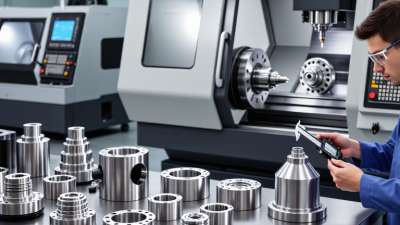
What Are CNC Milling Parts?

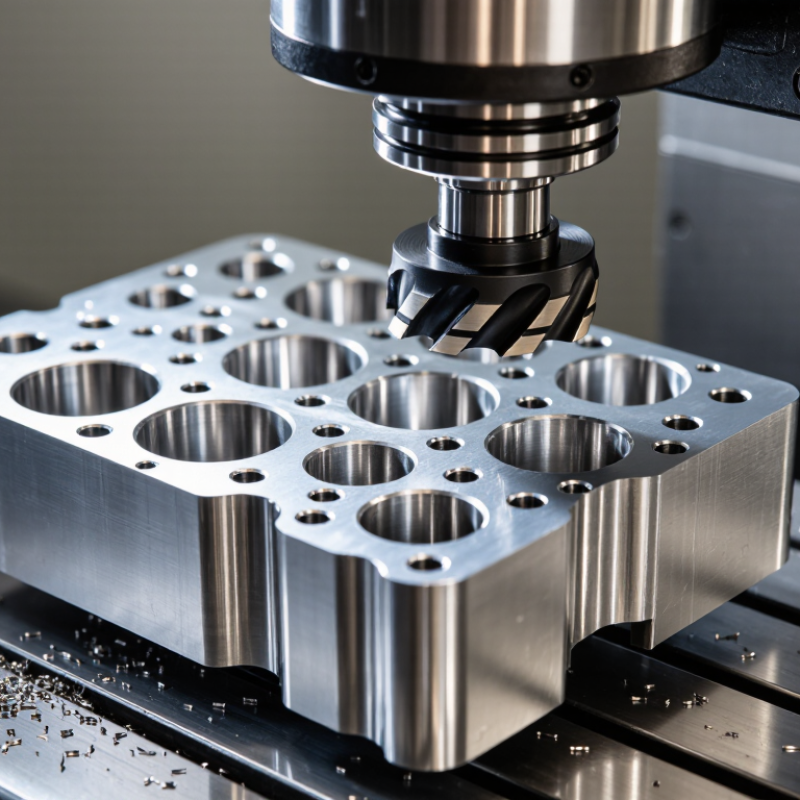
CNC milling parts are components shaped by rotating, multi-edge cutting tools that remove material from a solid workpiece. The process can produce flat faces, pockets, slots, holes, and contoured surfaces. Picture an aluminum block secured in a fixture while a cutter traces a programmed path, leaving crisp edges and precise features. The result depends on more than the machine: material choice, tool geometry, workholding, and inspection all matter.

The market reflects the growing role of computer-controlled machining. Grand View Research’s CNC machine market report estimated the global market at USD 101.22 billion in 2023 and projected a 6.3% compound annual growth rate from 2024 to 2030. That figure covers CNC machines broadly, not milling parts alone, so it should not be read as a parts-market estimate. Still, it signals sustained investment in the equipment used to make components across sectors.

Details matter. A thin wall may vibrate; a poorly planned setup may leave tool marks or dimensional drift. Understanding cnc milling parts means looking at how design, machining strategy, and quality checks work together. A caution: no source article or verifiable expert quotation was supplied with this request, so naming an expert or presenting a sentence as their words would risk inventing a quotation. A sourced quotation should be added only after its original publication is checked.
What Are CNC Milling Parts?

What CNC Milling Parts Are and How They Are Defined

What Are CNC Milling Parts?

What CNC Milling Parts Are and How They Are Defined

A CNC milling part is a component shaped by a computer-controlled machine using a rotating cutting tool. The workpiece may begin as aluminum, steel, plastic, or another machinable material. Toolpaths remove material to form flat faces, slots, pockets, holes, and curved profiles. Unlike turning, milling usually brings the cutter to a comparatively stationary workpiece. “Part” describes the finished component, not one specific machine or cutter. That distinction matters.

To define a part clearly, specify its material, dimensions, critical features, datums, tolerances, and surface-finish requirements. A 20-millimeter hole, for example, is an incomplete requirement without its location and allowable variation. Those details guide inspection, whether it uses calipers, a bore gauge, or coordinate measurement. The U.S. Bureau of Labor Statistics’ 2023–33 outlook projects a 3% employment decline for machinists and tool-and-die makers, with about 32,700 openings annually. This workforce forecast does not measure milling output directly, but it highlights the continued importance of setup and inspection skills. One detail is easy to overlook: a precise CAD model cannot resolve an unclear tolerance.

What Are CNC Milling Parts?

CNC milling parts are components shaped by removing material with rotating cutting tools controlled by a computer. Their defining features can include flat faces, slots, pockets, holes, and contoured surfaces.

How to read the chart: The bars show the number of axes in each machine configuration. More axes can allow a part to be machined from additional directions, but axis count alone does not determine a part’s complexity or achievable accuracy.

How CNC Milling Creates Precision Components

What Are CNC Milling Parts?

How CNC Milling Creates Precision Components

CNC milling parts are components shaped by rotating cutters guided along computer-controlled toolpaths. Common examples include brackets, housings, plates, and custom fixtures. A machine removes material from a solid block, often aluminum, steel, or engineering plastic. Small details matter. A shallow slot or tapped hole can determine whether an assembly fits correctly.

To create a part, a CAD model is translated into toolpaths, and the machining setup is planned around the material and geometry. The workpiece is clamped while cutters remove material in controlled passes. Roughing clears most of the stock; a finishing pass refines key surfaces and dimensions. Tool reach, cutter wear, vibration, and heat can all affect the result. Thin walls may flex under cutting pressure, so machining order and support need careful thought. A clear drawing helps, but it cannot compensate for a poor setup.

After milling, deburring removes sharp edges, and inspection checks critical dimensions against the drawing. Calipers work for accessible features; tighter dimensions may call for micrometers or coordinate measuring equipment. Specify tolerances and surface finish according to how the part will function, not appearance alone. Very tight tolerances can add time and cost without improving performance. Precision has limits. A part may look excellent yet fail to fit if its reference surfaces are unclear.

Common Materials Used for CNC Milling Parts

CNC-milled parts are often made from aluminum, steel, stainless steel, brass, titanium, or engineering plastics. Aluminum alloys are light, conduct heat well, and usually machine quickly. They suit housings, brackets, and fixtures where weight matters. Steel handles higher loads, while stainless steel resists corrosion in damp or frequently cleaned environments. Brass cuts cleanly and can produce fine details. Titanium offers high strength for its weight, but it is harder to machine and can generate heat at the cutting edge.

Material choice affects more than strength. It changes cutting speed, tool wear, surface finish, and final cost. The USGS Mineral Commodity Summaries 2024 estimated global primary aluminum production at about 70 million metric tons in 2023. World Steel Association data put 2023 crude steel production at 1,888.2 million tonnes. These figures describe material supply, not CNC use, but they help explain why aluminum and steel are widely available choices. That matters.

For a compact camera mount, aluminum may reduce weight; a load-bearing machine bracket may need steel. Stainless steel is useful near moisture, though it can take longer to cut. Engineering plastics suit lightweight, electrically insulating parts, but heat and clamping pressure can distort them. A practical selection starts with the part’s loads, environment, and tolerances, then checks machining trials. No material is best in every case. A detail worth revisiting: designers sometimes specify titanium for performance, when aluminum would meet the need with simpler machining.

What Are CNC Milling Parts? - Common Materials Used for CNC Milling Parts

Material Material Type Key Characteristics Machining Considerations Typical CNC-Milled Parts
6061-T6 Aluminum Aluminum alloy Good strength-to-weight ratio, corrosion resistance, and general-purpose versatility. Generally machines readily; manage chips and heat to help maintain surface finish and dimensional accuracy. Brackets, housings, fixtures, and frames
7075-T6 Aluminum High-strength aluminum alloy High strength for its weight; corrosion resistance is generally lower than that of 6061. Machines well with appropriate tooling; account for alloy condition and corrosion-protection requirements. Structural components, precision brackets, and lightweight components
304 Stainless Steel Austenitic stainless steel Good corrosion resistance in many environments and good formability. Can work-harden; use sharp tooling and avoid prolonged rubbing or dwell. Equipment fittings, covers, and general-purpose corrosion-resistant parts
316 Stainless Steel Austenitic stainless steel Molybdenum-containing grade with improved resistance to many chloride-containing environments compared with 304. Work-hardens and conducts heat poorly; stable setups and suitable cutting tools help control tool wear. Marine hardware, process equipment parts, and fluid-handling components
1018 Carbon Steel Low-carbon steel Good formability and weldability; typically supplied in a condition that is straightforward to machine. Can develop surface rust without protection; finishing may include coating, plating, or oiling depending on use. Shafts, plates, spacers, and general machine components
4140 Alloy Steel Chromium-molybdenum alloy steel Can offer high strength and toughness; properties depend on heat treatment and material condition. Machining difficulty varies with hardness; select cutting conditions for the supplied condition. Gears, shafts, tooling components, and load-bearing parts
C360 Brass Free-machining brass Excellent machinability and good corrosion resistance in many indoor and general-purpose settings. Produces manageable chips in many operations; verify composition and applicable regulations for the intended use. Connectors, valve components, bushings, and fittings
C110 Copper Commercially pure copper Very high electrical and thermal conductivity with good corrosion resistance in many applications. Soft and ductile; sharp tools and careful workholding help reduce burrs and material distortion. Electrical contacts, busbars, and heat-transfer components
Ti-6Al-4V Titanium alloy High strength-to-weight ratio and good corrosion resistance; relatively low thermal conductivity. Heat concentrates near the cutting edge; rigid setups, suitable tooling, and controlled cutting conditions are important. Aerospace fittings, structural components, and medical-device components
Acetal (POM) Engineering thermoplastic Low friction, good wear properties, and useful dimensional stability for many precision parts. Avoid excessive heat and clamping force; allow for material movement when tight tolerances are required. Gears, rollers, guides, and sliding components
Nylon (PA) Engineering thermoplastic Tough and wear-resistant; absorbs moisture, which can change dimensions and mechanical behavior. Consider moisture conditioning and the intended environment when specifying tolerances and fit. Bushings, rollers, wear pads, and insulators
PEEK High-performance thermoplastic Good heat and chemical resistance for a thermoplastic; properties vary by grade and reinforcement. Use sharp tools and manage heat and residual stress to help limit burrs or dimensional change. Chemical-service parts, electrical insulators, and precision components

CNC milling parts are components shaped by removing material with rotating cutting tools. Material selection should consider required strength, weight, corrosion resistance, operating temperature, tolerances, and the material’s supplied condition.

Key Features and Types of CNC-Milled Components

What Are CNC Milling Parts?

Key Features and Types of CNC-Milled Components

CNC-milled parts are made by removing material from a solid workpiece with computer-controlled rotating cutters. Their key features include precise geometry, repeatable dimensions, and surfaces shaped to fit an assembly. Actual accuracy depends on more than the machine: tool wear, material movement, fixturing, and inspection all matter. A thin aluminum wall, for example, may flex under cutting forces. That detail is easy to overlook.

Common types include three-axis parts such as flat brackets and plates, four-axis parts with features around a central axis, and five-axis components with angled or curved surfaces. Housings, manifolds, and impellers are typical examples. More axes can reduce repositioning, but they do not automatically improve quality. Still, axis count is not a quality score. Part design and setup remain crucial.

Grand View Research’s CNC Machine Market Size report valued the global market at USD 101.22 billion in 2023, reflecting broad industrial reliance on CNC equipment. That figure describes the machine market, not part quality or output. Buyers should assess tolerances, material, finish, and inspection requirements for each component. A drawing alone may not reveal every manufacturing trade-off.

Where CNC Milling Parts Are Used Across Industries

What Are CNC Milling Parts?

Where CNC Milling Parts Are Used Across Industries

CNC milling parts are components shaped by a rotating cutter guided by computer-controlled tools. Their value is practical: repeatable dimensions, clean features, and material choices suited to the job. On an aircraft, a milled aluminum bracket may hold wiring clear of a narrow frame. Titanium fittings and engine housings can also be machined where strength and weight matter. Small tolerances matter.

Automotive plants use milled parts in tooling, housings, and prototype assemblies. OICA recorded 93.5 million motor vehicles produced worldwide in 2023. That scale helps explain the need for consistent components, but not every part is milled; stamping and casting often make more sense. In medical equipment, milling can produce instrument handles, imaging-system brackets, and carefully specified components. Each application needs inspection suited to its risks.

Electronics manufacturing also relies on precision-machined frames, heat sinks, and equipment fixtures. The Semiconductor Industry Association reported global chip sales of $627.6 billion in 2024. That figure describes the market, not CNC part sales. Still, semiconductor production equipment needs rigid, accurately aligned structures, and milling can create them. Surface finish, chip clearance, and tool access deserve attention early. A design may look simple on screen, yet prove awkward to machine.

Scroll to Top