Why Choose CNC Parts for Global Manufacturing?

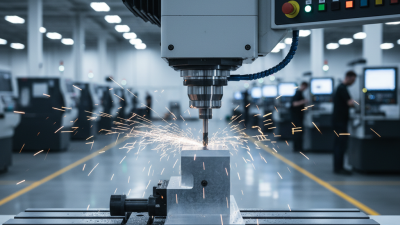
Why Choose CNC Parts for Global Manufacturing? The answer begins with control. Computer numerical control machines can cut aluminum, stainless steel, titanium, and engineering plastics with repeatable accuracy. A digital drawing becomes a physical component through measured toolpaths, calibrated equipment, and documented inspection.

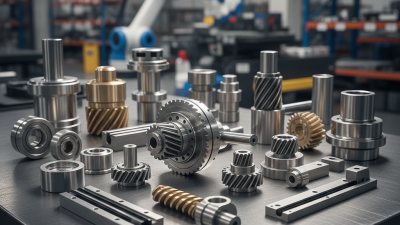
Dr. David A. Dornfeld, a respected manufacturing systems expert, described manufacturing as “the transformation of materials into useful products.” That transformation becomes especially valuable when companies source cnc parts across borders. Standardized CAD files, defined tolerances, and inspection reports help suppliers communicate clearly, even across different languages and time zones. A machined housing can arrive with clean threads, consistent bores, and edges that feel smooth under a gloved hand.

The benefits are practical. CNC production supports rapid prototyping, flexible batch sizes, and stable repeat orders. It can also reduce material waste when machining strategies are planned carefully. But the promise is not automatic. Supplier capability, surface-finish control, packaging, and quality records still matter. A low quotation may hide weak inspection or poor process discipline.

That part is often underestimated.

Global manufacturing also requires patience. Shipping delays, drawing revisions, and unclear specifications can disrupt an otherwise excellent project. Experienced buyers therefore evaluate more than machine lists. They review tolerance experience, material traceability, sampling methods, and communication habits. Reliable cnc parts are not created by automation alone. They come from disciplined people, verified processes, and the willingness to question assumptions before production begins.
Why Choose CNC Parts for Global Manufacturing?

CNC Parts: Definition, Functions, and Manufacturing Principles

Why Choose CNC Parts for Global Manufacturing?

CNC Parts: Definition, Functions, and Manufacturing Principles

CNC parts are components made by computer-controlled machine tools. CNC means computer numerical control. The machine removes material from metal, plastic, or other approved stock. Milling cuts with rotating tools, while turning shapes parts around a spinning axis. Drilling, tapping, and surface finishing may follow. The process begins with a CAD model and toolpath. Control software converts that path into machine instructions. Operators then set tools, fixtures, speeds, and feeds. Careful inspection confirms dimensions against the engineering drawing.

These parts support housings, shafts, brackets, medical equipment, and automation assemblies. Their main function is dependable fit and movement. Repeated production also improves consistency across international suppliers. That matters when replacement parts travel between factories. Still, CNC is not automatically perfect. I once underestimated fixture alignment, and a small error affected an entire batch. Material behavior, tool wear, and measurement methods can change results. Engineers should specify tolerances only where function requires them. Overly tight tolerances increase cost and may slow production.

Tips: Share complete drawings, datum references, material grades, and inspection requirements. Request a first-article sample before releasing volume production. Check critical dimensions with calibrated instruments. Ask how the supplier manages revision control. A clear process is often more valuable than a low initial quote. Global manufacturing rewards repeatable methods, but practical review remains necessary. Some designs look efficient on screen and fail during setup. That lesson deserves attention.

Why Choose CNC Parts for Global Manufacturing?

CNC machining uses computer-controlled tools to remove material from metal, plastic, and other materials. Its repeatable programming, multi-axis capability, and compatibility with standardized CAD/CAM files make it suitable for producing consistent parts across different manufacturing locations.

The chart shows representative dimensional tolerances commonly associated with several CNC processes. Lower values indicate tighter dimensional control; actual results depend on the machine, material, geometry, tooling, and inspection method.

Key Benefits of CNC Parts in Global Manufacturing

CNC parts offer practical advantages for global manufacturing, especially when consistency matters across locations. In my experience, a well-prepared CAD file can guide production in different regions with fewer interpretation errors. Dimensions, hole positions, and surface details remain clearly defined. That consistency helps engineering teams compare samples from separate suppliers.

Precision is a major benefit. Modern CNC equipment can produce tight tolerances when the design, tooling, and inspection process are suitable. This supports assemblies with moving shafts, threaded holes, and fitted covers. CNC machining also works with aluminum, steel, brass, plastics, and other engineering materials. However, tighter tolerances increase cost and inspection time. Not every feature needs extreme accuracy.

Repeatability supports larger production runs. After the machining process is proven, operators can reproduce parts with stable dimensions. Digital production records can improve traceability, including material certificates, inspection results, and revision history. These records make communication more reliable across borders. They also help teams investigate a failed part instead of guessing.

CNC manufacturing can shorten supply chains when qualified suppliers operate near the final assembly site. It may reduce shipping distance and simplify urgent replacement orders. Yet global sourcing is not automatically cheaper. Tooling, packaging, customs procedures, and quality checks can change the final price. Careful design reviews remain essential. A beautiful model may still be difficult to machine.

Materials, Tolerances, and Quality Standards for CNC Components

Why Choose CNC Parts for Global Manufacturing?

Material selection shapes every CNC component. Aluminum 6061 suits lightweight housings and offers efficient machining. Stainless steel 304 supports corrosion resistance in demanding environments. Engineering plastics can reduce weight, electrical conductivity, and operating noise. However, material certificates should match the purchase specification, not just the supplier’s description.

Tolerances must reflect function. Tight dimensions increase machining time, inspection effort, and cost. A bearing seat may require precise control, while an external cover may accept a wider tolerance. ISO 2768 can guide general dimensions, but critical features need explicit drawing requirements. Small details matter.

Quality depends on repeatable evidence. Coordinate measuring machines verify position, diameter, and flatness. Micrometers check finished surfaces near the production line. Surface roughness readings can reveal tool wear before defects become obvious. ISO 9001-based processes support traceability, although certification alone does not guarantee perfect parts. That assumption deserves review. Inspection reports should include actual measurements, material details, revision numbers, and sampling methods. A clean surface can still hide an incorrect hole location. Experienced manufacturers therefore connect process control with final inspection, especially across multiple production sites.

How CNC Parts Support International Supply Chains

Why Choose CNC Parts for Global Manufacturing?

CNC parts support international supply chains through repeatable production and clear quality control. A digital drawing can guide machines in different countries with minimal interpretation. This reduces variation between a prototype made in Europe and a replacement part made in Asia. According to UNCTAD’s Global Trade Update, global trade reached about 33 trillion US dollars in 2024. Such volume demands dependable components, not only low prices. CNC machining also supports regional sourcing. A factory can produce a small batch near an assembly site, reducing long ocean routes and inventory pressure. That flexibility matters when shipping schedules change suddenly.

Quality systems make the process more reliable. The ISO Survey 2023 recorded more than 1.2 million ISO 9001 certificates worldwide. CNC suppliers using documented inspection plans can connect their work to these broader systems. They may record tool wear, material certificates, dimensional results, and batch numbers. A machined aluminum housing should arrive with its critical bore measured, not merely described as “within tolerance.” Still, CNC is not automatic resilience. Tooling errors, unclear drawings, and weak supplier communication can interrupt production quickly. I would also question over-standardizing every part. Local materials and inspection capabilities differ. Good supply planning leaves room for those practical imperfections. According to the WTO’s October 2024 outlook, merchandise trade volume was expected to grow 2.7% in 2024, reinforcing the need for scalable, traceable production.

Factors for Choosing a Reliable Global CNC Manufacturing Partner

Why Choose CNC Parts for Global Manufacturing?

Factors for Choosing a Reliable Global CNC Manufacturing Partner

Choosing CNC parts for global manufacturing requires more than comparing unit prices. A dependable partner must control materials, machining, inspection, packaging, and communication across borders. In real projects, small errors matter. A 0.2 mm hole shift can delay assembly, while poor surface protection can damage parts during sea transport. Look for documented experience with similar alloys, tolerances, volumes, and production risks. Technical drawings should be reviewed by engineers, not accepted blindly. That review often exposes unclear datums or unrealistic tolerances before cutting begins.

Tips: Ask for a sample inspection report, material certificate, and process plan. Confirm how the supplier calibrates gauges and handles nonconforming parts. Request a pilot batch before full production. Check response times across time zones, but do not judge reliability from fast replies alone. A clear change-control process is essential. Unauthorized substitutions can create expensive surprises. Video audits can help, although they never replace physical evidence.

An experienced partner should explain tooling life, fixture design, lead times, and shipping protection in plain language. Secure file handling and consistent revision control also protect sensitive engineering data. I would value honest uncertainty over polished promises. No supplier is perfect. Even strong teams can miss a risk during a rushed launch. The useful question is how quickly they report it, contain it, and prevent repetition. A quote should show inspection points, packaging details, revision numbers, and realistic delivery milestones.

Why Choose CNC Parts for Global Manufacturing? — Factors for Choosing a Reliable Global CNC Manufacturing Partner
Selection Factor Recommended Evaluation Benchmark Why It Matters for CNC Parts Evidence to Request from a Manufacturing Partner
Dimensional Accuracy Confirm achievable tolerances for each feature; approximately ±0.01–0.05 mm is commonly specified for many precision machined features, depending on material, geometry, and process. Consistent accuracy supports part interchangeability, assembly fit, sealing performance, and repeatable production across different batches. Sample inspection reports, capability studies, calibrated measurement equipment, and a clear statement of standard and special tolerances.
Material Capability Verify experience with aluminum, stainless steel, carbon steel, brass, copper, engineering plastics, and other materials required by the design. Material selection affects strength, corrosion resistance, weight, machinability, surface finish, and total part cost. Material certificates, lot traceability, approved material substitutions, and documented incoming-material inspection procedures.
Production Equipment Look for suitable 3-axis, 4-axis, or 5-axis machining centers, CNC turning equipment, probing systems, and automated or semi-automated processes where appropriate. The correct equipment improves access to complex geometries, reduces setups, shortens cycle times, and helps maintain consistent quality. Machine list, working envelopes, spindle capabilities, maximum workpiece dimensions, maintenance records, and equipment calibration status.
Prototype-to-Production Capacity Choose a partner able to support prototypes, pilot runs, low-volume orders, and repeat production without changing quality controls. A scalable supplier reduces the need to requalify parts when demand increases and helps preserve design intent throughout the product lifecycle. Examples of production-volume ranges, capacity planning methods, tooling strategy, and procedures for engineering-change control.
Quality Management Require documented inspection procedures and a formal quality management system appropriate to the application and customer requirements. Structured quality controls reduce variation, nonconforming parts, corrective-action delays, and risks in global supply chains. Quality certifications where applicable, inspection plans, first-article reports, process-control records, nonconformance procedures, and corrective-action reports.
Inspection and Measurement Confirm access to coordinate measuring machines, optical measurement, height gauges, micrometers, calipers, and surface-finish measurement equipment as needed. Measurement capability must match the tolerance, geometry, and functional requirements of the part. Calibration certificates, sample dimensional reports, measurement-system details, and inspection frequency for critical characteristics.
Surface Finishing Evaluate finishing options such as anodizing, plating, powder coating, passivation, polishing, bead blasting, and heat treatment. Finishing can improve corrosion resistance, wear resistance, appearance, hardness, electrical performance, and service life. Process specifications, finish samples, coating-thickness reports, color-control methods, and confirmation of subcontractor oversight.
Lead-Time Reliability Assess quoted lead times separately for prototyping, production, finishing, inspection, and international transportation. Predictable delivery is often more important than the shortest initial quotation because delays can interrupt assembly and customer commitments. Historical on-time-delivery data, capacity commitments, escalation procedures, production milestones, and contingency plans for material or logistics disruptions.
Design for Manufacturability Request a manufacturability review before production, covering wall thickness, tool access, radii, deep cavities, threads, datums, and tolerance stack-up. Early design feedback can reduce machining time, unnecessary tolerances, scrap, tooling complexity, and avoidable cost. Marked-up drawings, manufacturability feedback, 3D-model review, recommended tolerance changes, and documented approval before production.
Traceability and Documentation Define the required documentation before placing an order, including material records, inspection reports, certificates of conformity, and revision history. Complete records support audits, warranty investigations, regulated applications, and consistent repeat orders. Document-control procedure, part-revision tracking, batch or lot identification, inspection records, and secure document retention practices.
International Logistics Compare shipping routes, export documentation, packaging standards, customs support, and delivery terms for the destination country. Effective logistics planning helps protect machined surfaces and reduces customs delays, damage, and unexpected landed costs. Packaging specifications, export experience, shipment tracking process, insurance options, customs documentation, and clearly defined delivery terms.
Communication and Engineering Support Establish response-time expectations, technical points of contact, language requirements, and a formal process for resolving design or quality issues. Clear communication reduces misunderstandings involving drawings, units, revisions, tolerances, finishes, and delivery priorities. Communication workflow, engineering-support availability, issue-tracking process, meeting cadence, and examples of technical order confirmation.
Total Cost of Ownership Evaluate unit price together with tooling, programming, inspection, finishing, packaging, freight, duties, quality risks, and potential rework. The lowest quoted unit price may not produce the lowest total cost if it creates delays, rejects, excessive inspection, or logistics problems. Itemized quotations, tooling ownership terms, payment conditions, freight assumptions, rework policy, and transparent cost-change conditions.
Business Continuity Review backup capacity, alternate material sources, preventive maintenance, disaster recovery, and contingency planning for critical parts. Continuity planning reduces dependence on a single machine, operator, material source, or transportation route. Business-continuity plan, secondary equipment or facilities, supplier-risk assessment, inventory strategy, and communication plan for disruptions.
Sustainability Practices Assess material efficiency, chip recycling, coolant management, energy monitoring, packaging reduction, and responsible waste handling. More efficient manufacturing can reduce environmental impact while improving material utilization and long-term operational resilience. Environmental policies, recycling records, waste-treatment procedures, energy-management data, and packaging-reduction initiatives.

Evaluation benchmarks are indicative industry guidelines. Final requirements should be confirmed according to the part drawing, material specification, application risk, applicable standards, and destination-market requirements.

Scroll to Top