2026 Best Types of CNC Lathe Machines for Buyers

Choosing a CNC lathe machine in 2026 starts with the parts you plan to make, not the newest machine on a showroom floor. A compact two-axis model may suit simple shafts and bushings, while a slant-bed lathe can improve chip flow and access during repeat production. Swiss-type machines are designed for slender, small-diameter components. Turn-mill centers add milling operations and can reduce handling between machines. Vertical lathes, meanwhile, are often considered for large, heavy workpieces.

Each design brings trade-offs. More axes can reduce setup changes, but they may also raise purchase, training, and maintenance costs. That matters. A buyer should compare the machine’s usable capacity with actual part drawings, including bar diameter, turning length, tool positions, and tolerance needs. Check the control interface, service coverage, spare-part availability, and operator training, too. These details shape daily productivity long after installation.

This guide introduces the main CNC lathe types buyers are likely to evaluate in 2026 and explains where each may fit. It also highlights questions worth asking suppliers, such as how a machine performs with your material, tooling, and expected batch size. A specification sheet cannot answer everything. If possible, request a cutting demonstration using a representative component, then review cycle time and surface finish. The “best” choice is rarely universal; it depends on workload, budget, and the capabilities of your team. Some comparisons remain imperfect, so validate key claims before making a final decision.
2026 Best Types of CNC Lathe Machines for Buyers

How CNC Lathe Machines Work and What Defines Their Type

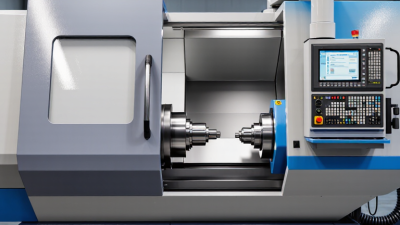
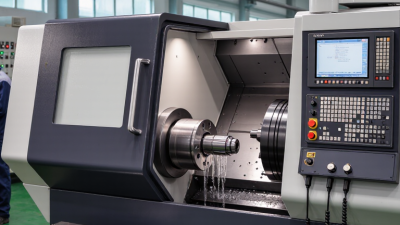
A CNC lathe shapes a workpiece by rotating it against a cutting tool. The chuck grips the material, while programmed movements guide the tool along one or more axes. The controller coordinates speed, position, and cutting sequence. That matters. A small setup error can leave a visible step or rough finish.

Lathe types are defined by more than size. Spindle orientation, axis count, workholding, and automation all affect how a machine handles a job. A horizontal lathe suits many shaft-like parts and allows chips to fall away from the cutting area. A vertical lathe supports heavy, wide workpieces on a horizontal table. Swiss-type machines feed slender stock through a guide bushing, helping support long, narrow parts during cutting. These categories can overlap, so labels alone do not tell the whole story.

Additional axes let tools approach a part from different directions, often reducing manual repositioning. Live tooling can add milling or drilling operations without moving the part to another machine. Useful, but not automatically better. Buyers should compare part dimensions, tolerances, batch sizes, and setup needs with the machine’s actual capacity. A bar feeder may help with repeat production, while complex automation can add setup demands that a smaller shop may not need. The right type depends on the work, and that judgment is sometimes less tidy than a specification sheet suggests.

Main CNC Lathe Configurations Available to Buyers in 2026

2026 Best Types of CNC Lathe Machines for Buyers

Main CNC Lathe Configurations Available to Buyers in 2026

Buyers can choose from several CNC lathe configurations, each suited to different part sizes and production needs. A two-axis horizontal lathe handles common turning work, such as shafts and bushings. Slant-bed designs often improve chip flow and provide easier access around the work area. For long, narrow components, Swiss-type machines support the stock close to the cutting zone. That can reduce deflection. Vertical lathes, by contrast, suit large, heavy parts that are awkward to mount horizontally. More axes can complete complex features in fewer setups, but they also add programming and setup demands. More capability is not always better.

Tips: Match the machine to your actual parts. Check maximum bar diameter, turning length, spindle speed, and tooling capacity. Ask for a cutting trial using a representative material and drawing. Small details matter.

Before comparing quotes, estimate daily volume and expected changeovers. A bar feeder may help with repeat work, while a sub-spindle can reduce handling between operations. Confirm that the floor can support the machine’s footprint, power needs, and chip-handling equipment. I would also leave room for uncertainty: forecasts change, and a machine chosen for one ideal part may struggle with the next job. Review service access and operator training alongside specifications.

Specialized CNC Lathe Types for Different Production Needs

CNC lathe selection should start with part geometry and production volume, not simply the number of axes. A two-axis slant-bed machine suits many turned components and supports efficient chip removal. For large, heavy parts, a vertical lathe can make loading more practical. Swiss-type machines support slender, small-diameter parts close to the cutting zone, making them useful for repeat bar-stock production. Fit matters.

When parts need milled features or several operations, a multi-axis turning center may reduce transfers between machines. That can improve consistency, but it also adds programming and tooling demands. For short runs or changing part families, simpler machines may be easier to set up and keep productive. More capability is not always better. A machine that sits idle between complex jobs is a costly mismatch.

Tips: Check the part’s maximum diameter, length, material, and tolerance requirements against the machine’s actual working capacity. Ask for a representative cycle-time estimate, and confirm what tooling and bar-feeding equipment it assumes. Review chip control, operator access, and changeover time too. These details are easy to overlook; I would revisit them before comparing purchase prices.

Key Features to Compare Across CNC Lathe Machines

2026 Best Types of CNC Lathe Machines for Buyers

Key Features to Compare Across CNC Lathe Machines

Choosing a CNC lathe starts with the parts you actually make. Compare swing over bed, maximum turning diameter, and distance between centers against your largest workpiece. A machine with extra capacity can be useful, but it may take more floor space and cost more to run. Check spindle speed and torque together: small aluminum parts often need higher speeds, while larger steel parts benefit from stronger low-speed torque. Tool capacity and live tooling also matter when parts need milling or cross-drilling. More options are not always better.

Look closely at repeatability, control usability, and chip handling during a shop visit. Ask to see a similar part cut, then inspect the surface and measure its critical features. Grand View Research estimated the global CNC machine market at USD 83.99 billion in 2023, with projected growth through 2030. That market figure is broad, not a lathe performance measure, but it reflects sustained investment in CNC equipment. A specification sheet alone will not show how smoothly a machine fits your workflow.

Tips: Request a sample cycle-time estimate using your material, tooling, and batch size. Confirm installation needs, service response, and the cost of common wear items. Small details matter. I would still leave room for uncertainty: real cycle times can differ once operators, tool changes, and chip buildup enter the picture.

How to Match a CNC Lathe Type to Your Shop’s Requirements

Match the lathe to the part, not just the machine’s advertised capacity. A two-axis slant-bed lathe suits many turned parts, such as steel shafts and sleeves, when jobs repeat and tooling needs to stay straightforward. For long, narrow components with small diameters, a Swiss-type lathe can support continuous cutting close to the guide bushing. Complex parts needing turning and milling may justify a mill-turn machine, but only if the extra capability will be used often. More axes can mean more setup and programming work.

Demand matters. Grand View Research’s CNC Machine Market Size, Share & Trends Analysis Report estimated the global market at USD 83.99 billion in 2023 and forecast growth through 2030. That broad market estimate is not a buying forecast for your shop. Compare your actual part mix: maximum diameter, bar length, material, tolerances, annual quantities, and available floor space. Ask for a test cut using a representative part. A spreadsheet can miss chip flow, awkward loading, or operator access. It happens.

Tips: Bring your three most common part drawings to the supplier. Check cycle time, changeover time, chuck or bar capacity, and service access. If jobs vary widely, flexibility may matter more than peak output. If most orders are identical, a simpler machine could be the better fit. Recheck the choice after estimating realistic utilization—not an optimistic shift schedule.

2026 Best Types of CNC Lathe Machines for Buyers — How to Match a CNC Lathe Type to Your Shop’s Requirements

Use this comparison as a selection guide. Typical capabilities vary with machine size, tooling, workholding, and configuration; confirm the required work envelope and specifications with the machine supplier.

CNC Lathe Type Typical Configuration Best-Suited Parts Main Advantages Key Considerations Good Fit for Your Shop When…
2-Axis Horizontal CNC Lathe Horizontal spindle with X- and Z-axis movement; commonly uses a chuck or collet and a tool turret. Rotational parts such as shafts, bushings, sleeves, pins, and turned fittings. Versatile turning capability; straightforward programming and operation; suitable for a broad range of job-shop work. Parts requiring extensive milling, angled holes, or multiple setups may need additional operations or live tooling. You need a general-purpose machine for common turning work and varied production quantities.
Slant-Bed CNC Lathe Horizontal turning machine with an inclined bed; often configured with a turret and automatic chip removal. Small- to medium-sized chucked components and repeat-production turned parts. Good chip evacuation; convenient access to the work area; widely used for production turning. Available part capacity depends on the specific bed and spindle configuration; verify chuck size and turning diameter. You want a production-oriented horizontal lathe with efficient chip handling and quick tool changes.
Flat-Bed CNC Lathe Horizontal spindle on a flat bed, commonly with a tailstock or steady rest for supporting longer workpieces. Long shafts, large-diameter work, repair parts, and components that need flexible support. Can accommodate a wide range of workholding and support arrangements; useful for long or heavy work when properly sized. Some configurations occupy more floor space and may require more manual setup than compact production machines. Your work includes long parts, one-off jobs, repair work, or frequent changes in workpiece size.
Vertical Turning Lathe (VTL) Workpiece is mounted on a horizontal table or chuck; the cutting head approaches from above, usually with vertical-axis travel. Large, heavy, short workpieces such as rings, discs, housings, and large flanges. Gravity helps seat heavy parts on the table; convenient loading and support for large-diameter components. Requires suitable lifting and loading arrangements; check table diameter, load capacity, and maximum work height. You regularly machine large or heavy parts that are awkward to hold on a horizontal lathe.
Swiss-Type CNC Lathe Bar stock feeds through a guide bushing close to the cutting tools; machines commonly combine turning with cross-working tools. Long, slender, small-diameter precision parts such as pins, connectors, fasteners, and medical or electronic components. Close workpiece support helps control deflection; can perform multiple operations efficiently from bar stock. Best suited to compatible bar-fed work; setup, tooling, and programming are more specialized than on a basic 2-axis lathe. You make high volumes of small, slender parts and can benefit from bar feeding and combined operations.
CNC Mill-Turn Center Turning spindle combined with live tooling and, depending on configuration, a Y-axis, sub-spindle, or additional rotary axis. Complex components that require turning plus milling, drilling, tapping, or off-center features. Can reduce separate machine operations and workpiece transfers; supports machining multiple features in one setup. Higher purchase and programming complexity; ensure the axis configuration and tool capacity match the actual part mix. You want to consolidate turning and milling operations and have work that justifies the added capability.
Twin-Spindle or Sub-Spindle CNC Lathe Primary spindle transfers or hands off the part to a second spindle for machining the opposite end; may include one or more turrets. Components requiring front- and back-side machining, including turned parts with features on both ends. Can complete both ends in one machine cycle and reduce manual re-chucking between operations. Cycle-time gains depend on balanced operations; programming, synchronization, and tooling setup are more involved. You repeatedly produce parts that need machining on both ends and want to reduce handling between operations.
Gang-Tool CNC Lathe Multiple tools are mounted in a row on a slide rather than in a conventional indexing turret; often used with a collet. Small, simple, repeatable components produced from bar stock. Compact layout and short tool-change movements can support efficient production of suitable parts. Tool capacity and flexibility may be limited for complex parts or frequent changes in the operation sequence. Your production mix is stable and consists mainly of small parts with a relatively simple set of operations.
Scroll to Top