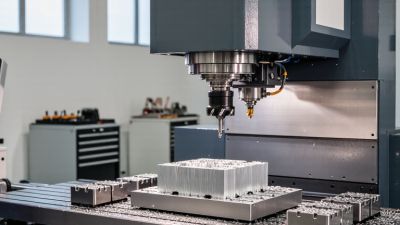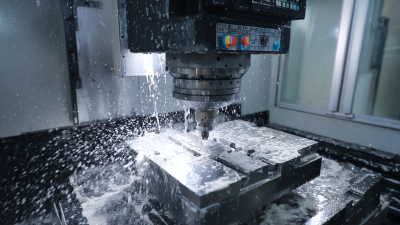
Choosing the best CNC machine tools in China starts with the workpiece, not the brochure. A shop cutting aluminum housings has different needs from one machining hardened steel molds. Spindle speed, torque, travel, tool capacity, and control compatibility all affect daily output. So does the factory’s ability to deliver spare parts and technical support. There is no single machine that fits every buyer.
Yoram Koren, a manufacturing-systems expert, described reconfigurable systems as “designed at the outset for rapid change in structure.” That principle matters when a production line must adapt to new parts or changing volumes. For CNC machine tools, buyers can apply it by checking upgrade options, control features, and tooling flexibility before placing an order. Ask suppliers for machining samples, acceptance-test details, and references from customers with similar applications. Then compare cycle time and surface finish against your own requirements, not just a demonstration part. Details matter.
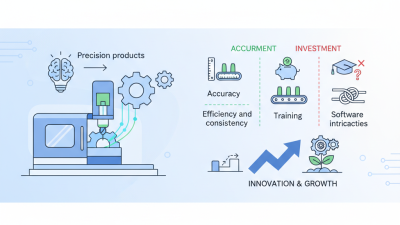
This guide will compare machine types, manufacturers, and practical buying criteria across China’s CNC market. It will also consider accuracy, build quality, service coverage, and total ownership costs. A low purchase price can look attractive, but downtime can erase the savings. Still, supplier claims deserve scrutiny. A polished showroom is not a production test. Inspect the machine, review the documentation, and confirm what support is available after delivery. No checklist removes every risk, but a careful comparison makes the choice more dependable.
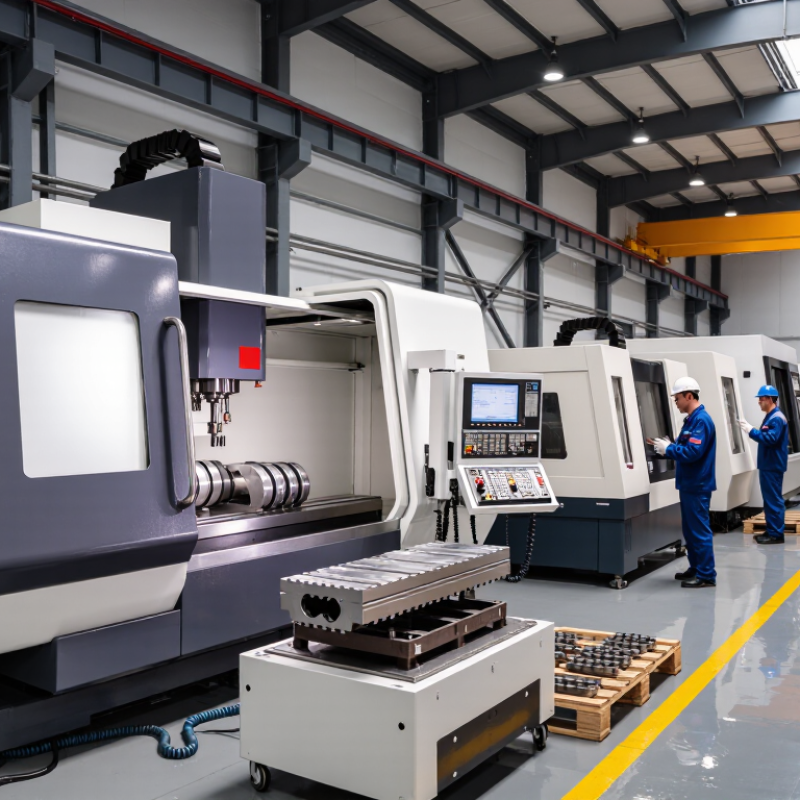
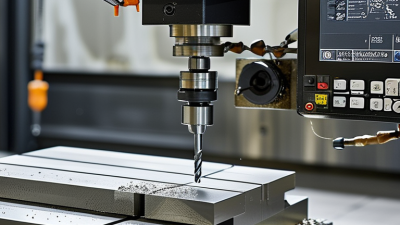
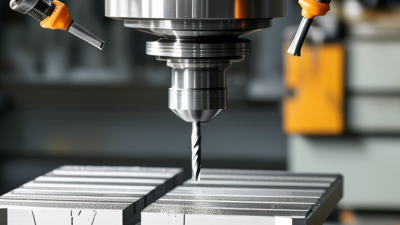
CNC machine tools shape material through controlled movement and cutting. A milling machine spins a cutter against a fixed workpiece, while a lathe rotates the workpiece against a cutting tool. The machine’s controller reads programmed instructions and coordinates movement along several axes. Motors move the table, spindle, or tool to follow the programmed path. Small steps matter.
A typical job begins with a digital part drawing and a toolpath created in manufacturing software. The operator secures stock in a vise or chuck, selects a cutter, and checks the setup. During cutting, the spindle turns at a set speed while coolant may carry away heat and chips. In practice, the result depends on more than code: tool wear, loose fixtures, and incorrect offsets can all affect dimensions. A smooth simulation can still hide a poor setup. That is worth remembering.
What Are the Best CNC Machine Tools in China?
How to Evaluate CNC Machine Tools Made in China
The best choice depends on the part, material, tolerance, and production volume—not country of origin alone. Check the machine’s positioning accuracy, repeatability, spindle runout, and thermal stability. Ask for test records referencing ISO 230-2 for axis positioning and ISO 230-3 for thermal effects. A brochure is not proof. Request a sample cut in your material, then measure it with calibrated equipment. Watch for drift after the spindle warms up.
China’s manufacturing scale provides useful context, but it cannot certify an individual machine. The International Federation of Robotics reported 276,288 industrial robot installations in China in 2023, about 51% of global installations (World Robotics 2024). That figure reflects a large automation ecosystem, not CNC accuracy or reliability. Check what the supplier’s warranty covers, how quickly common spare parts can be delivered, and whether local technicians can diagnose faults. I would also ask to speak with a long-term user; this step is easy to skip, and I wouldn’t.
Tips: Bring a real production drawing to the factory trial. Run the machine under realistic cutting conditions, inspect the finished part, and record cycle time, surface finish, and tool wear. Compare results with your own acceptance criteria, not just the supplier’s demonstration.
Suggested evaluation weights for comparing machines across manufacturers
These suggested weights are a comparison framework, not measured ratings of machines or manufacturers. Verify accuracy and repeatability, machine capability, reliability, control compatibility, local service and spare-parts support, and total lifecycle cost against your production requirements.
China’s leading CNC machine tool manufacturers cover machining centers, turning systems, grinders, and precision components. The China Machine Tool & Tool Builders’ Association reported industry operating revenue of about RMB 1.09 trillion in 2023. This broad figure includes more than CNC equipment, so it is not a measure of CNC sales. Numbers need context.
Manufacturers with deeper engineering capabilities often develop machine structures, control integration, spindle systems, and automation together. The International Federation of Robotics’ World Robotics 2024 reports that China installed 276,288 industrial robots in 2023, about 51% of global installations. This installed base supports demand for automation-ready machines, but it does not prove a supplier’s accuracy or reliability. That matters.
Buyers should compare tested positioning accuracy, thermal stability, service response, and spare-parts availability. Ask for test records from machines similar to your intended production setup. A showroom cut can look excellent; long shifts may reveal vibration or heat-related drift. Ask for proof. Some specifications are hard to compare directly, and that deserves scrutiny. A site visit and a sample run on your own material can expose practical gaps before purchase.
The best CNC machine depends on the part, material, and production volume—not simply its advertised speed. A three-axis milling machine suits flat faces, pockets, and drilled patterns in metal components. For complex contours, a four- or five-axis model can reduce repositioning and keep features aligned. That saves setup time.
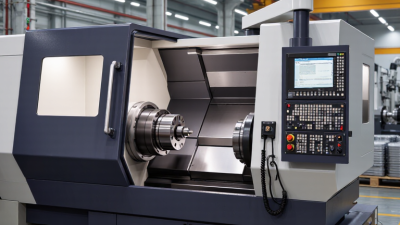
Turning centers are built for shafts, pins, and other round parts. A CNC router handles large panels and softer materials, while grinding machines refine surfaces where tight finish requirements matter. Electrical discharge machining can produce fine features in hard conductive metals, though it may be slower than cutting tools. Match the process to the job.
In Chinese industrial settings, available machine configurations range from compact workshop units to production lines with automated loading. Compare spindle power, axis travel, rigidity, control functions, and local technical support against the actual workpiece. For a steel housing, for example, a rigid mill and suitable coolant may matter more than maximum spindle speed. A neat specification sheet can still hide awkward setup time. I would request a sample cut and inspect its dimensions, surface, and cycle time before committing. Real parts reveal gaps that brochures do not.
Choosing a CNC machine tool starts with the part, not the catalogue. List the largest workpiece, materials, tolerances, and monthly production volume. Measure the real part. A compact machining center may suit aluminum housings, while long shafts may need turning capacity and steady support. Check the working envelope against actual fixtures, not just the machine’s advertised travel. Ask for cutting tests using your material and tools; published accuracy figures can change with temperature, setup, and maintenance. Small details matter.
Then compare spindle speed and torque with your cutting process. Tough alloys often need torque at lower speeds; small cutters may need higher speeds. Review tool capacity, chip evacuation, probing, and control compatibility with your operators’ skills. Service response and spare-parts access matter when a spindle stops mid-shift. IFR’s World Robotics 2024 report records 276,288 industrial robot installations in China in 2023, about 51% of global installations. This is not a CNC sales figure, but it signals why robot interfaces and automation readiness deserve attention. Still, a robot-ready machine can be unnecessary cost for short runs. There is no perfect shortlist; that part is easy to underestimate. Request a timed sample cycle, inspect the finished surface, and calculate cost per acceptable part.
| CNC Machine Type | Best Suited For | Typical Configuration or Capability | Key Selection Checks | Main Advantages | Potential Trade-Offs |
|---|---|---|---|---|---|
| Vertical Machining Center (3-axis) | Prismatic parts, plates, brackets, molds, and general-purpose milling. | Three linear axes; commonly equipped with an automatic tool changer. Work envelopes range from compact machines for small parts to large-table machines for sizable components. | Check table size and load, spindle speed and taper, tool capacity, axis travel, workholding, and whether the machine can handle the required materials and cutting forces. | Versatile, widely available, and relatively straightforward to operate and maintain. | Parts needing machining on several faces may require extra setups, increasing handling time and alignment risk. |
| Horizontal Machining Center | Box-shaped components, housings, and production runs requiring machining on multiple faces. | Horizontal spindle, often paired with a rotary pallet or indexing table; pallet and tool-storage options vary by configuration. | Assess pallet size, indexing capability, workpiece access, chip evacuation, automation needs, and the floor space required for the complete system. | Can improve multi-face access and support efficient production with palletized workholding. | Typically requires more floor space and a larger investment than a basic vertical machine. |
| 5-Axis Machining Center | Complex contours, impellers, aerospace-style components, medical parts, and parts with angled features. | Three linear axes plus two rotary axes; configurations include trunnion-table and swivel-head designs. | Compare rotary-axis range, workpiece and fixture clearance, simultaneous-axis requirements, control functions, probing, and postprocessor support. | Can machine multiple sides or complex surfaces in fewer setups, improving access and reducing refixturing. | Programming, workholding, training, and collision management are more demanding than on a 3-axis machine. |
| CNC Lathe or Turning Center | Shafts, pins, bushings, threaded parts, and other rotational components. | Rotating spindle with one or more linear tool axes; chuck size, bar capacity, and live tooling are configuration-dependent. | Check maximum turning diameter and length, bar capacity, spindle bore, chucking method, tailstock needs, and whether milling operations require live tooling. | Efficient for repeatable production of round parts and turning operations. | Not suitable as a standalone solution for parts dominated by complex prismatic milling features. |
| Mill-Turn Center | Parts combining turning with cross-drilled holes, flats, slots, or other milled features. | Turning spindle with milling capability; some configurations include a sub-spindle, Y-axis, or additional tool turrets. | Confirm the required axis configuration, live-tool power, sub-spindle transfer needs, part-length capacity, and programming compatibility. | Combines multiple operations in one setup and can reduce transfers between separate machines. | More complex equipment and programming may be unnecessary for parts that need only basic turning. |
| CNC Surface or Cylindrical Grinder | Parts requiring controlled finishing, flatness, cylindrical form, or a fine surface finish. | Grinding wheel and workholding configuration depend on whether the process is surface, internal, or cylindrical grinding. | Specify the grinding process, part geometry, material, required finish and tolerances, wheel-dressing method, and coolant or filtration requirements. | Designed for finishing operations where conventional milling or turning may not meet the process requirement. | Usually serves a specialized finishing role rather than replacing a general-purpose cutting machine. |
| Wire-Cut EDM | Conductive materials, intricate profiles, narrow slots, and hardened parts that are difficult to cut conventionally. | Uses a moving wire electrode and electrical discharge; workpiece thickness, wire size, and flushing method affect process capability. | Check material conductivity, workpiece thickness, required corner geometry, surface-finish needs, dielectric system, and wire-consumable costs. | Can produce intricate profiles in hard conductive materials without conventional cutting forces. | Only works on electrically conductive materials and is generally slower than milling for material removal. |
| Selection note: No single machine type is best for every job. Capability and specifications vary by configuration. Compare machines using your actual part drawings, materials, tolerances, production volume, tooling plan, service requirements, and total operating cost. | |||||